FENDI HAUTE COUTURE: THE DESIRE AND SARTORIAL FREEDOM OF MARIA GRAZIA CHIURI
The Walk

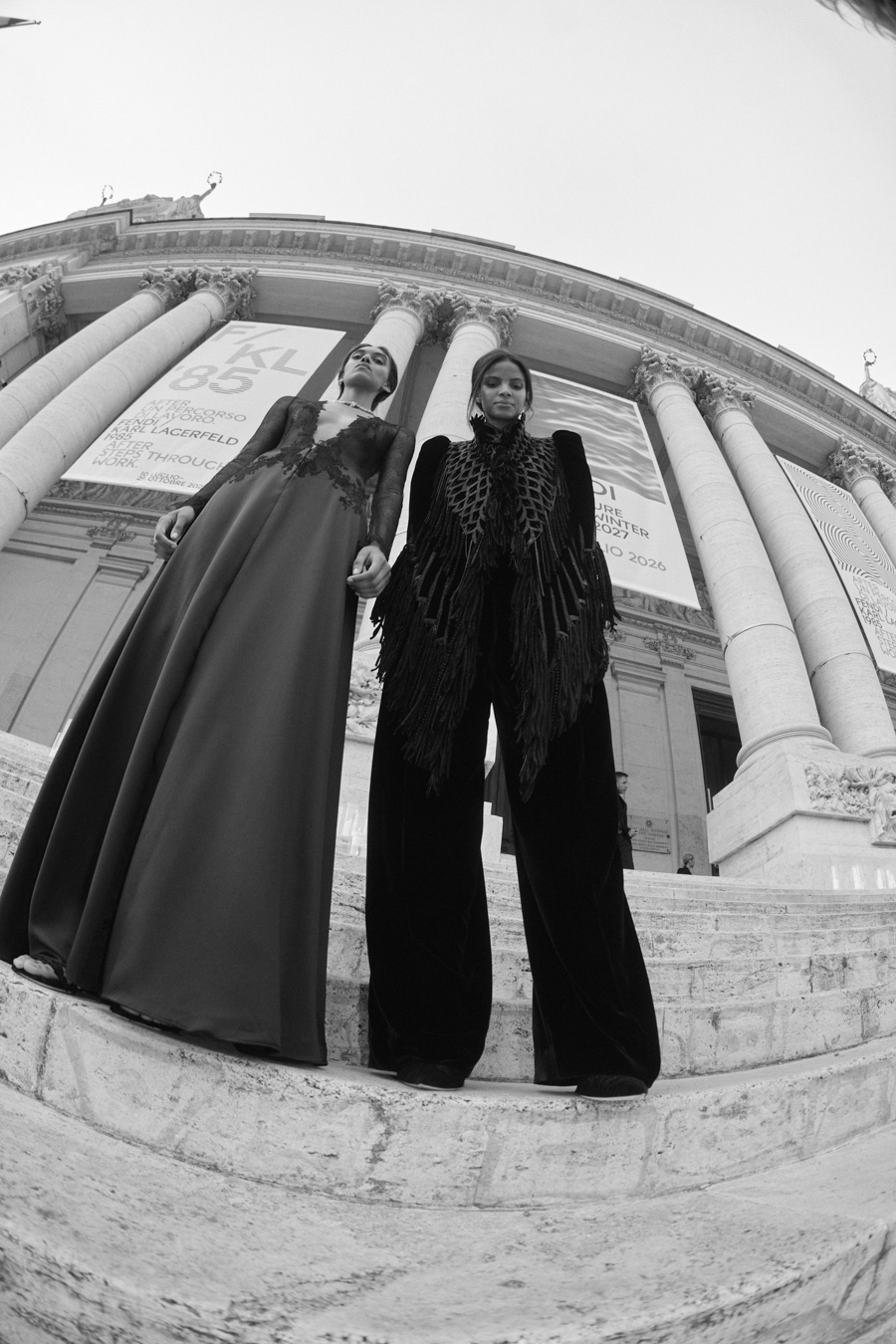
In her highly anticipated debut Haute Couture collection for the maison FENDI, Maria Grazia Chiuri invites us into a profound reflection where fashion transcends mere fabric to become a celebration of our own anatomy. Her starting point is as universal as it is powerful: the desire of which our bodies are made. Far from conceiving garments as superficial adornments, Chiuri transforms them into design strategies that restore value to the human body, understanding it as living matter, loaded with feelings, intentions, and attitudes. By reinterpreting the notion of desire, the designer infuses it with sensuality, eroticism, freedom, and, ultimately, pleasure.
This vision finds its visual echo in an innocent, malice-free freedom, inspired by the young woman wandering through 1970s Rome in Histoire d’eau. That short film, directed by Jacques De Bascher and commissioned by Karl Lagerfeld for FENDI's prêt-à-porter debut in 1977 as an ironic nod to Histoire d’O, serves as the perfect prelude to a collection that breathes cinematic history and modern audacity.
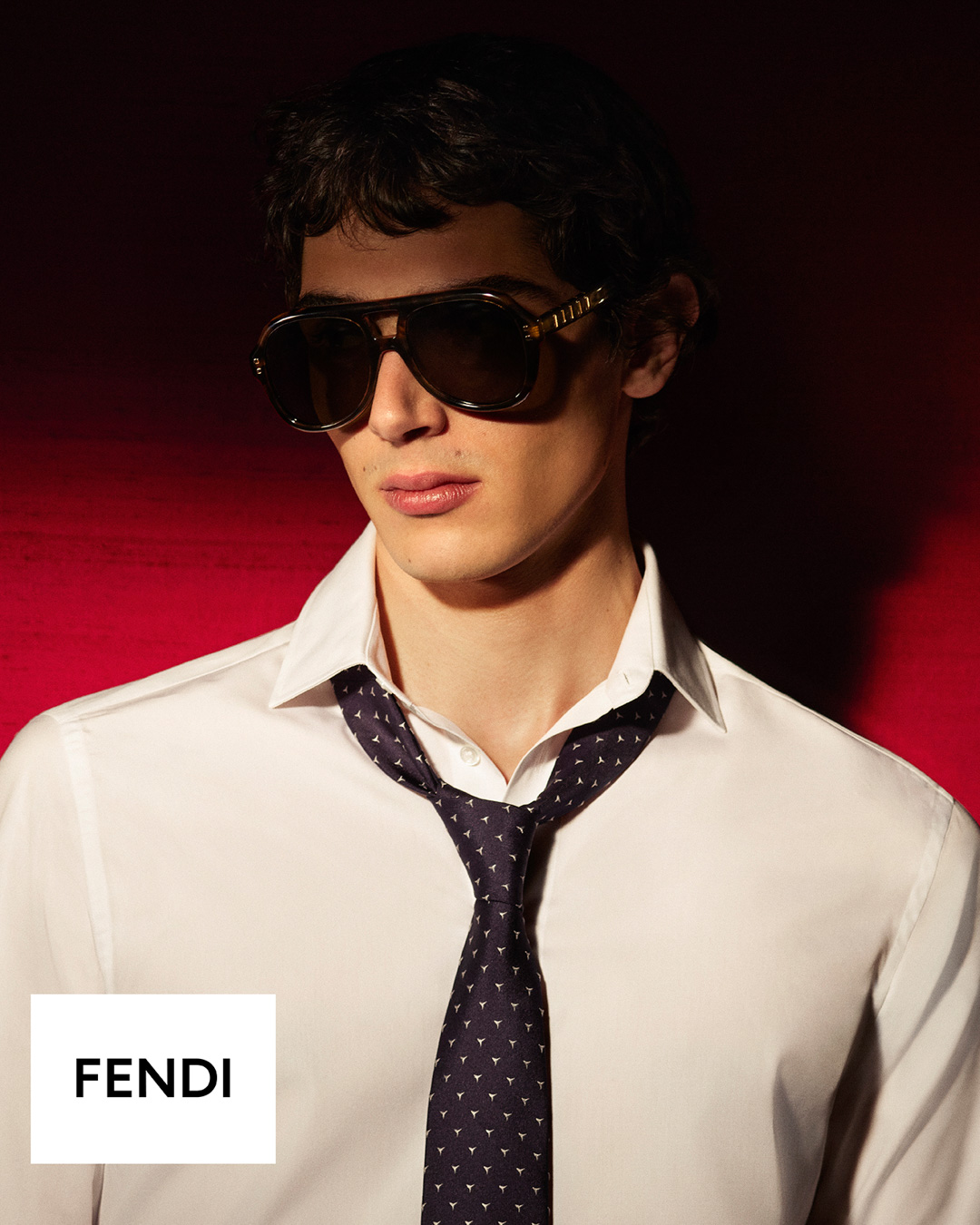
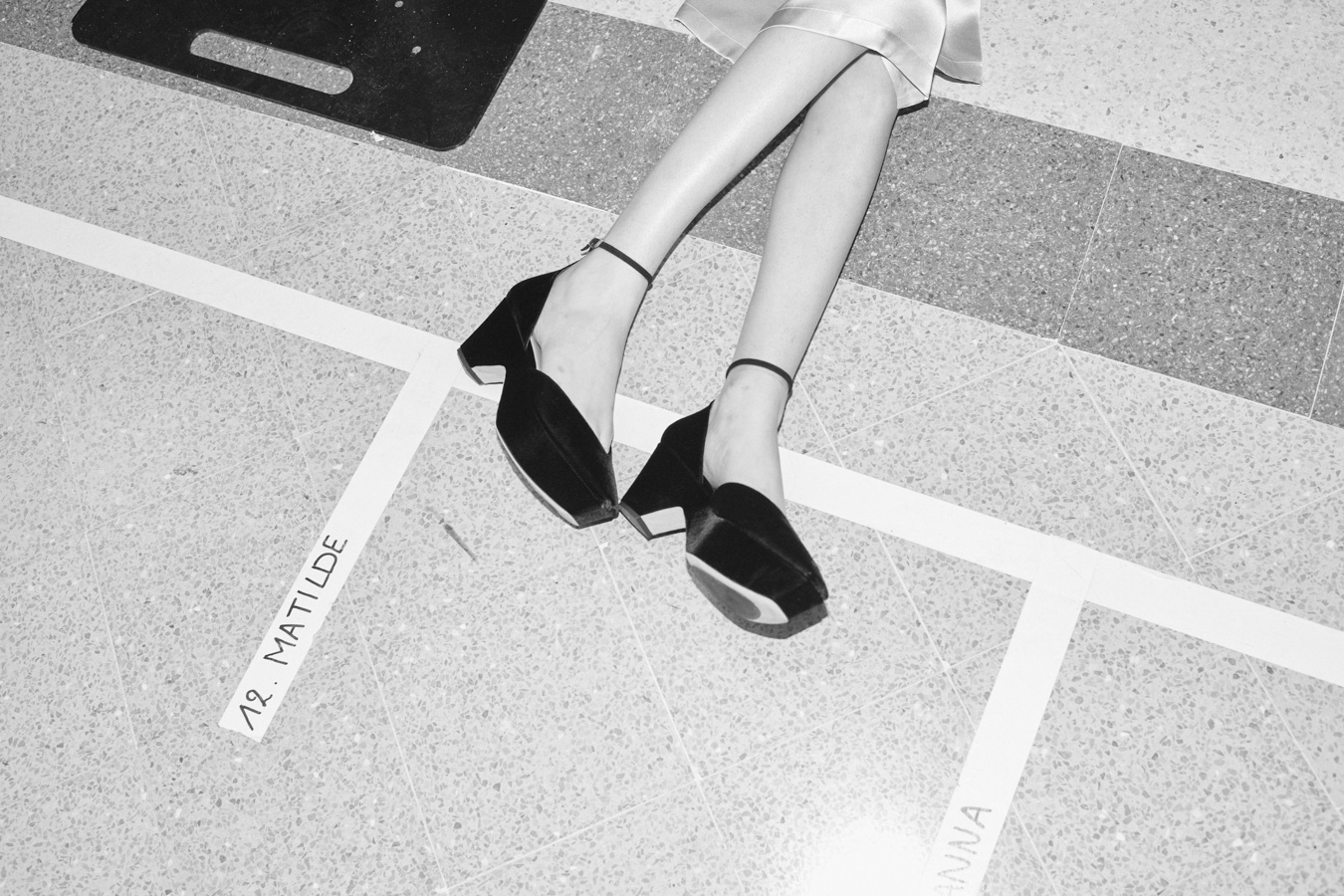
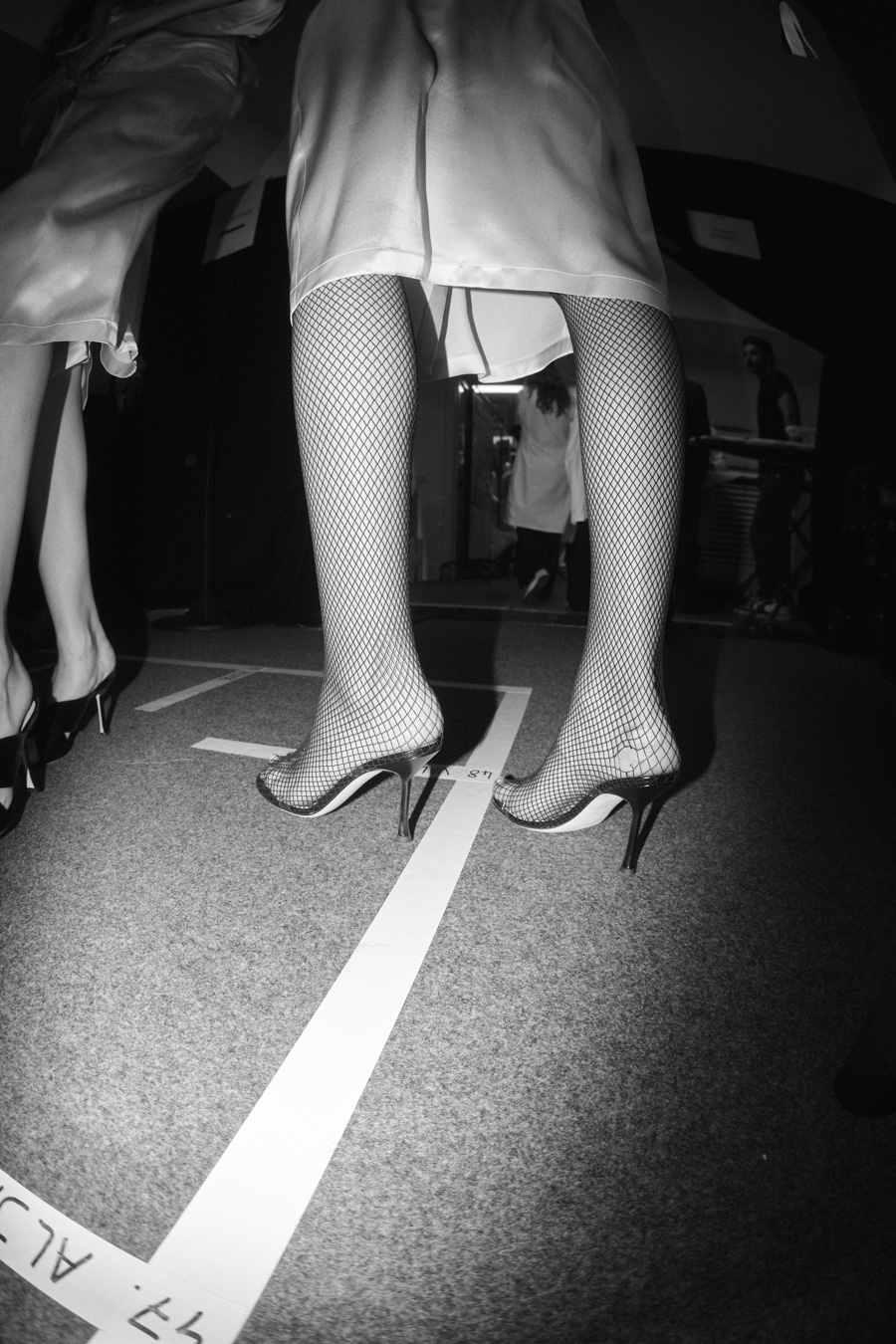
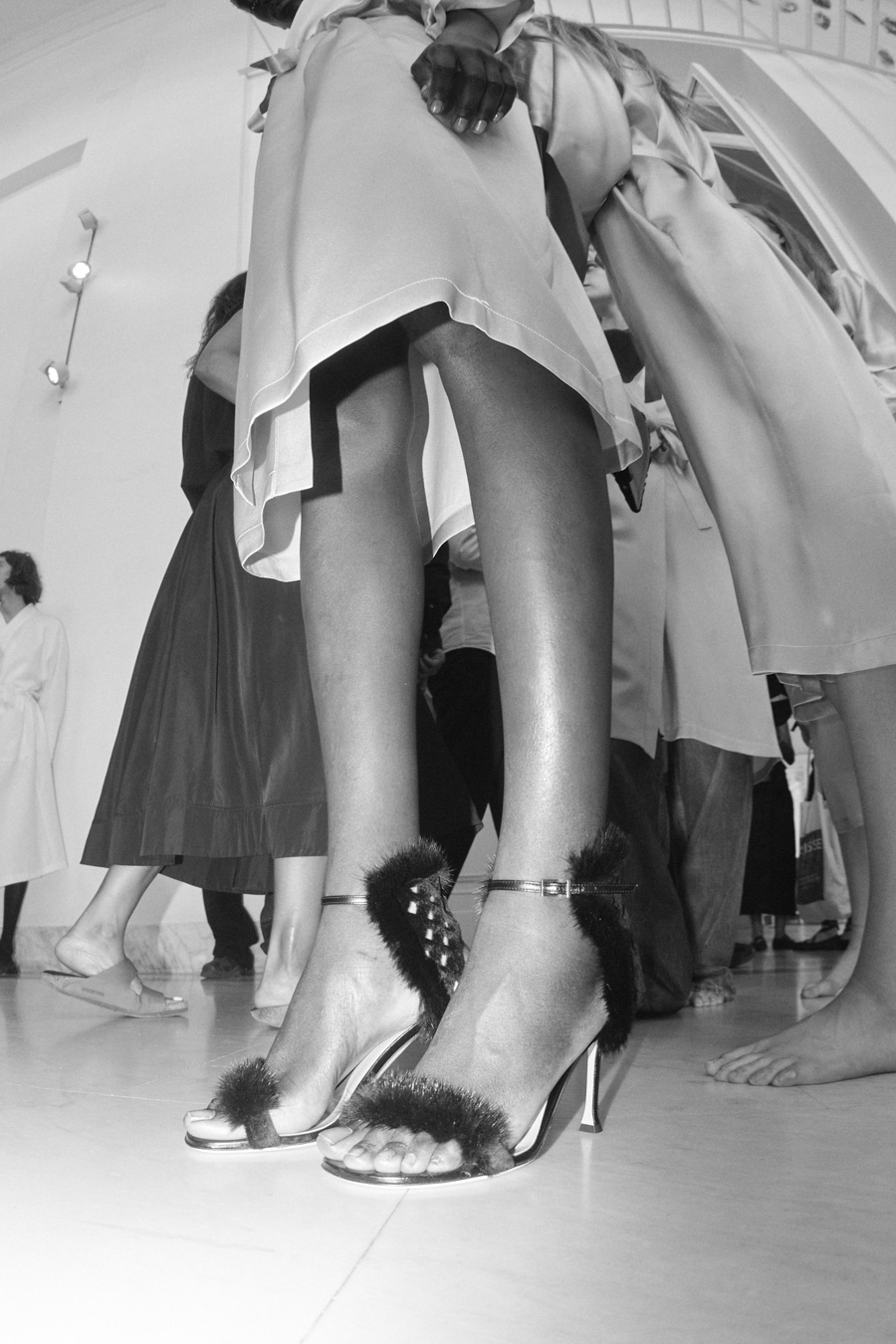
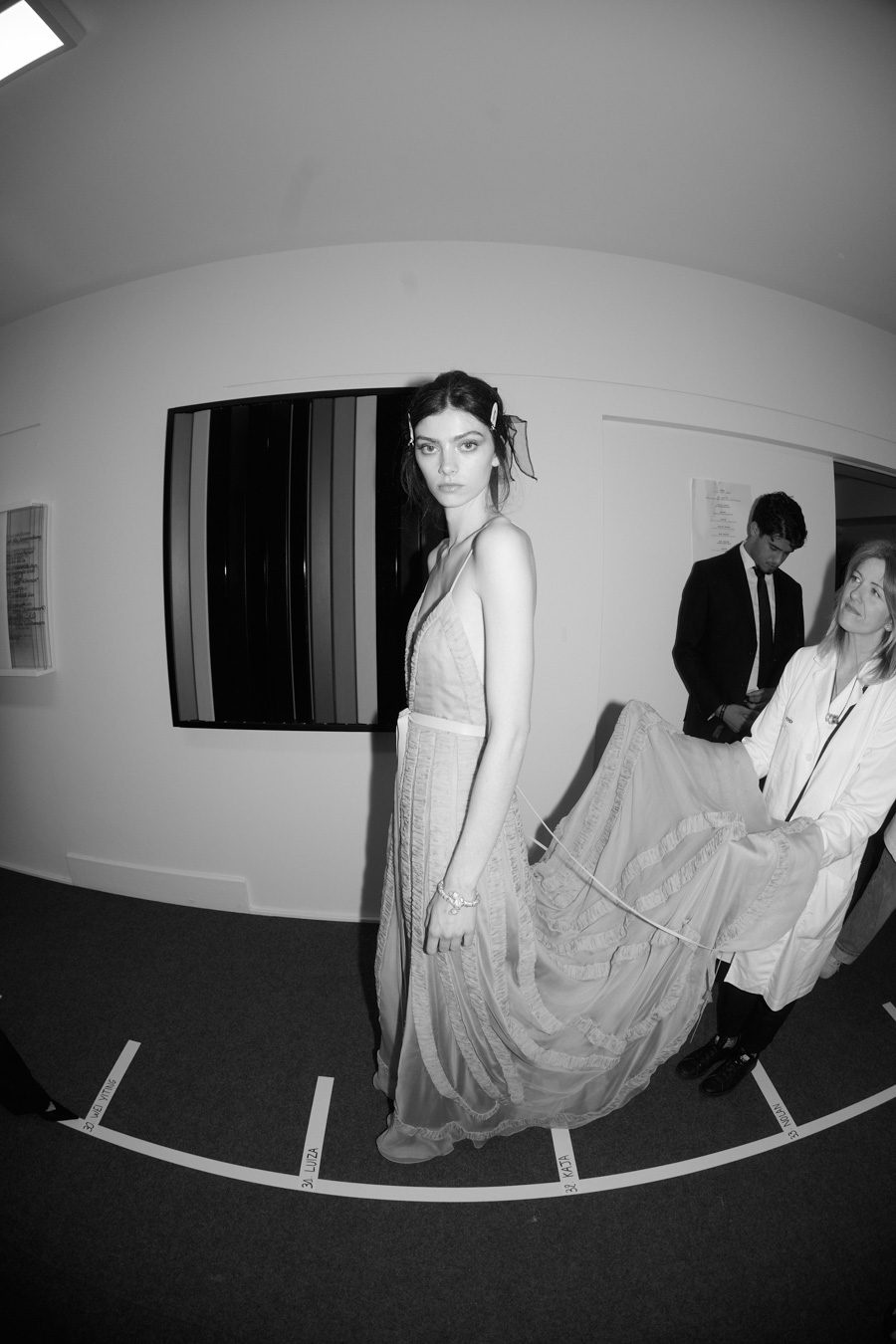
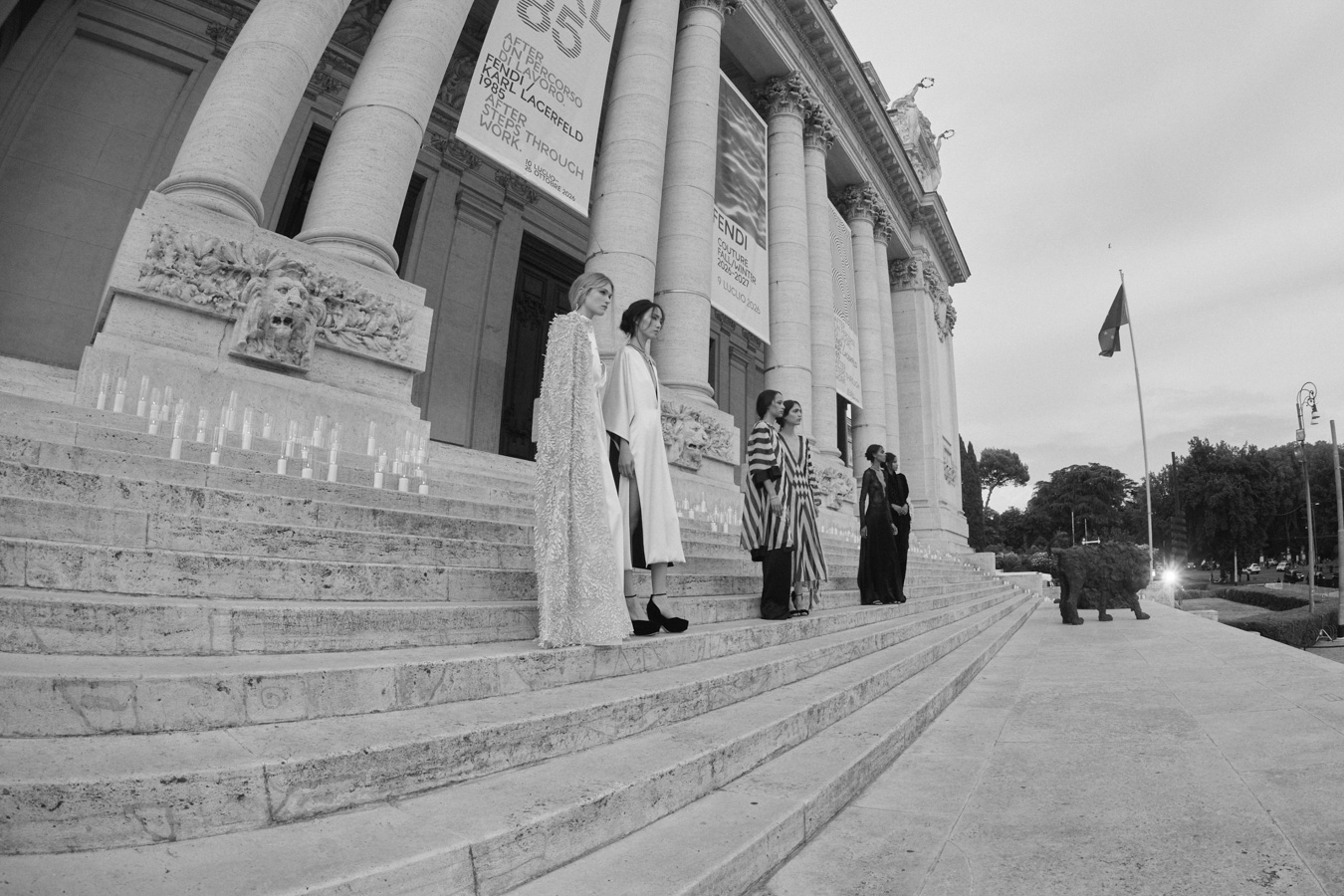
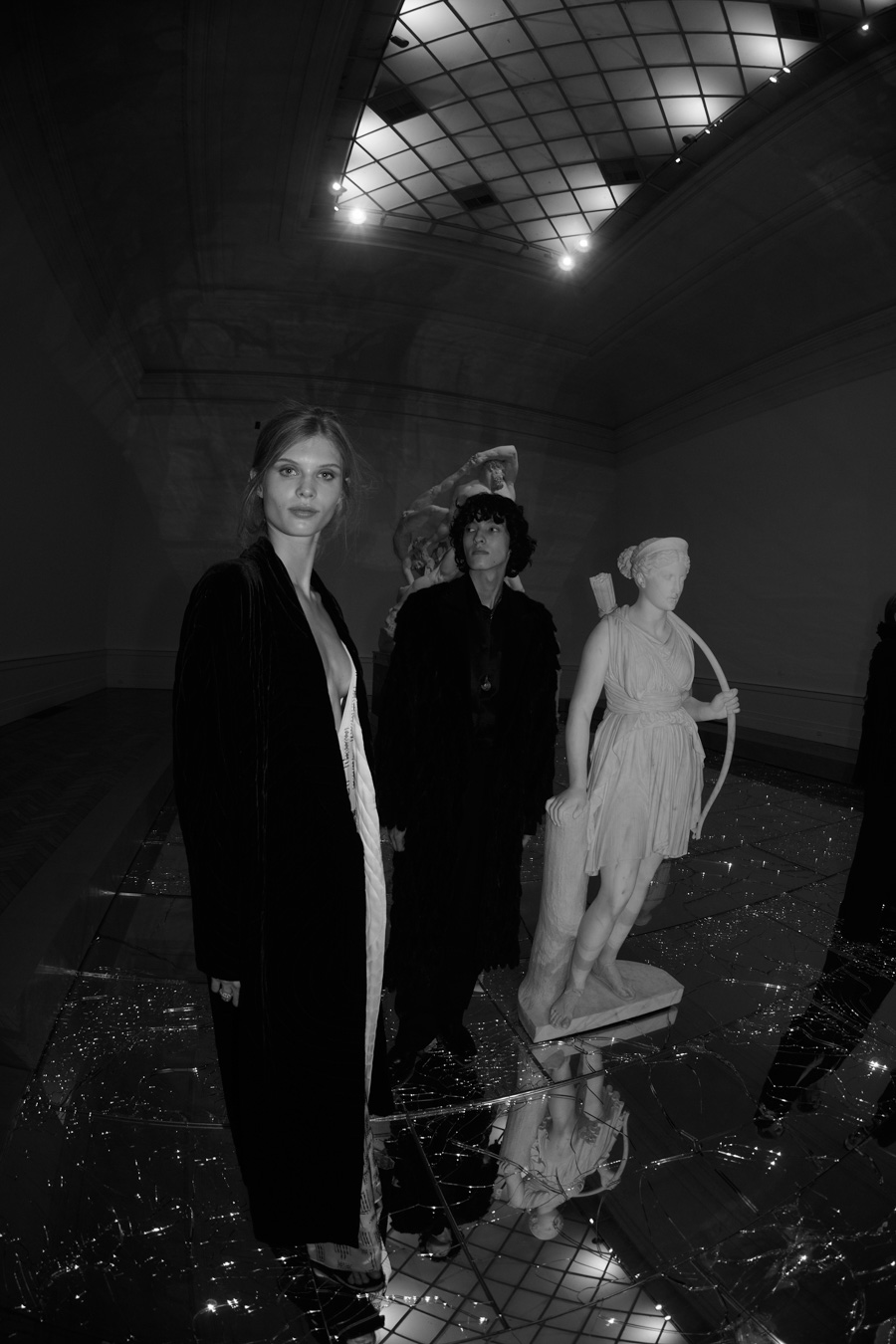
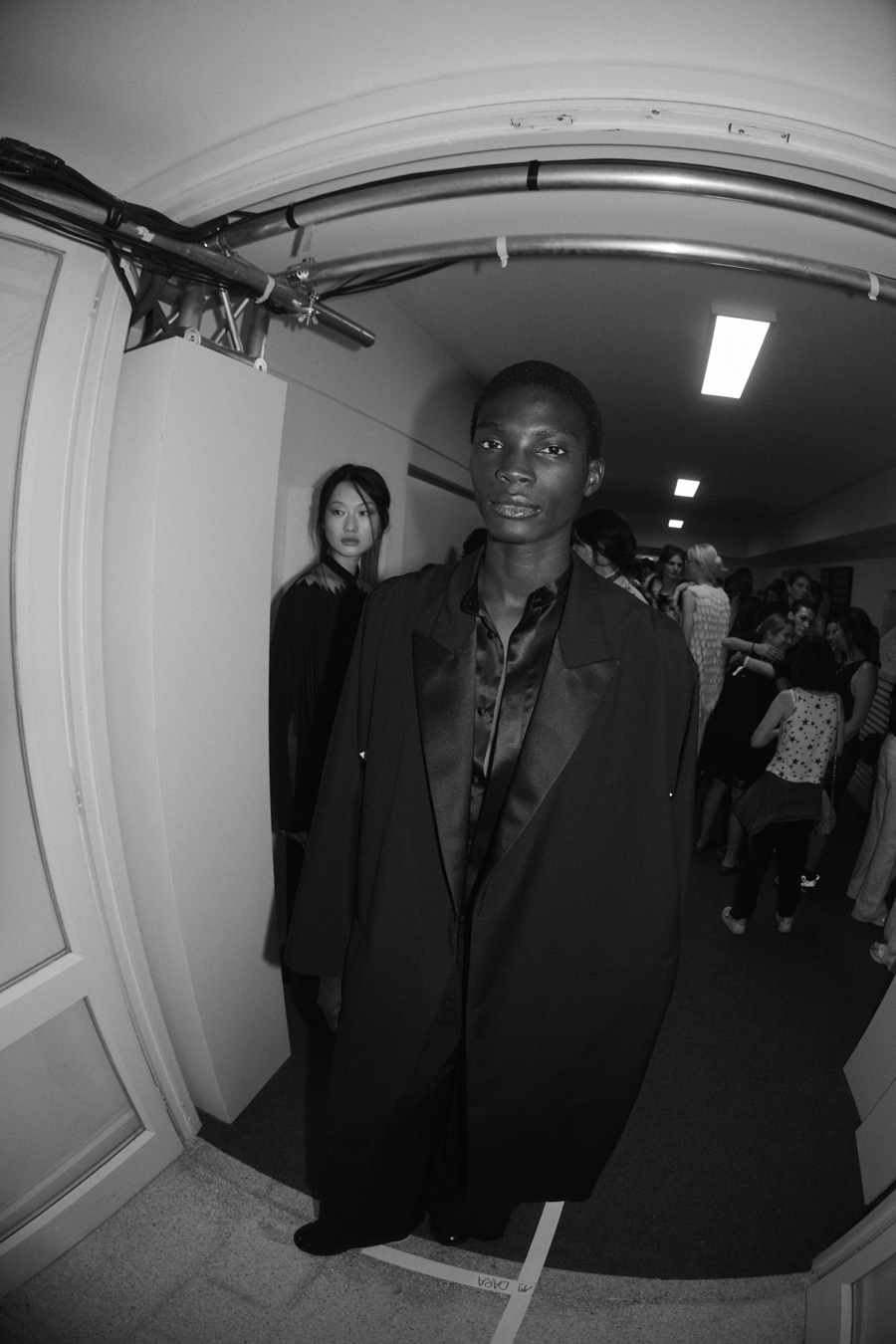
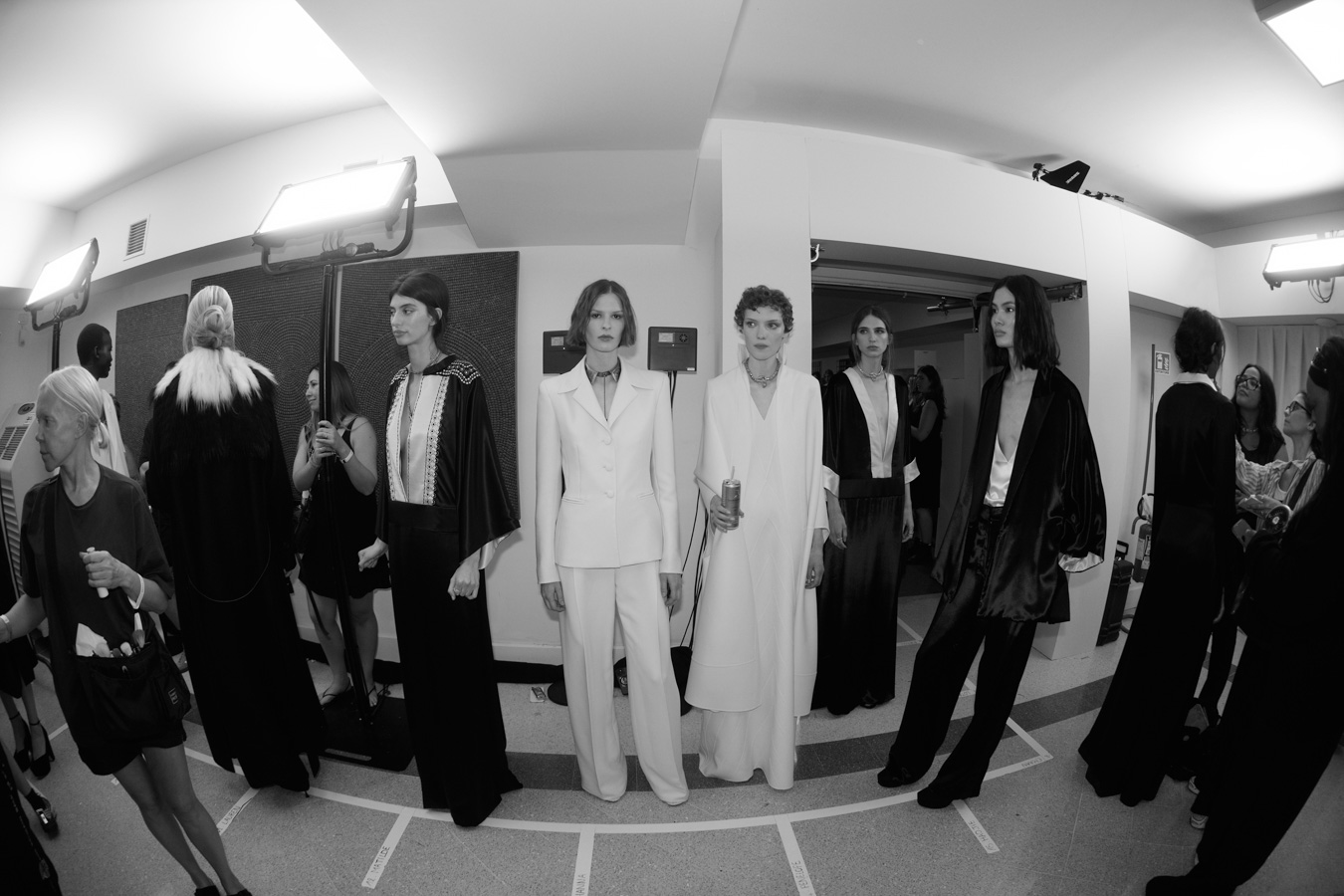
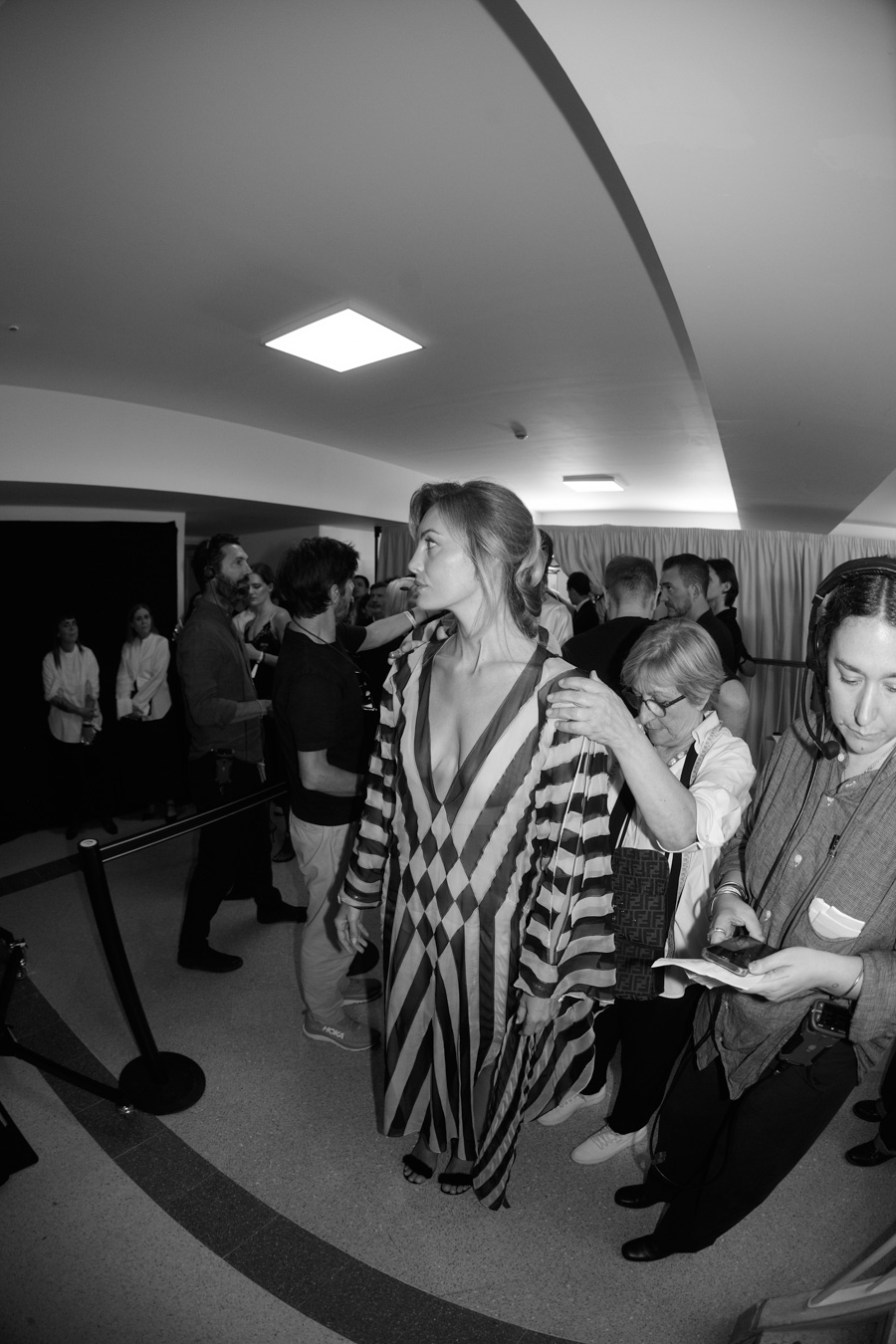
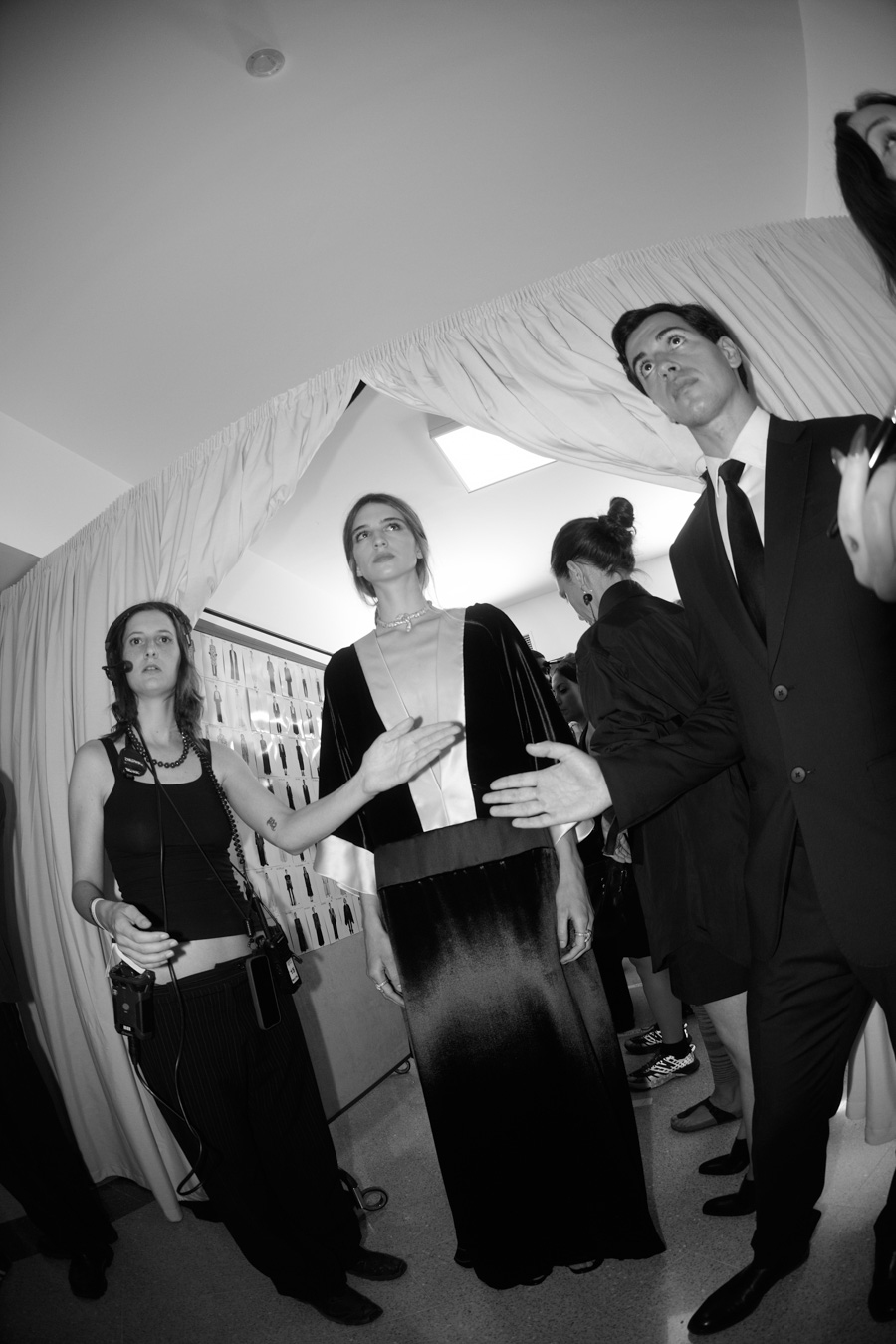
Chiuri's proposal is a total surrender to the human physiognomy through pieces that reject any physical imposition, opting instead to move to the rhythm of the wearer's gestures. These are garments that do not restrict, but rather glide over and caress the skin, materialized in lightweight silhouettes like chiffons adorned with black and white striped appliqués. The kimono, present in jackets and coats for both men and women, stands as the flagship of a fluid way of dressing, crafted in rich textures such as velvet and grain de poudre. It is a declaration of intent that banishes the corset, managing to masterfully structure and define the figure guided solely by the organic use of draping.
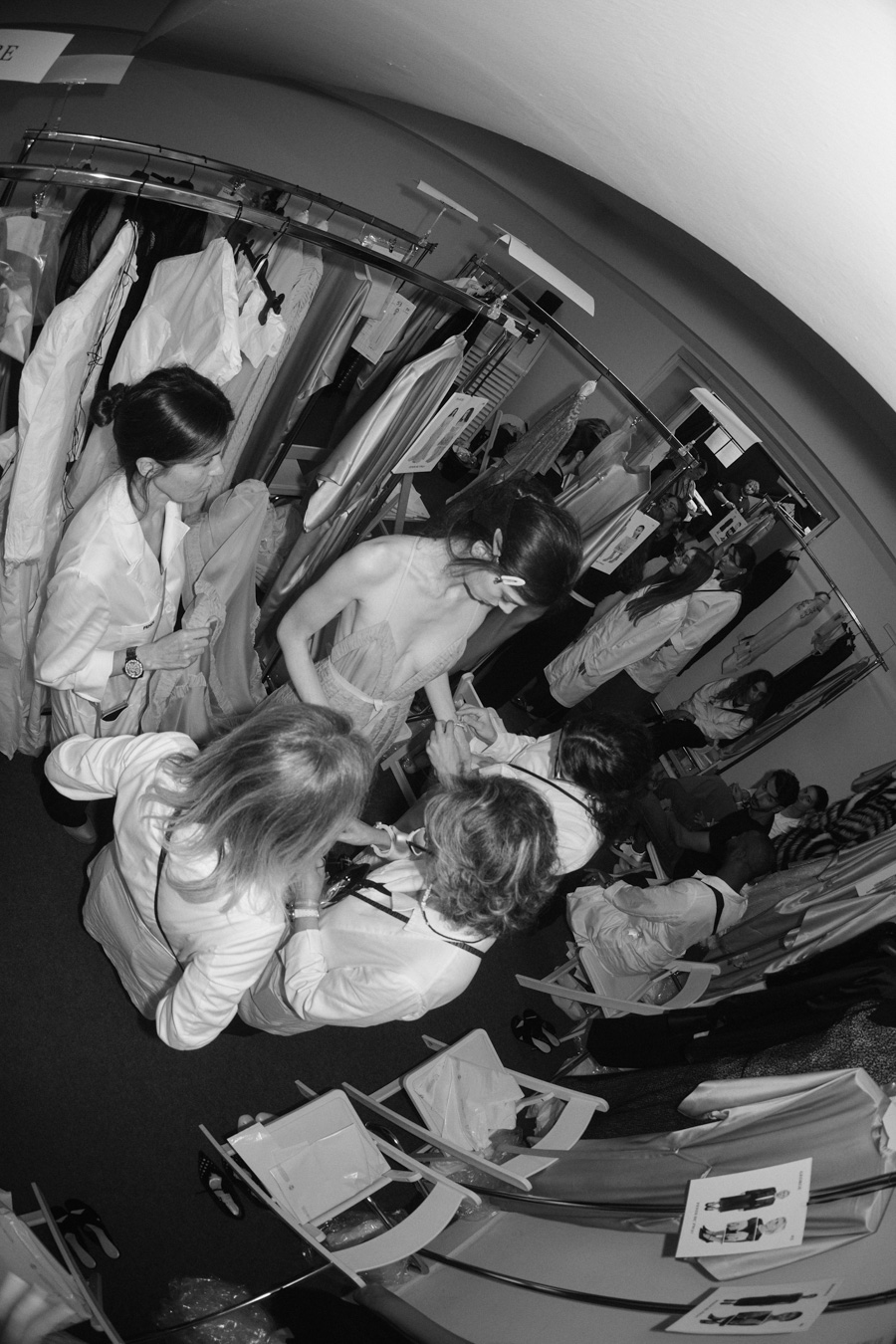
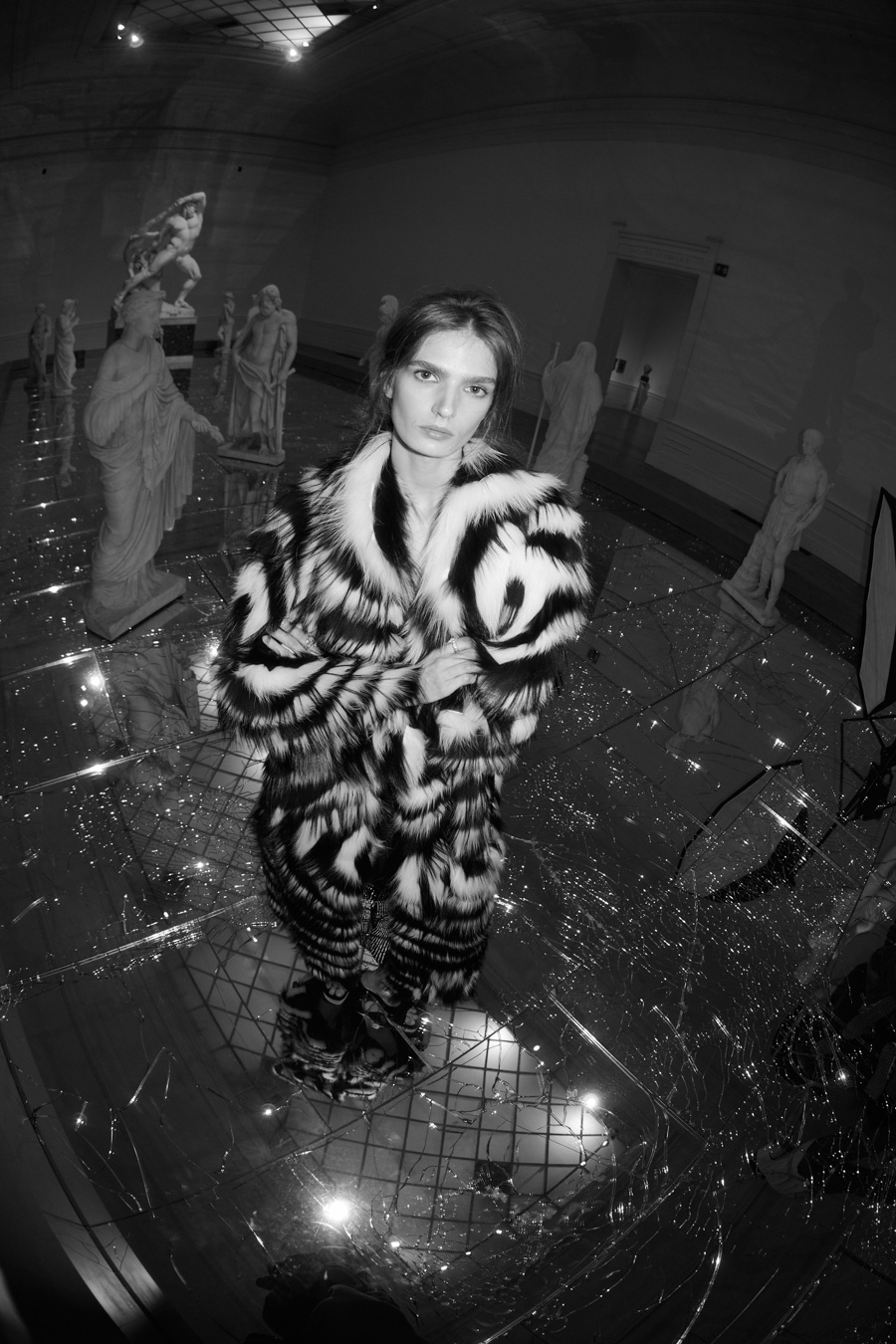
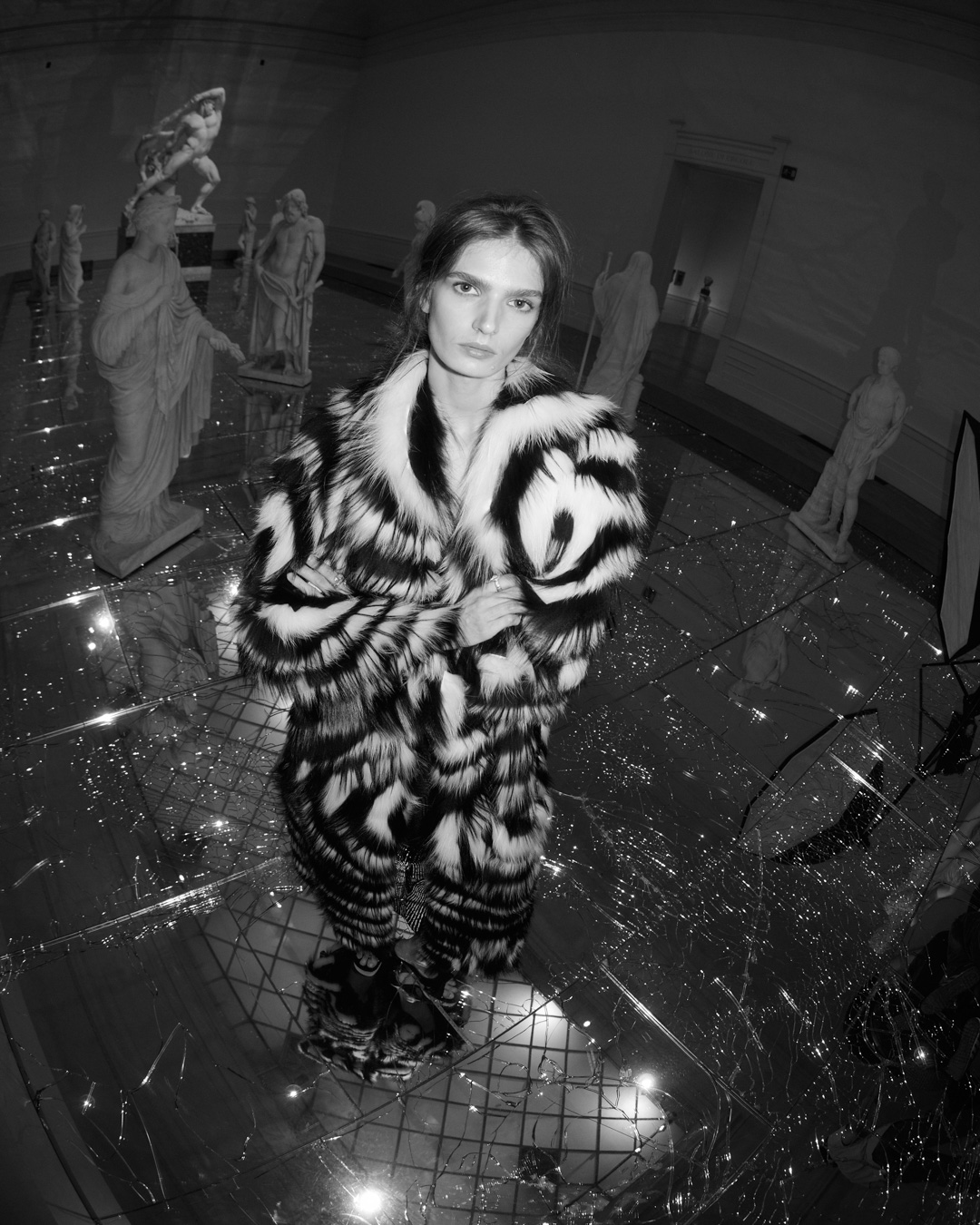
The true heart of this collection beats in the constant dialogue between the different FENDI ateliers, conceived by the designer as living organisms. In this collaborative space where magic intersects with scientific precision, materials undergo astonishing transmutations through a meticulous process of subtraction. Thus, fur becomes feather to give life to a "Venus in fur" stepping forward with a playful spirit. Tulle acts as a canvas for cloaks and capes outlined by arabesques that mutate into leaves and flowers. Over masculine shoulders, these garments act as shelters where the variety of furs evokes the delicacy of butterflies, while leather traces intricate, tactile labyrinths over a striking double-faced white cashmere coat.
With this work, Maria Grazia Chiuri embraces her role through a broad and liberating vision. She firmly proves that Haute Couture, far from being a static relic, stands as the most contemporary form of sartorial experimentation. Her proposal is, at its core, a dialogue that deeply listens to the bodies and minds that, as infinitely desiring creatures, inhabit and breathe life into fashion.