THE MASTER CONDUCTOR RETURNS: AUDEMARS PIGUET AND THE ATELIER DES ÉTABLISSEURS
The Walk
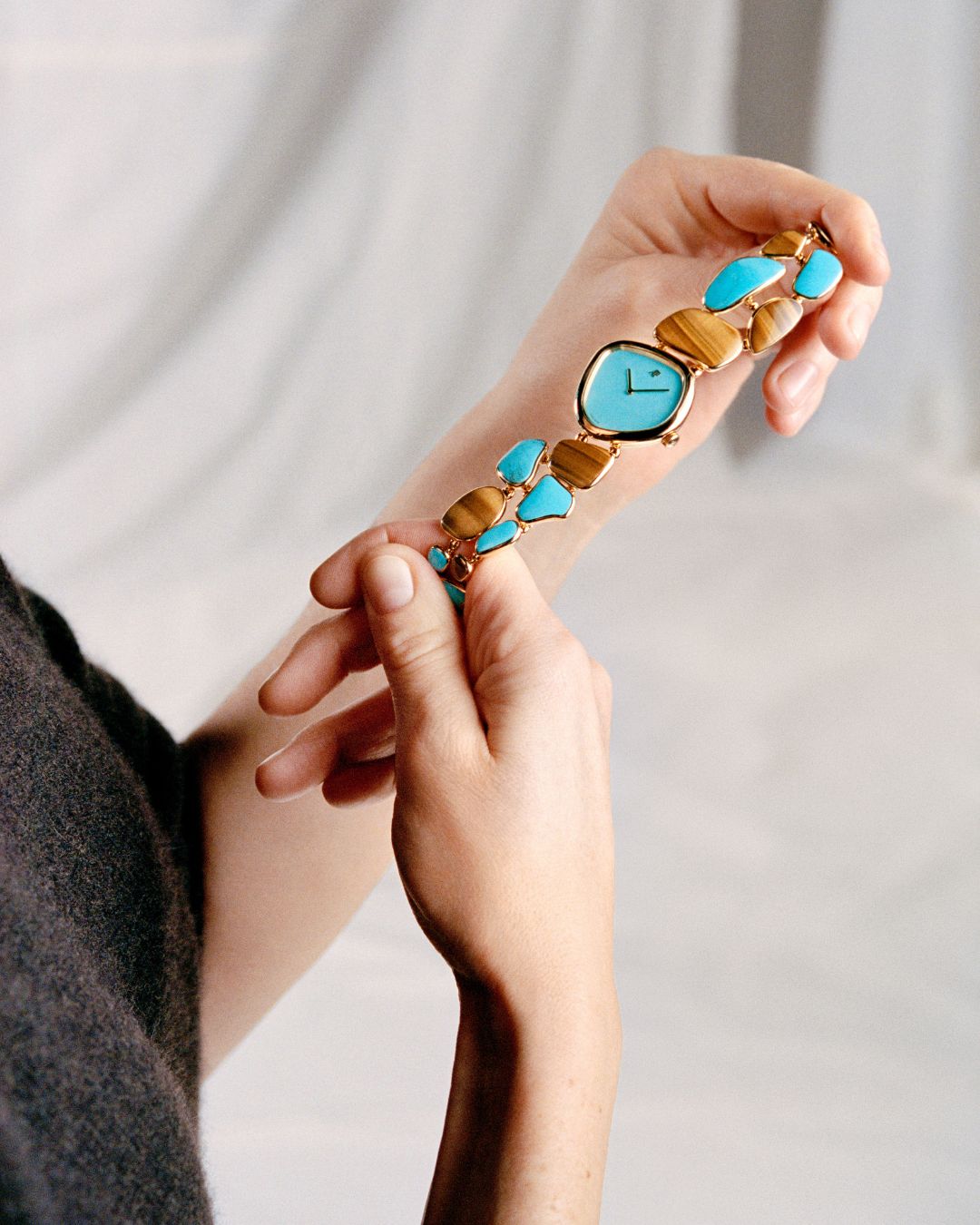

In the 18th century, watchmaking didn’t happen under one roof. It happened in the farmhouse kitchens of the Vallée de Joux, where farmers spent harsh winters perfecting single components—a screw, a bridge, a wheel. The établisseur was the visionary who gathered these scattered talents to assemble a masterpiece. Today, Audemars Piguet revives this communal spirit with the Atelier des Établisseurs, a project that sidesteps mass production in favor of absolute rarity.
Based in the brand’s historical house in Le Brassus, this workshop operates as a laboratory for creative freedom. Here, in-house watchmakers collaborate with independent engravers, enamellers, and lapidaries. The results are not just timepieces; they are time capsules protecting endangered crafts. By blending 2026 technology with manual finishing that no machine can replicate, AP is reaffirming that the future of luxury lies in the hand of the artisan.
Three Pillars of a New Legacy:
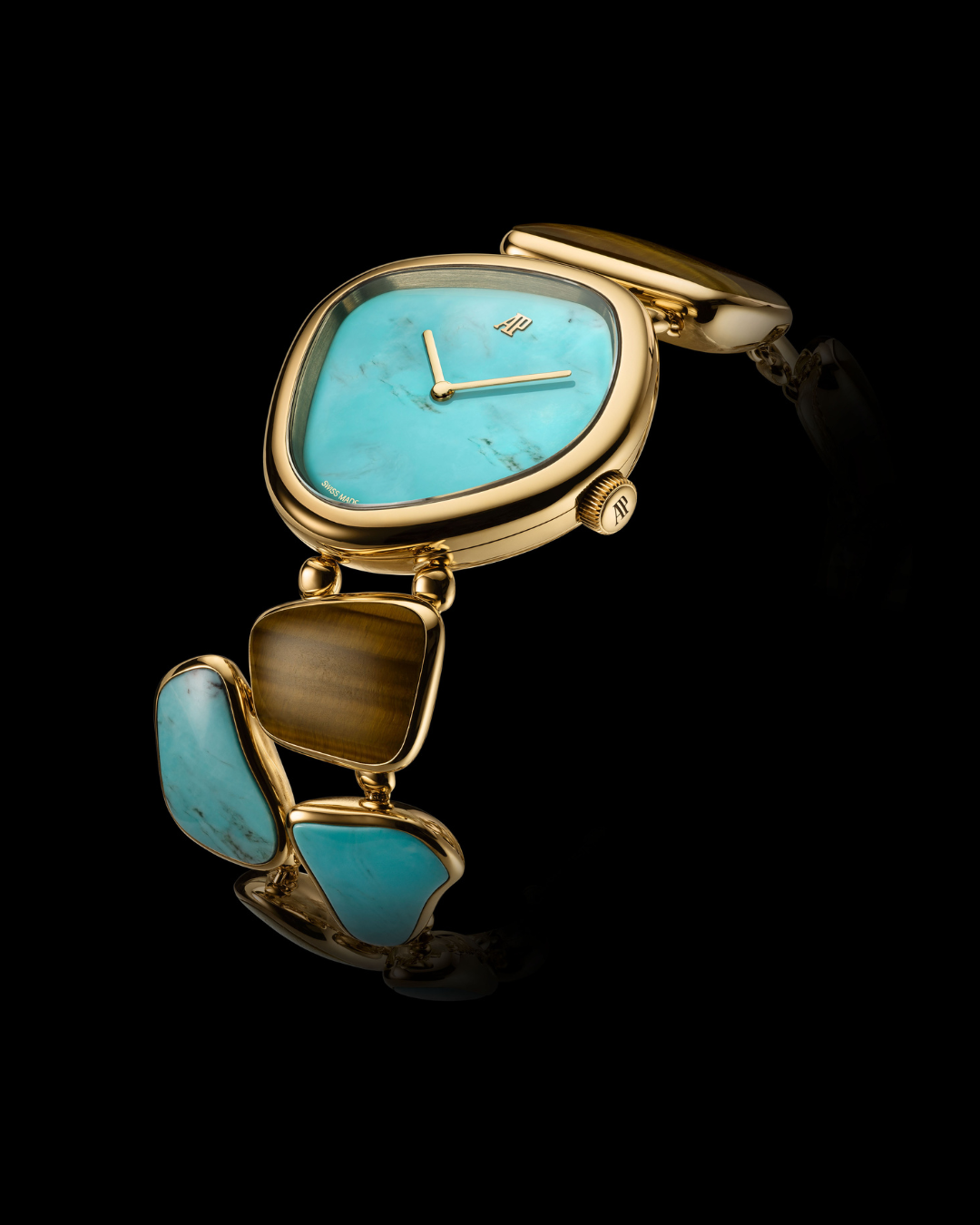
- Établisseurs Galets: An exercise in organic fluidity. Inspired by stones polished by the waters of Lac de Joux, this 18-carat yellow gold piece strips away hour markers to let the natural stone dial breathe. The bracelet, linked by gold spheres, moves with the effortless grace of pebbles in a stream. It is pure jewelry driven by the Calibre 3098, assembled and adjusted from start to finish by a single watchmaker.
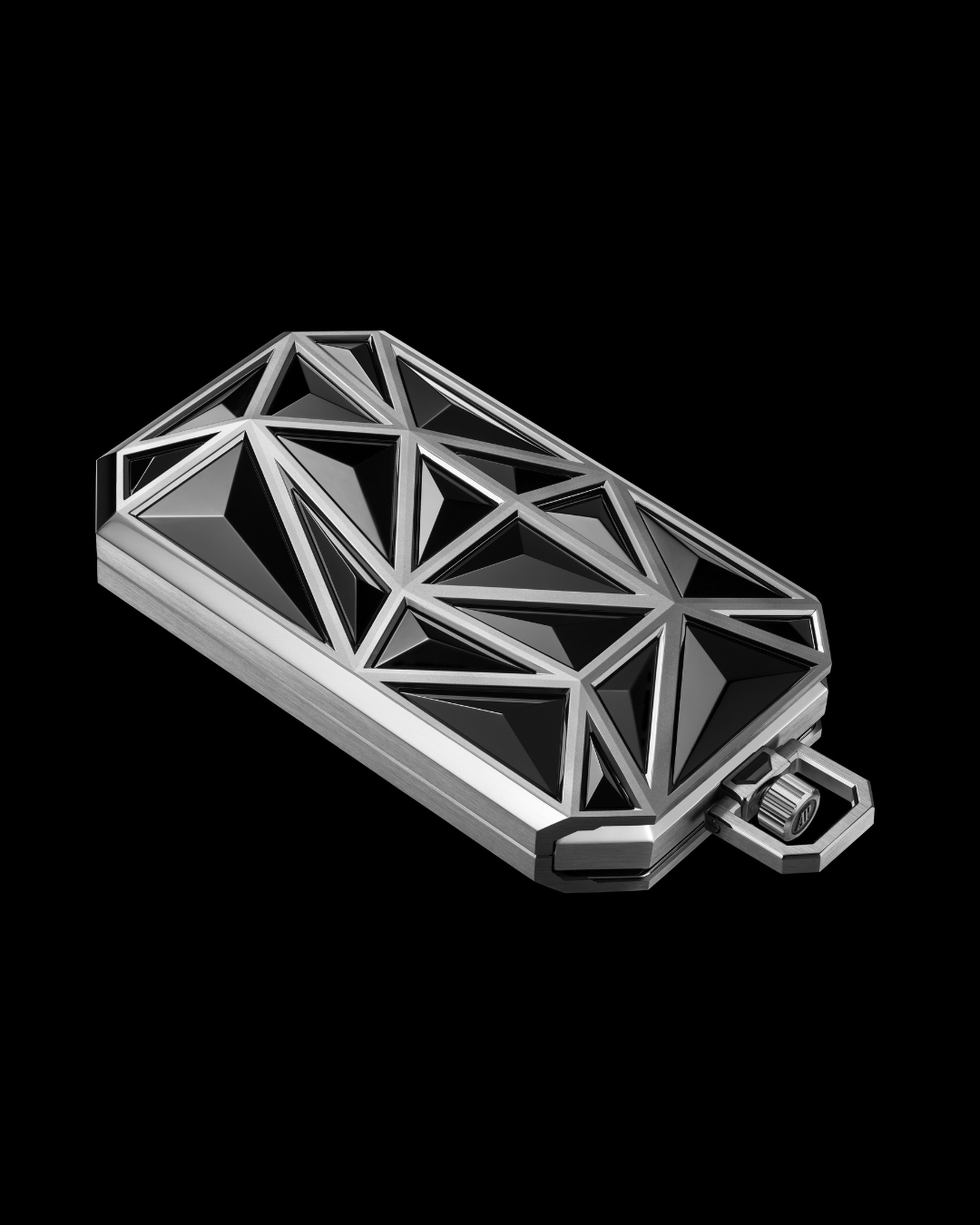
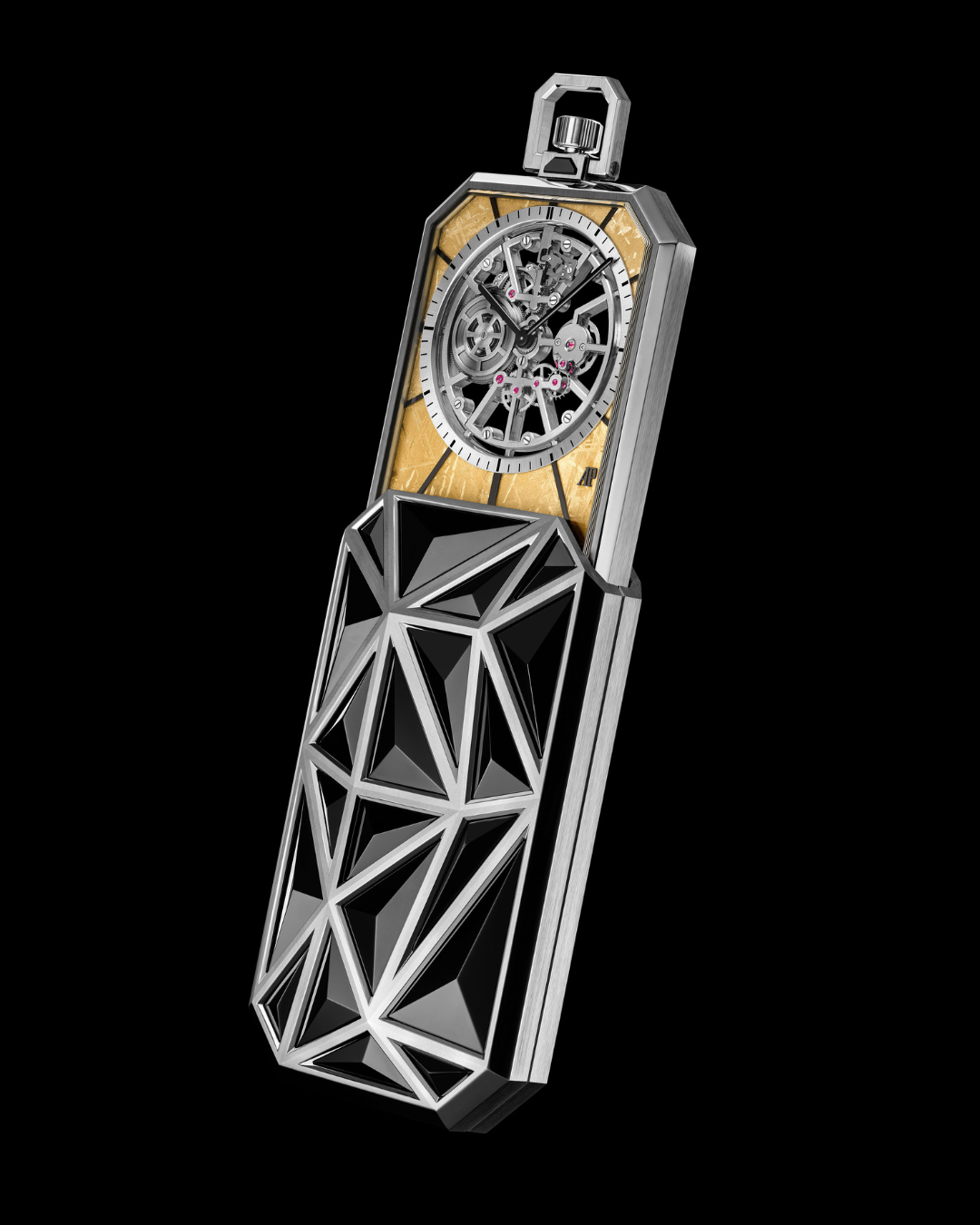
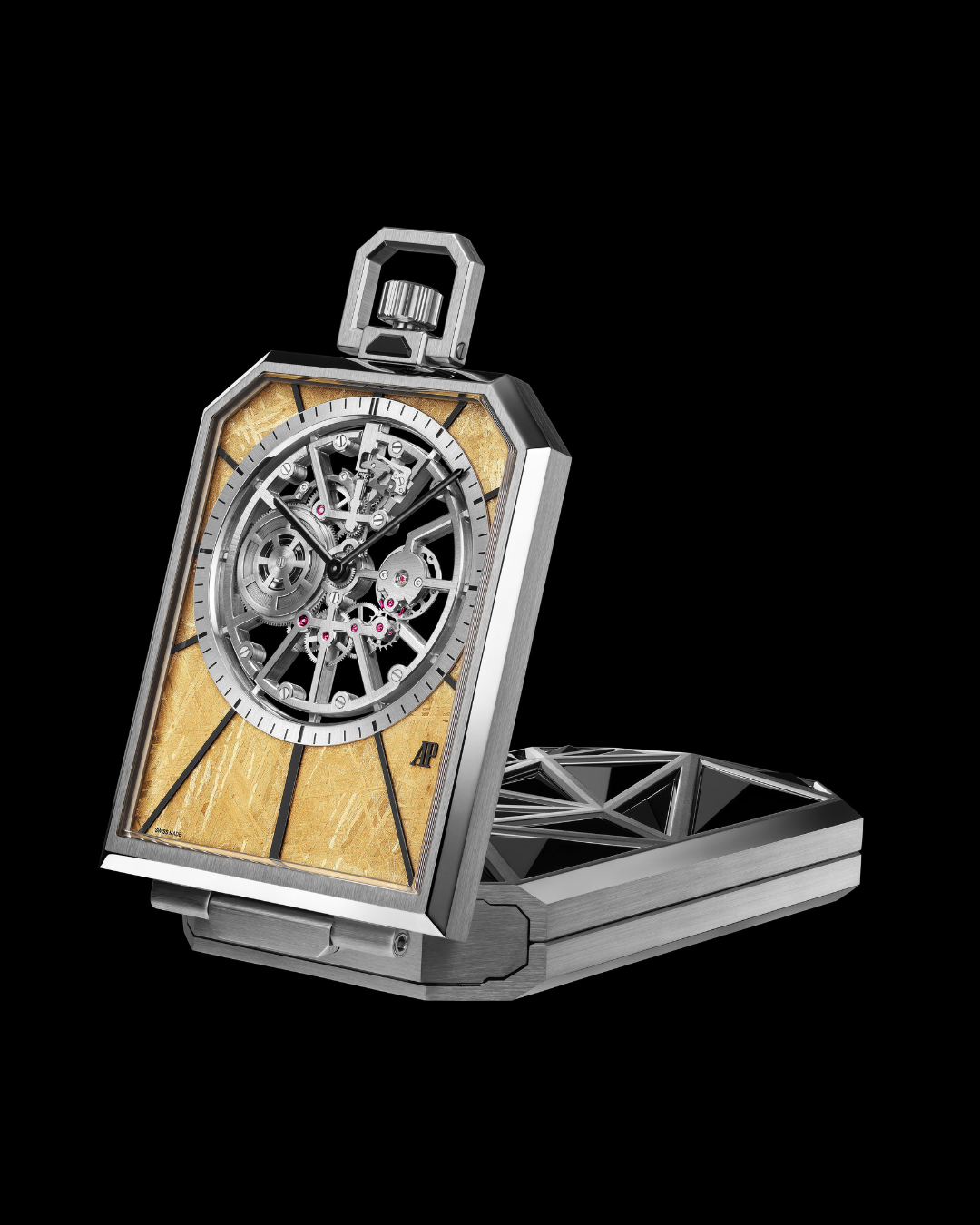
- Établisseurs Nomade: A chameleon of high horology. This titanium or gold creation functions as a pocket watch, a desk clock, or a pendulum. The hero here is the Calibre 7501, skeletonized by hand using a traditional hacksaw—a technique of extreme precision that transforms the movement into a metallic lace.
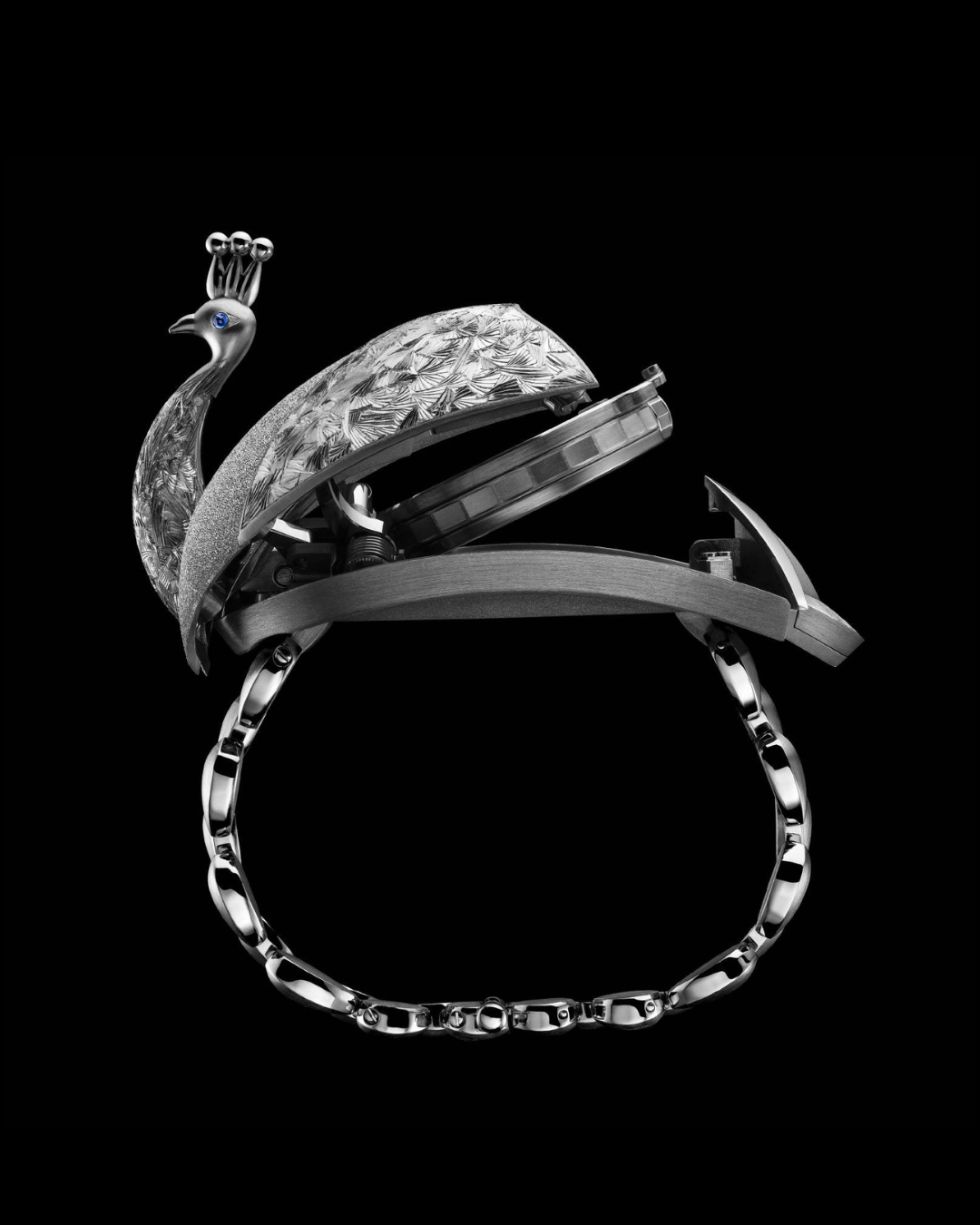
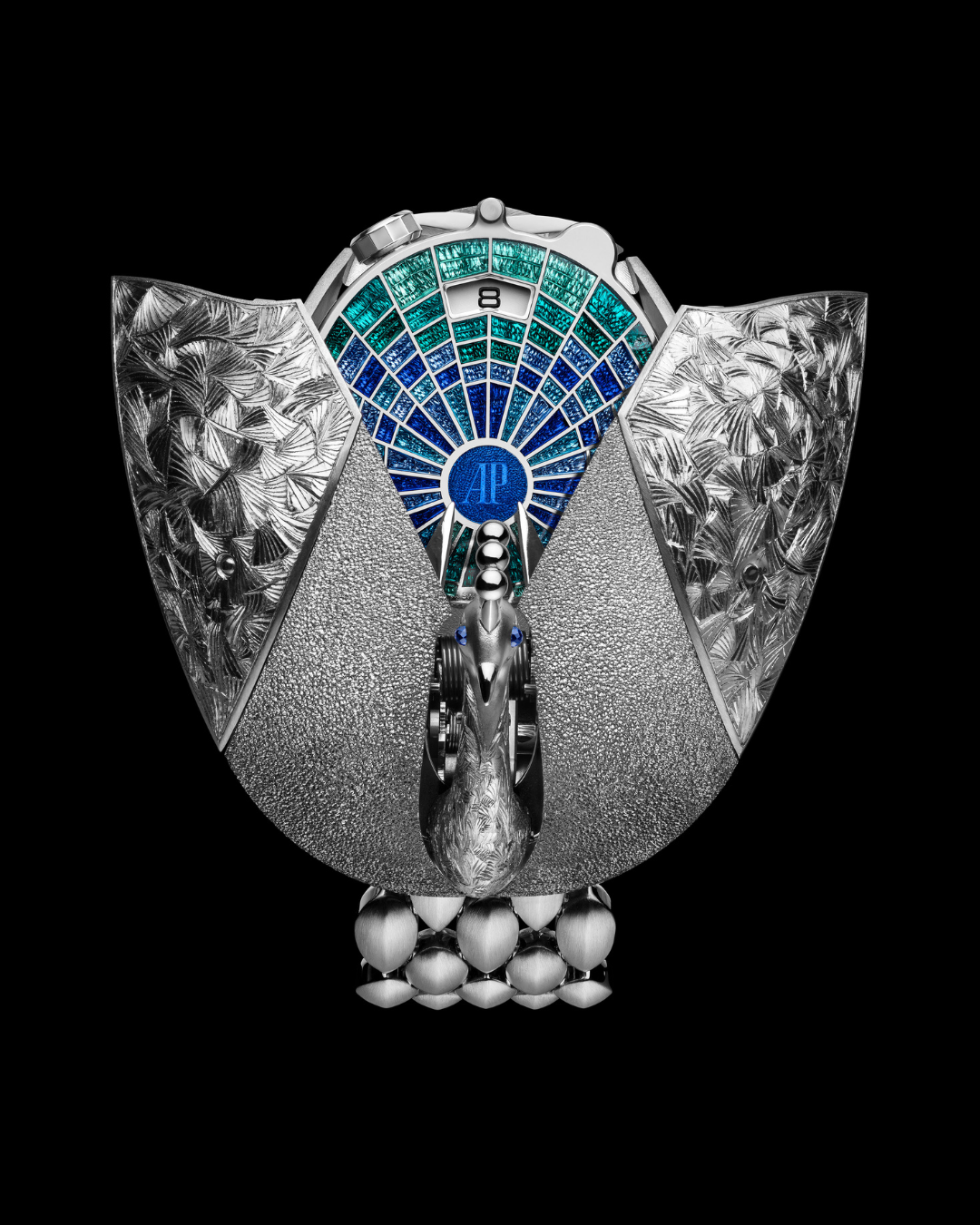
- Établisseurs Peacock: The peak of the "Secret Watch." What appears to be a hand-engraved white gold beetle reveals, through a hidden automaton mechanism, a miniature peacock with a translucent enamel dial. It is a piece of High Jewelry that reminds us that in true luxury, the most valuable elements are often those kept hidden.