CRAFTSMANSHIP, REGENERATION, AND DEATH: AN INTERVIEW WITH ANNETTE ARELLANO AND ADÁN CÁRABES
Kevin Gorian
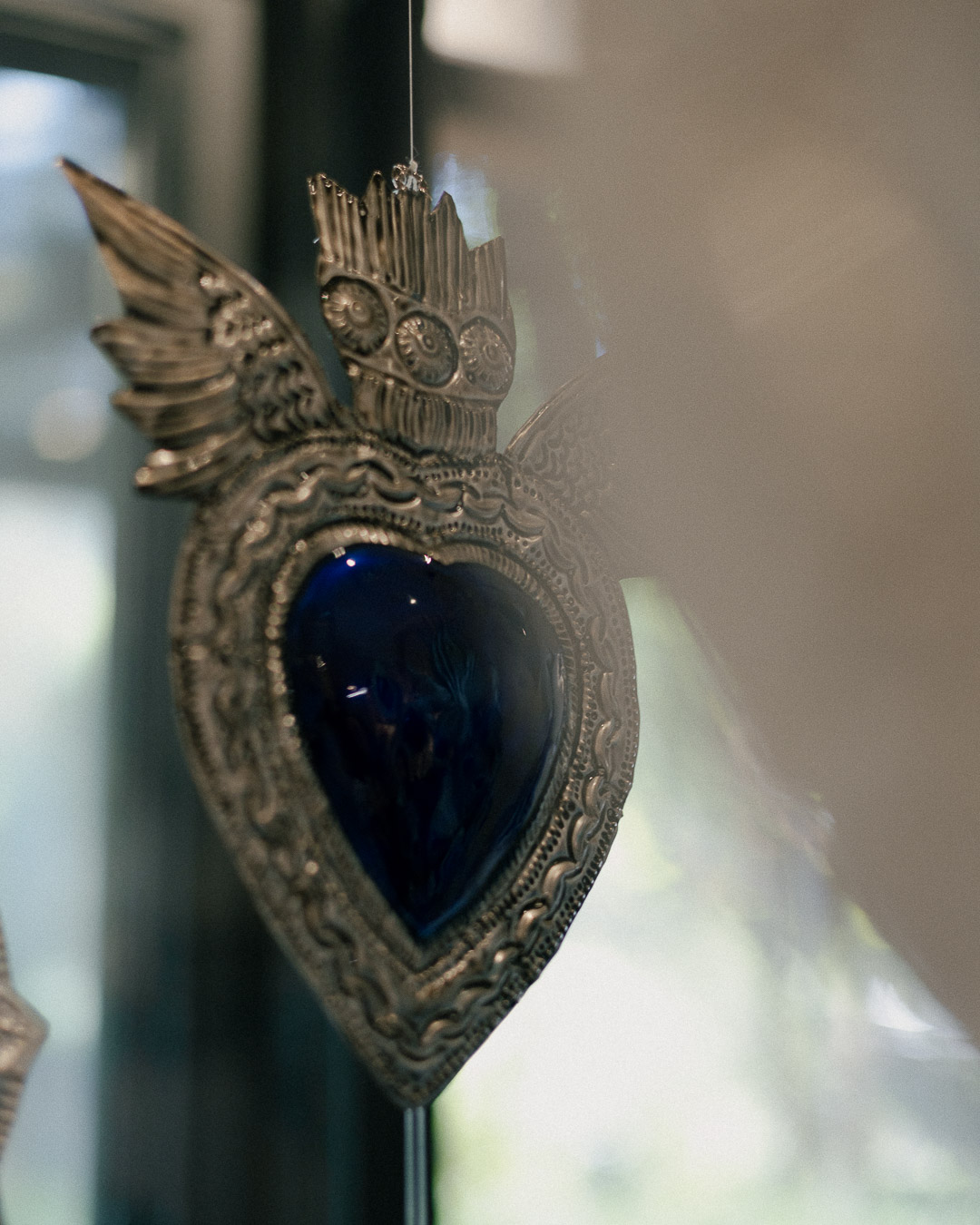
Images Kevin Gorian

I
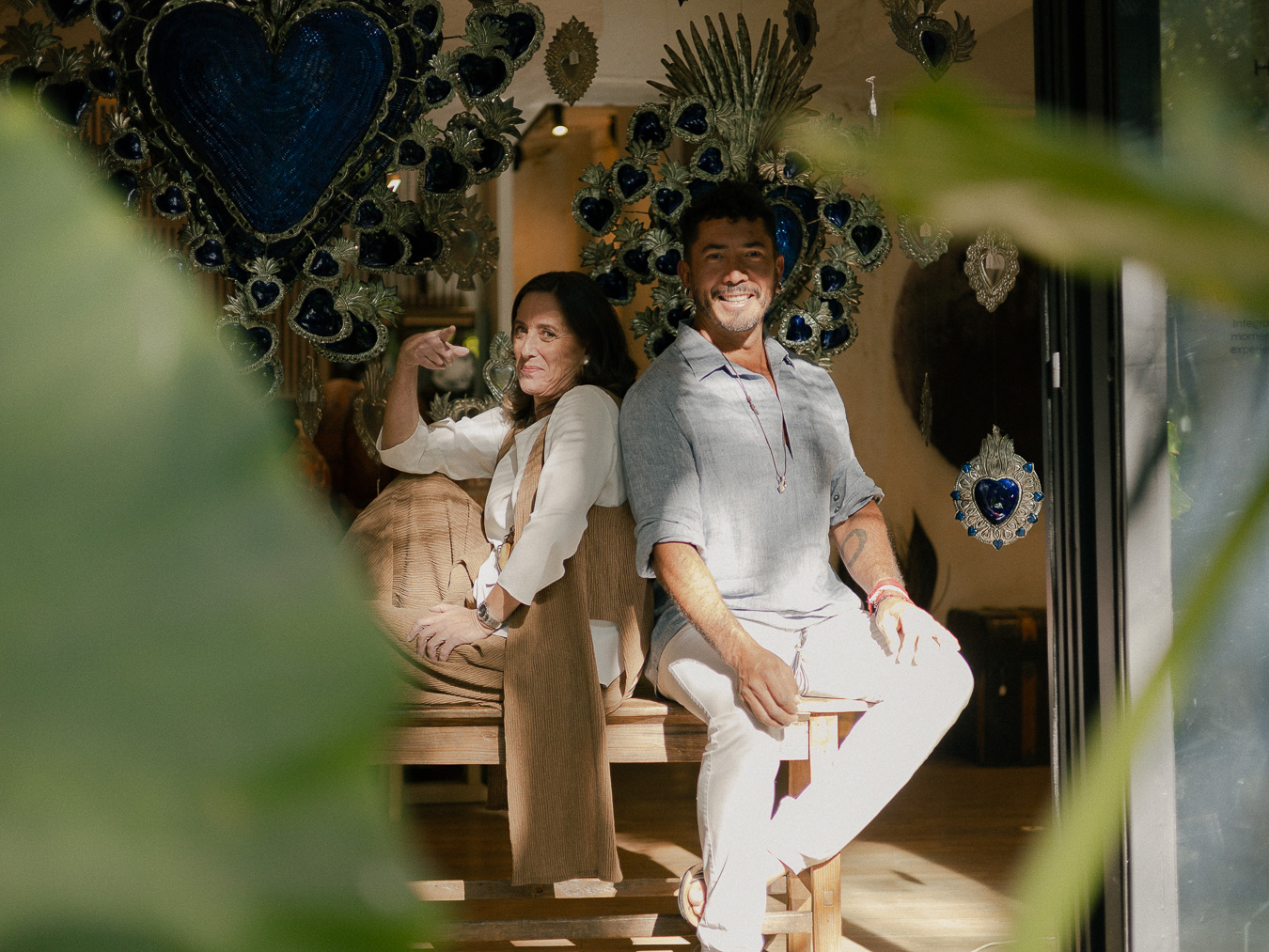
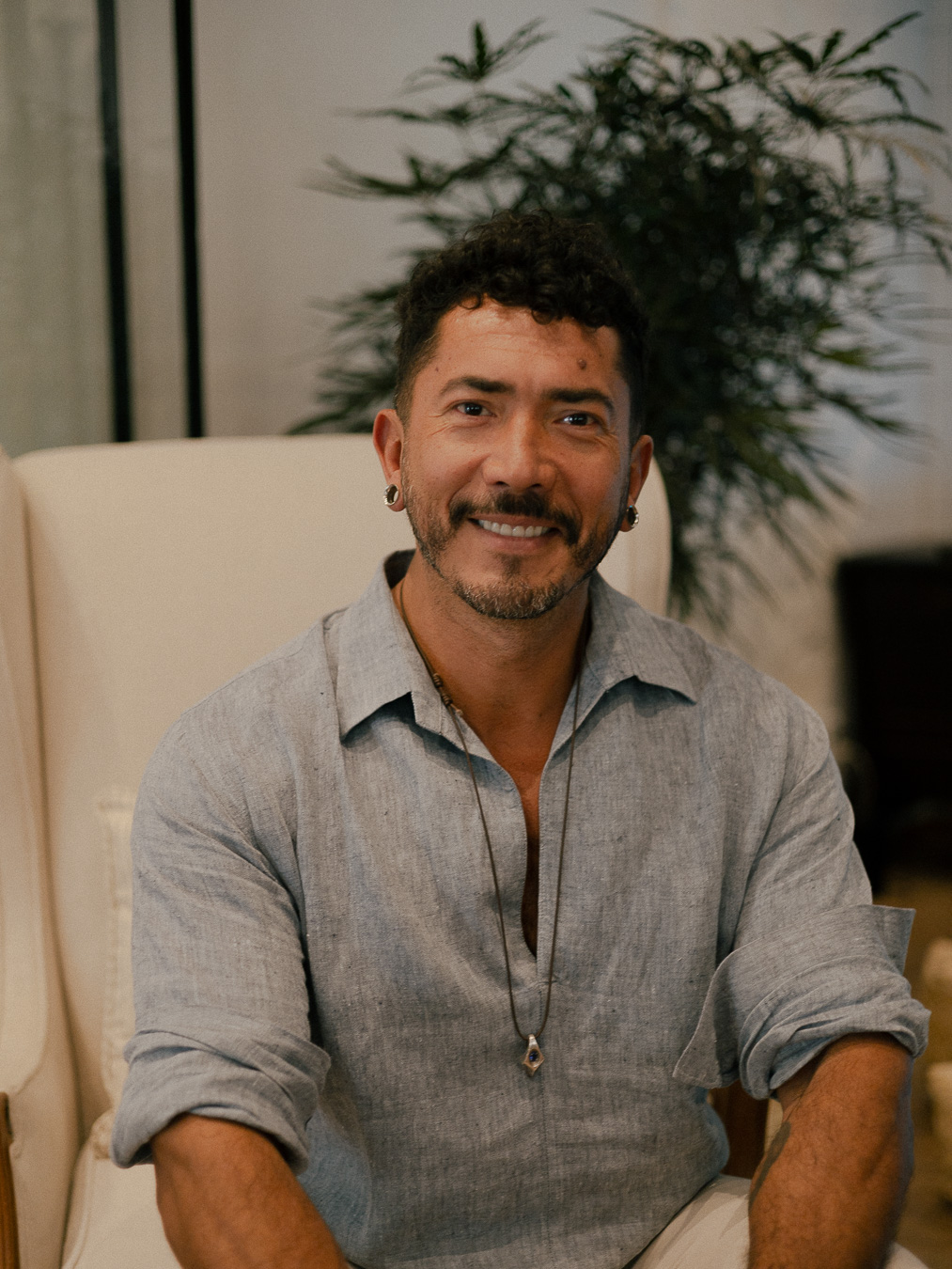
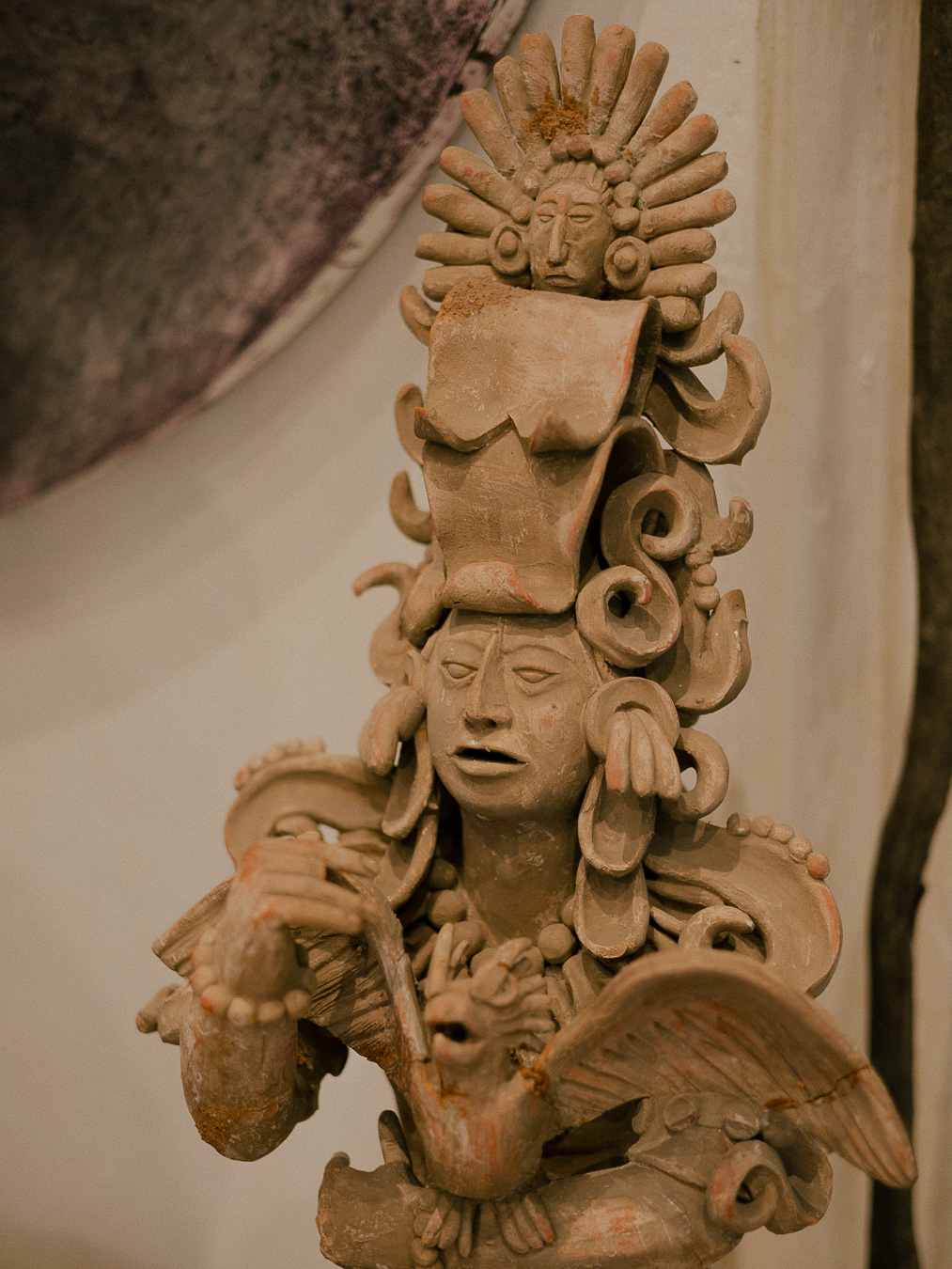
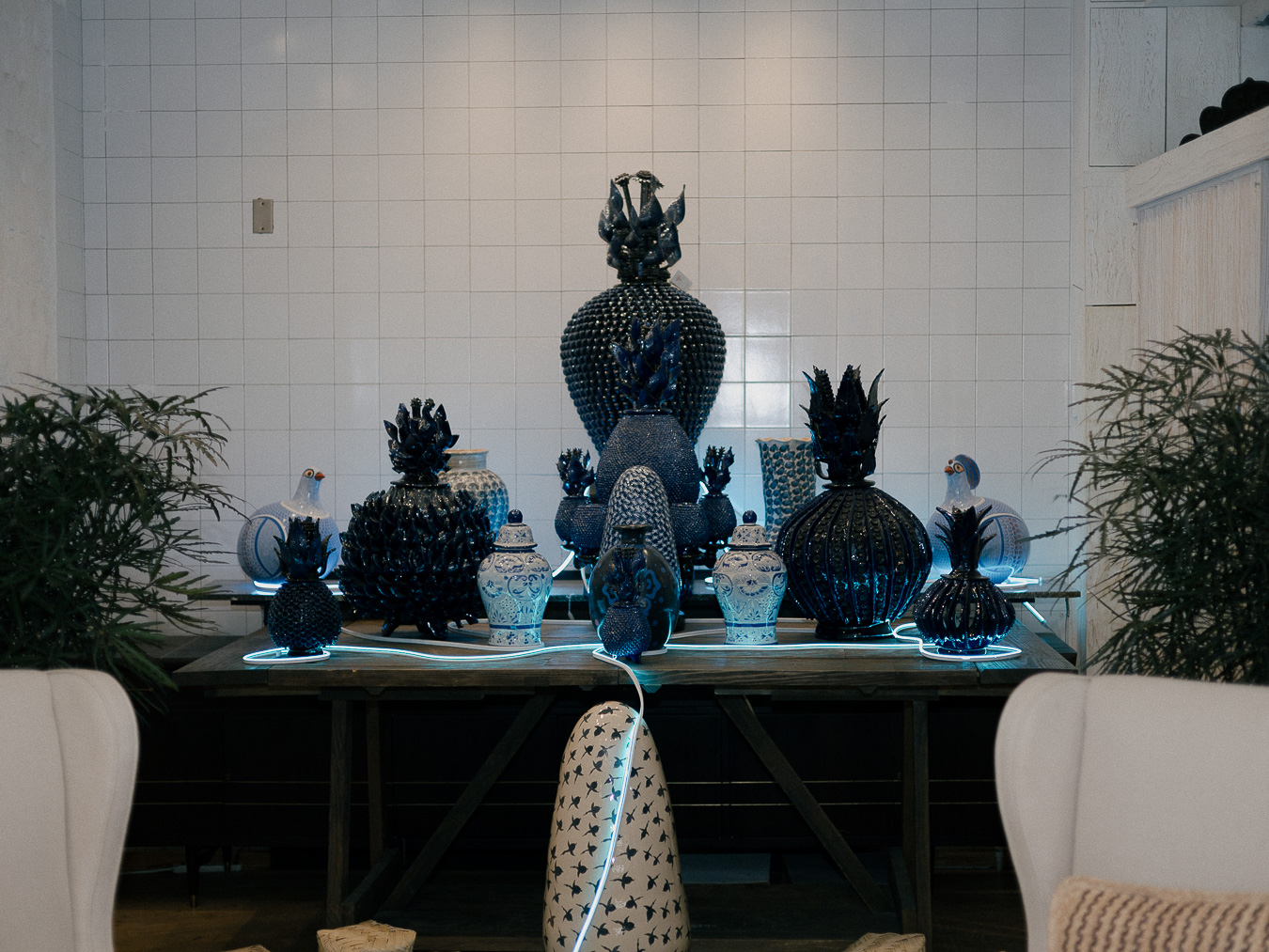
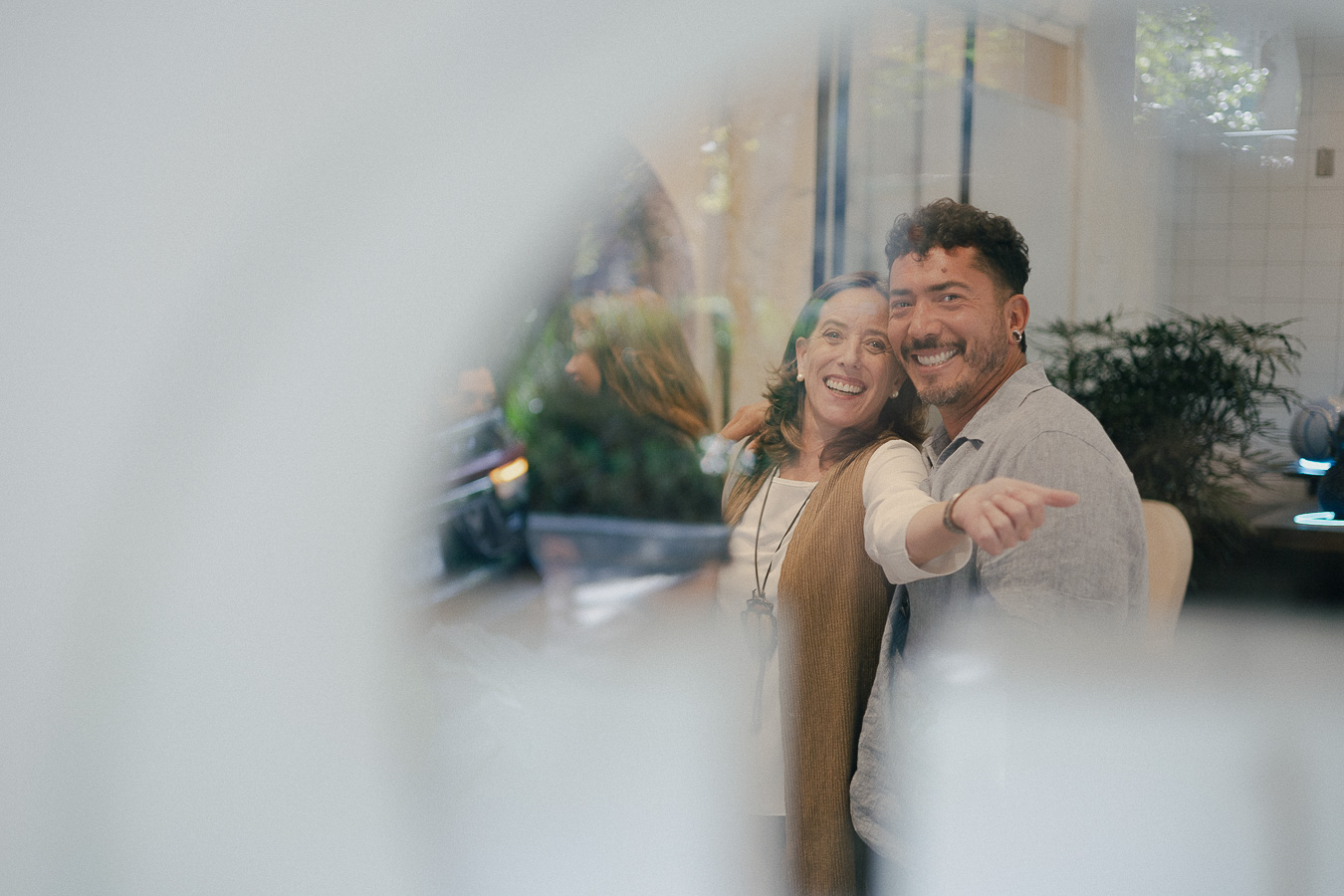
Annette Arellano and Adán Cárabes were united by death—though perhaps not in the way you’re thinking. The alliance that launched this year with the installation Dos Corazones (Two Hearts) was conceived during a Day of the Dead commemorative dinner. There, Adán received a gift: a figure representing an iconic image from the Mexican Lotería. Of the many possibilities that could have ended up in his hands—El Gorrito (The Little Bonnet), La Dama (The Lady), or El Bandolón (The Mandolin)—it was La Muerte (Death), card number fourteen, that came to him. For both interviewees, this was neither coincidence nor luck, but destiny.
ADÁN CÁRABES (AC): Yes. I have to mention we met thanks to Katia Contreras. She organized a gala dinner for Day of the Dead with various renowned architects and designers. I was invited and...
ANNETTE ARELLANO (AA): The most renowned one.
AC: No! Truthfully, there were colleagues there I admire greatly. And there I was, sitting at a spectacular Huakal table at Casa Huakal, here in Las Lomas. Annette and I believe—and don’t believe—in luck...
AA: No, it’s not luck.
AC: But it is destiny. It is destiny. We happened to sit next to each other. Annette and her whole team gave us a...
AA: I handed out clay pieces from the Lotería.
AC: Which featured the symbology of the Mexican Lotería. There was La Rosa, El Borracho, El Barril...
AA: La Calaca (The Skeleton).
AC: La Calaca. And when I turned the piece over, it said my name on the back, "Adán," and here it said "Annette"... In my obliviousness, I thought, "Well, I wonder who Annette is," we hadn't even been introduced.
AA: And besides, you looked terrible.
AC (following a loud laugh): So I turn the piece over once we’re seated and I get "Death" with the number 14. Personally, I’m a big believer in numerology, and 14 follows me; it’s a number constantly by my side. So when I look at the piece and show it off... people usually don’t like "Death" or don’t react well: "Oh, death, I got death," fatalism, like it's something bad... No, it’s quite the opposite.
AA: I was thrilled.
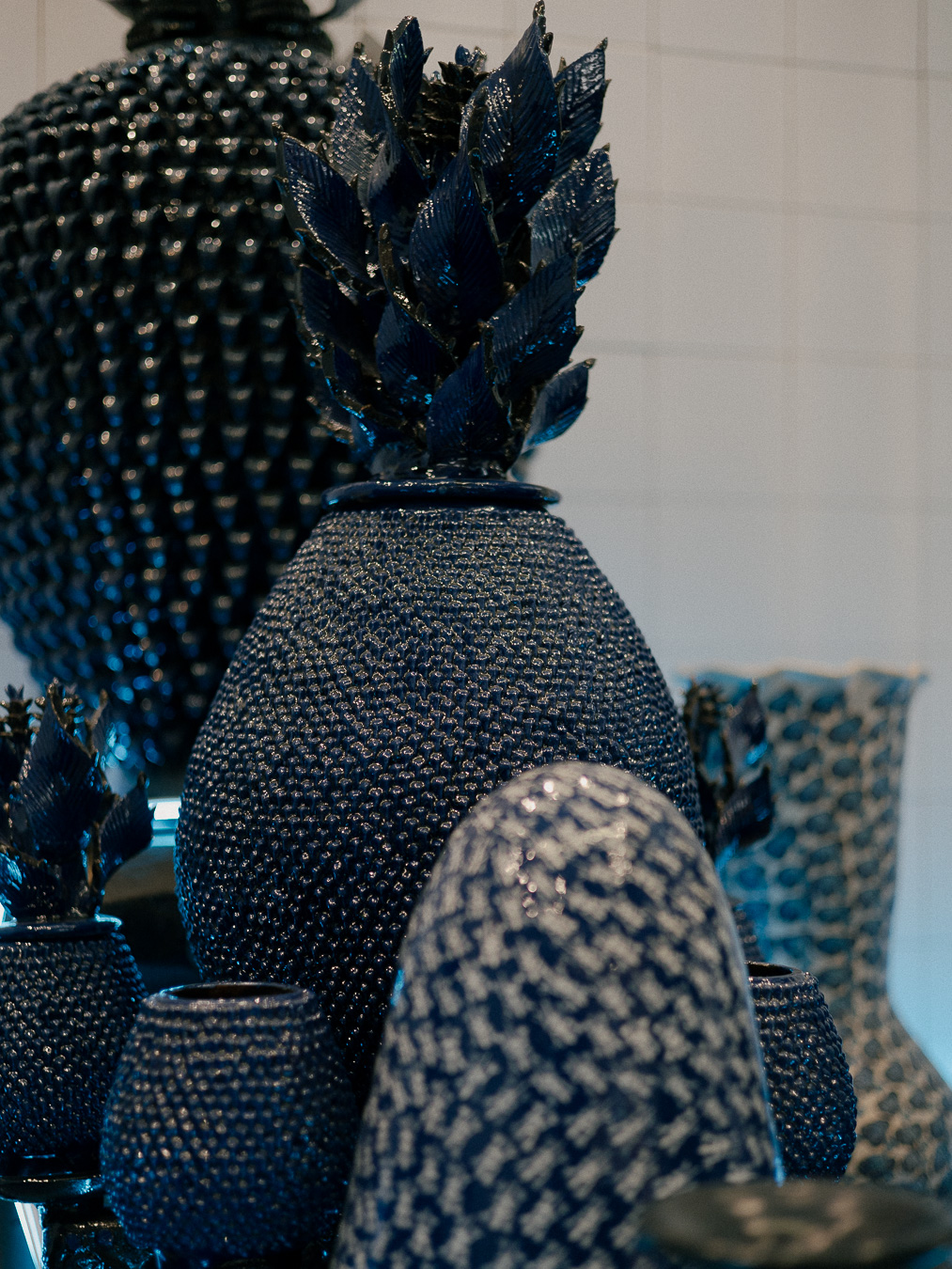
AC: Death symbolizes rebirth; it symbolizes a new... it’s like a mutation, a transformation toward something better. And here I am! So we sat down... that’s how the spark happened. We didn’t know each other; I didn't know Huakal. I thought I was going to a restaurant: "How strange, it must be one of those very hidden speakeasy restaurants," and then I arrive and see these wonders. By the way, I’ve been fascinated by crafts since I was a child. To me, craftsmanship isn't a "minor art"—it is Art. In fact, it surpasses it, in my view as someone who also considers himself a creative artist. An artist will rarely surpass the mastery that artisans have with their hands, their fingers, their eyes. They carry so much ancestry: from grandfathers, great-grandfathers, grandmothers, great-grandmothers, and they are bringing it here.
II
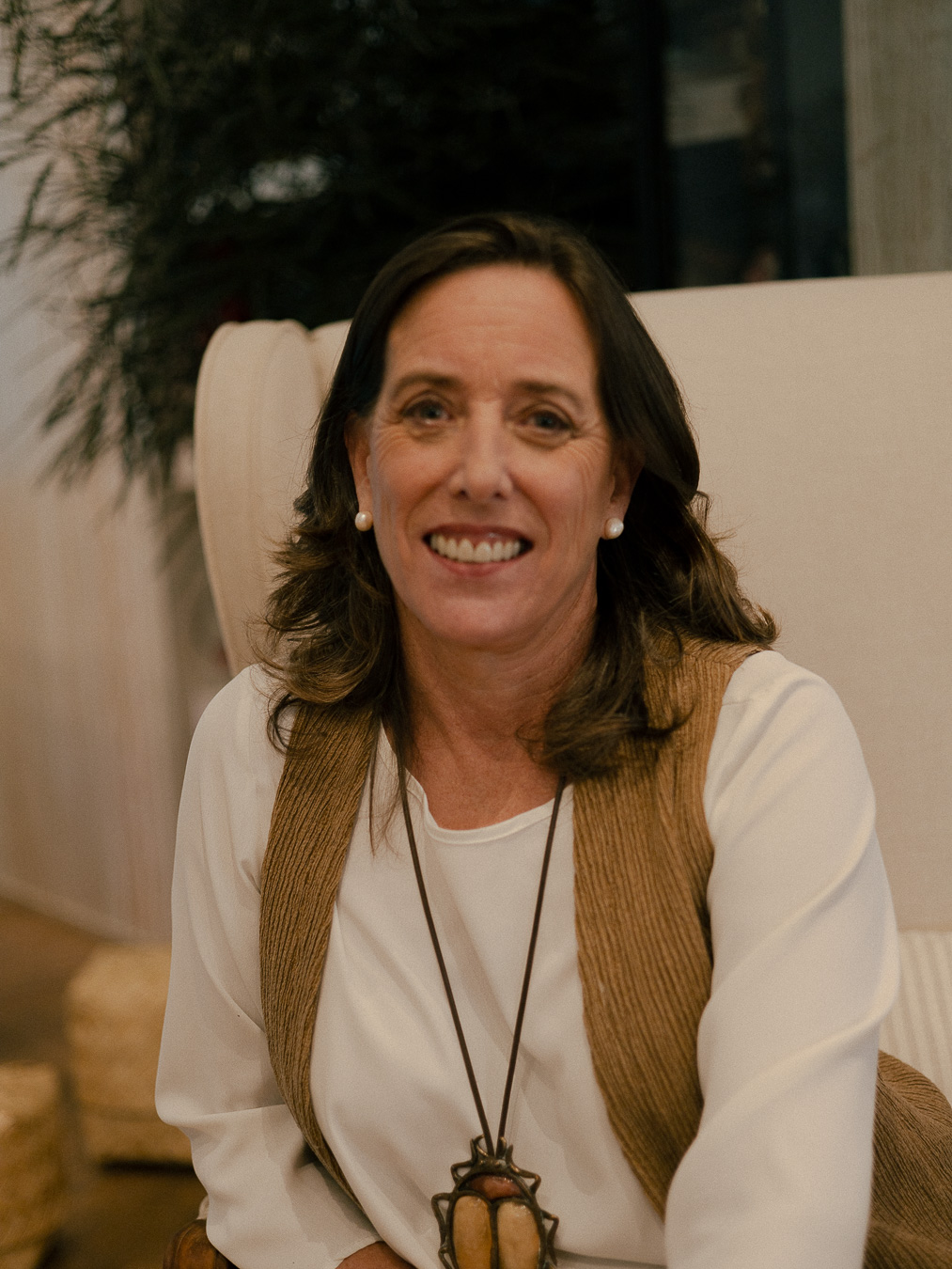
Annette, with a passion for design and the soul of a philanthropist, and Adán, who didn't follow his wish to be a cardiologist but has managed to reach people's hearts by turning architecture into philosophy, could not be more complementary if they had grown up under the same roof. "And we spent the whole time talking about death. But curiously, it was a subject we both liked," Annette recalled as we chatted inside Huichapan No. 25. "Both of us, and we talked... I think we became intimate within 10 minutes. It was very natural and has remained very natural. Now we are doing things. This staging, this interpretation, and this alliance between Proyectos Paraíso and Huakal is simply a sample," Adán added, letting all the future possibilities linger in the air of the space customized by him and his team.
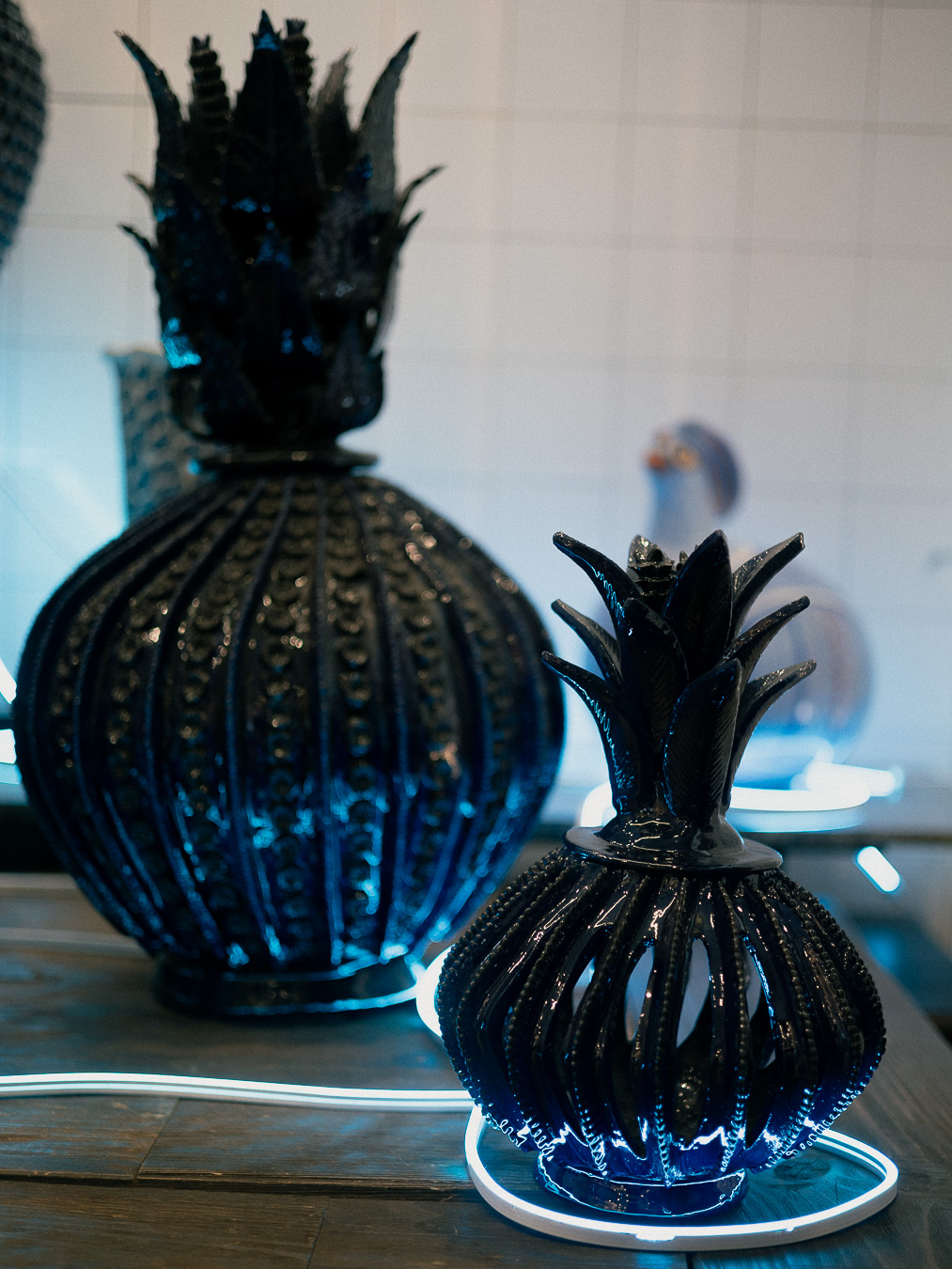
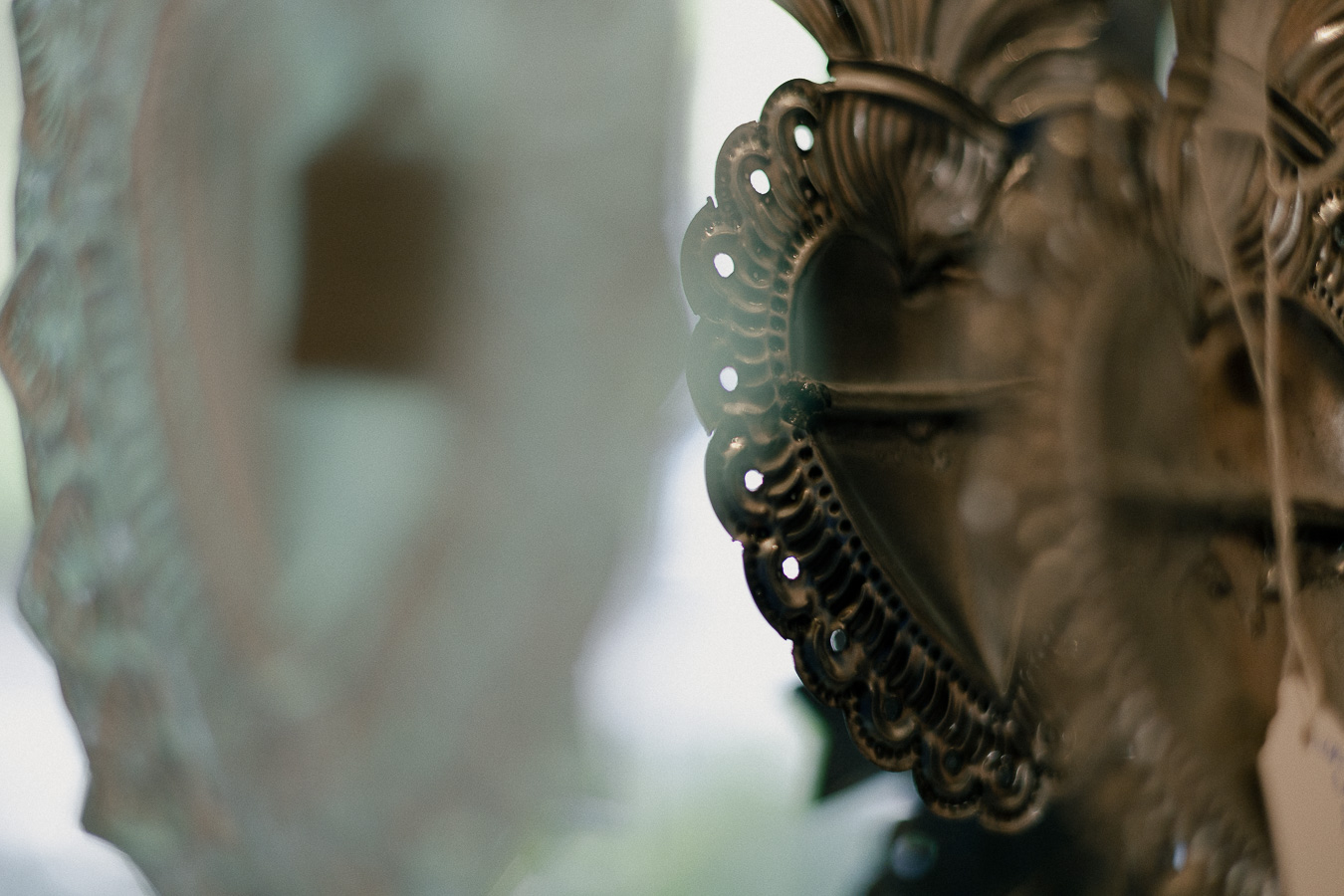
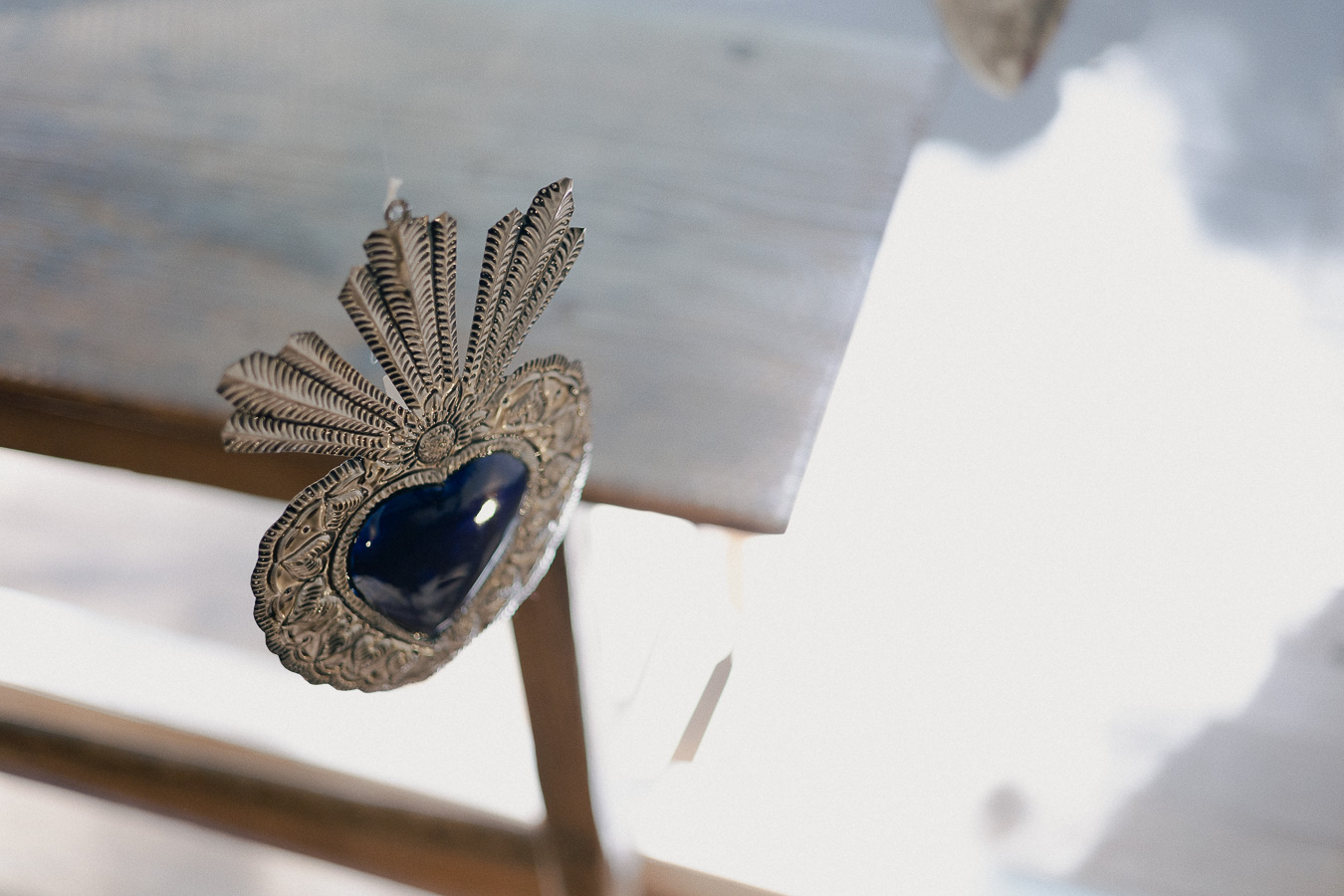
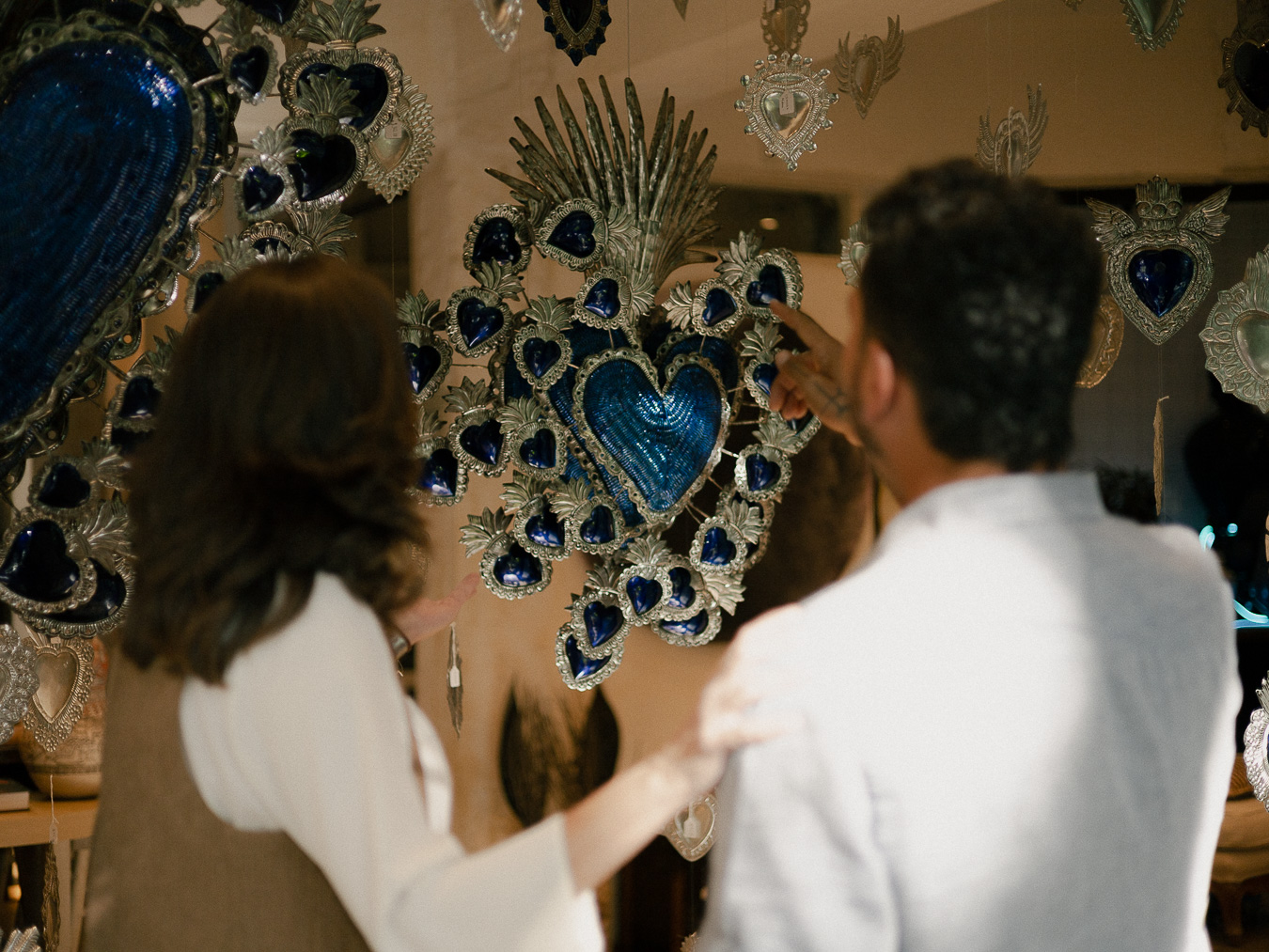
The institutions they both lead—Huakal on one hand and Proyectos Paraíso on the other—are born from a palpable need to provide a foundation for design and to dignify and exalt craftsmanship—"what unites us is re-signifying aesthetics and beauty in pursuit of the well-being of the human being and their system," in Adán's words. These goals resonate perfectly with two sparkling and profound personalities, intertwined in an installation that, for now, lives and breathes in the window display connecting the Proyectos Paraíso atelier with the people who walk through the Hipódromo neighborhood every day.
III
The passion of these two creators has led them to translate their ideals into concrete actions—whether at Huakal or Kalimori, at Ectarea or Design Week Mexico—because, in the end, what remains of us when we leave this world? "You leave messages, you leave legacies, you leave smiles, you leave stories, right? And more than what you leave materially, it's what you leave in people's hearts," Adán explained, speaking about why they do what they do. "And that's partly why we very naturally decided to do this first intervention, which is very closely linked to the heart."
AA: What more can you ask of life? Real, authentic, honest connections and relationships. And it can be him designing an architectural space while I, at a certain point, come in to place pieces that give it another connotation, another focus, and also give life to the material he created. That’s where the beauty lies for those of us who love the aesthetic and creative side: truly feeling that blending of different elements. Adán works very well with natural elements, and to me, that’s exactly what my artisans do. It all comes from the earth.
AC: And we come from it, too.
AA: And that’s where we’re headed.
AC: And that’s where we’re headed.
IV
With the theme that united two spirits during a dinner still present, the "death of the artist" came to mind—well-understood or not—that act in which a creator ceases to be who they were at the moment they release a work. A "mourning," as Annette called it. For Adán, what he left behind upon finishing Dos Corazones was energy and a selfless value for reinterpreting the work of master artisans. At the same time, for him, there is a very particular beauty in the idea that what is here today is gone tomorrow. "It’s here now, you see it, and possibly in two or three weeks it will be gone," he said. "And it does leave me with something very rich: timelessness. Knowing that I leave energy, love, and affection here that will be transmitted, but then fiu!, it’s gone. [...] But the beautiful thing about these installations, or what happened here or is happening, is this playful element. That’s what I like, that it’s very... well, this 'let’s see,' choosing a certain piece, how it was going to look... I had clues in my head, but I didn’t know how it would turn out, and I like that very much. The fact of being able to collaborate in such a childlike way."
AA: It produces a different effect on me. It generates a bit of what Adán says because nothing in life is static, right? So for me, it does cause... because to me, these are present moments. So, this moment, this interview, these photos, they are moments that give me pleasure, that generate emotions... and then they go away. On the other hand, every time you share in some way, you are quieting the ego. You are quieting the ego because it’s a way of giving of myself and not knowing what will happen, and that isn’t always easy. Because you’re putting your heart and your ideas and your effort into something where you don't know what will happen. And as Adán says, then poof!, it disappears. And it was only a present moment.
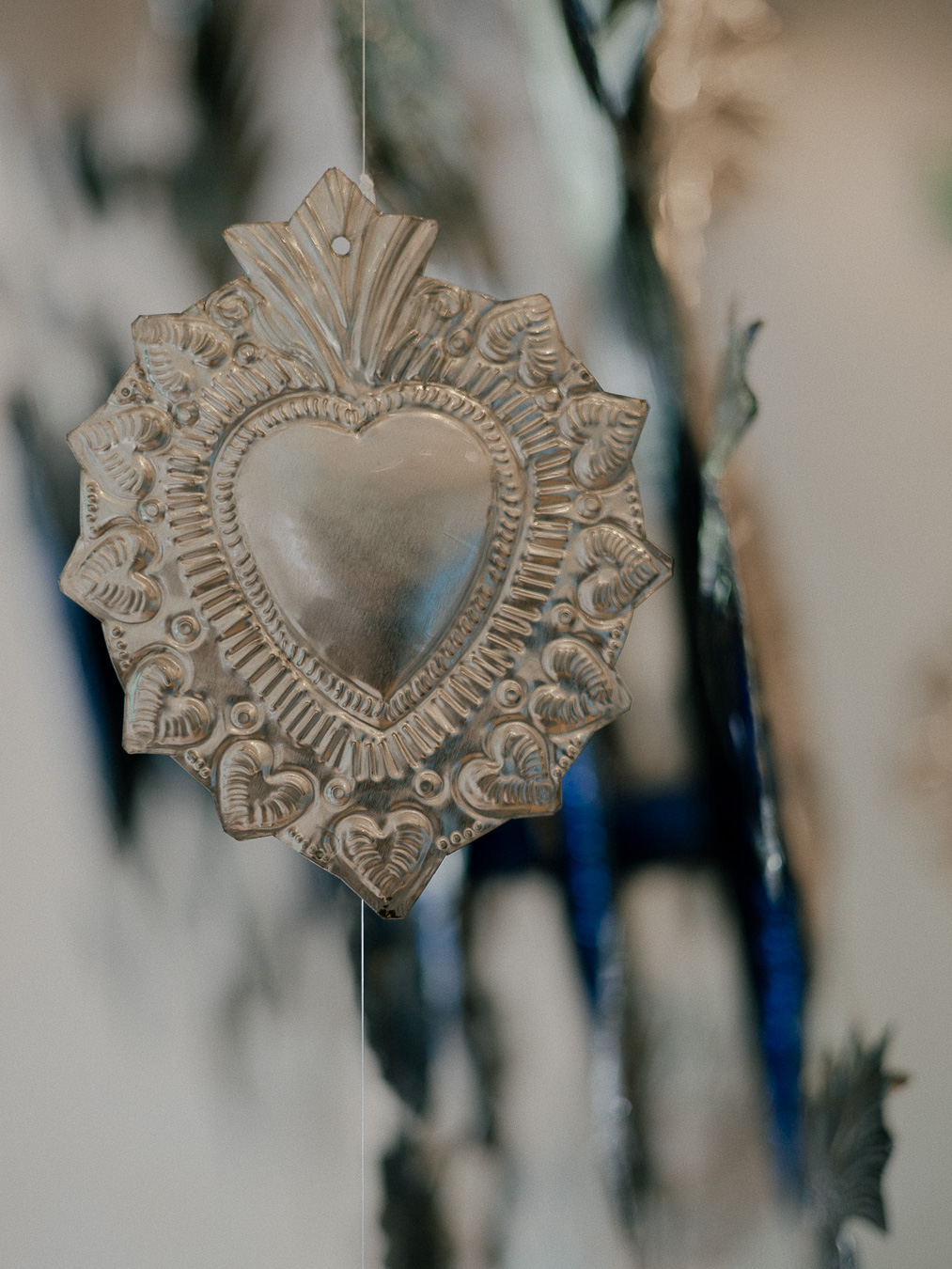
AC: But notice that now that Annette is speaking and saying all this... and this more solemn energy descends. I say: how wonderful that pieces of art—miracles, because the hearts are actually milagros, right?
AA: No, no, and there is design here that is yours.
AC: There is design here, of course. But yes, how design, by reinterpreting pieces... here the common thread is craftsmanship. And how these pieces can then lead you to have these deep conversations, you see? It’s exactly part of the message we bring, which Annette said at the beginning: how we re-signify what a craft represents, transmits... and here it is. We are gathered around reinterpreted crafts, but at the end of the day... Do you know the amount of time, energy, stories... the earth, the kilns, you know? What lies behind them. There is a lot of history there. That is also what Annette and I represent today through what you are seeing.
V
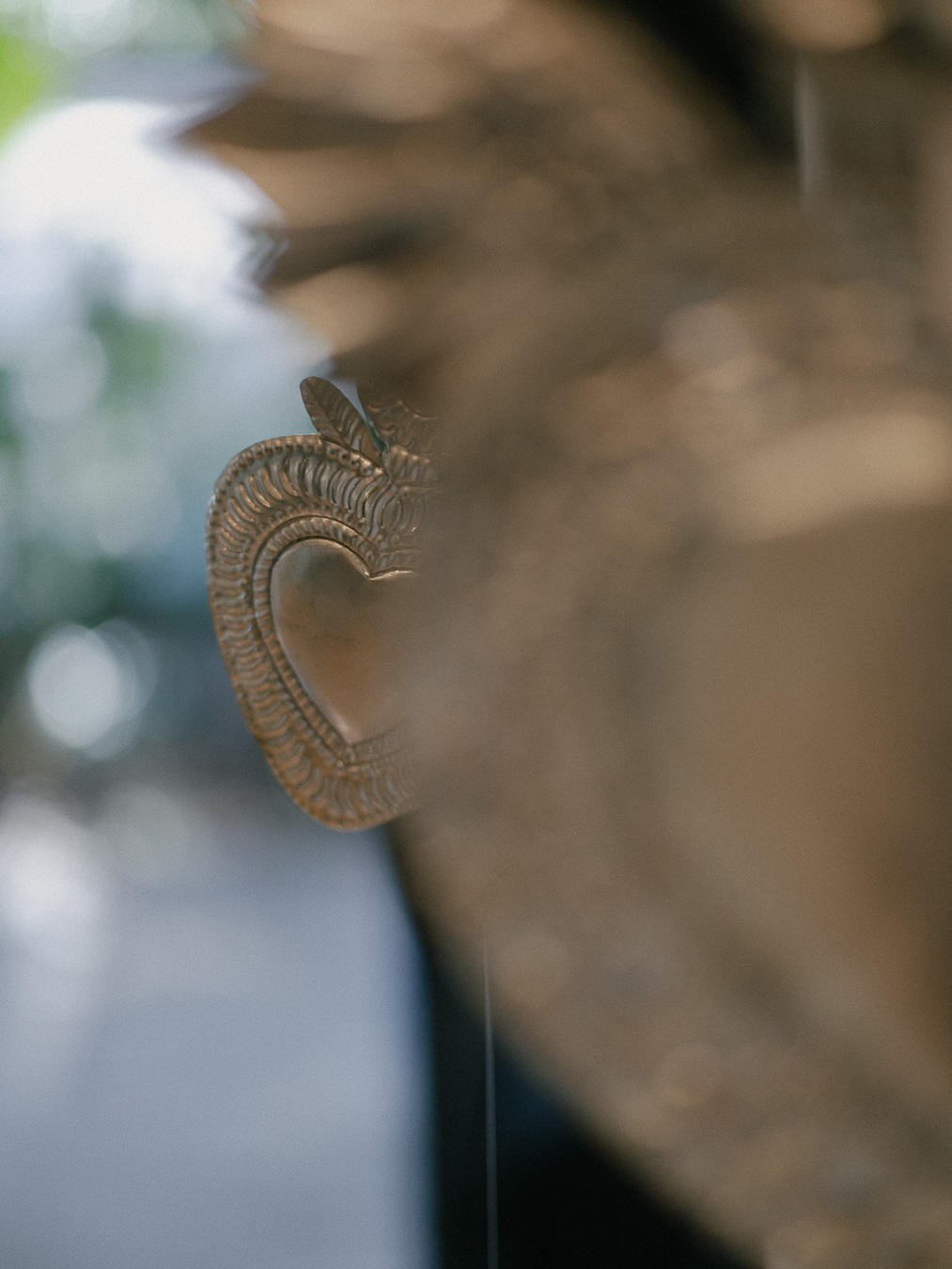
In Dos Corazones, those most versed in observation can find a subtle reference to one of the most popular Mexican artists in the world: Frida Kahlo. To give shape to this artistic moment, Annette and Adán found inspiration in the painting The Two Fridas. However, this does not make the installation a strict re-reading of the Coyoacán painter's work; rather, it is perceived as a spiritual abstraction of what both found within the piece: an invitation to reconnect with ourselves. "What the piece really transmits to me is a connection with oneself," Adán commented. "I’ve read some things about that painting, but when I saw this piece and saw the hearts, it immediately took me to that place in her painting where Frida is touching herself, seeing herself, stepping out of herself to look at herself," and like Frida, the installation invites us to look within. To disconnect for a while. To sit down. To lose ourselves in observation, if only for an instant.
AC: Now that this exhibition has been up for a month, almost... you wouldn't believe the amount of stories people have been coming to share with us when they come to take a photo. It’s captivating; the hearts are captivating. And I dare say I think we are the only country that uses the heart so much, that gives so much importance to the heart: the Sacred Heart of Jesus, but the heart... I mean, we eat hearts [bread/sweets], the heart is in the milagritos. We are... I wanted to be a cardiologist. I mean, the heart is very... I don’t know if you know that the heart even has neurons. We have three brains: the one in your head, another in the heart, and one in your stomach. So… I’ve wandered off again, sorry. Why do you guys invite me?
AA: Goodness, you’re gone! I mean, if I was being deep, you’re already in total philosophy.
AC: Yes, well, imagine, when you break up with your boyfriend, girlfriend, whatever, and you feel a broken heart, it really is broken. The heart does feel. So, returning to the question of why we focused on or why there is this inspiration in The Two Fridas, in her two hearts, it’s that; and it’s also like a call toward something vital, and I think this is more important than what I told you before: it’s a call to our brothers and sisters—that is, the people passing by, the population, the human—to say: "Hey! Step out of yourself and connect with the heart of the person in front of you." And that sounds very hippie, sounds very New Age, but we are so immersed in ourselves that sometimes, when you give yourself the chance to step out a bit—like in the Frida painting, where a little thread comes out and connects with the other, very Avatar-like—you discover such interesting things about anyone. Well, that’s what happened to you and me.
AA: Yes, I was just thinking that.
AC: So that’s largely why we simply took the essence of that painting, because you don’t see any Frida here; you see a minimalist abstraction of it.
AA: For me, that representation is indeed about the fact that we live very disconnected and we have to reconnect. Everything happening around us causes us to disconnect: all these devices, everything... And we have to connect; and for me, one way to connect is the earth, the artisans, the people I live and work with... I want to live it intensely, because it’s not for nothing.
VI
This alliance, forged in brass and held with ropes, is only the beginning of what Huakal and Proyectos Paraíso have planned for the future. The mission of this creative encounter goes beyond the instantaneous; it is directed toward achieving a different, reasoned, beautiful Mexican design and cultural regeneration.
AA: I would like to see more real creations from the standpoint of why they are created. Not just from the perspective of having a roof, four walls, and any piece of decoration. It’s about what that space leaves you with when you are in it, what it reflects back to you, and how it envelops you. For me, a house or an architectural project must have its own soul. And you don’t achieve that just because you started drawing and solved a four-wall layout. It has to have a soul. And that’s how I see it; I’d like to see more... less frivolity in the "show." Let there be... something that moves you, that stirs you... more heart! Let it stir you for better or worse, but let it stir you. It’s like when they say: "let them speak well or let them speak ill, but let them speak." That’s what I’d like to see more of: more soul.
AC: More soul, yes. And notice that something that united us was what we already mentioned about the dinner and such, but Proyectos Paraíso has a leitmotiv, a purpose, a statement that took me several years to reach. It’s very simple, but simple things often take the most work. We say that we create—and we do—we create beauty, well-being, and regeneration for people, which is our most immediate object. Not the architectural entity. What interests me first is the person: listening to the person, knowing what they want, knowing their story, knowing what they feel, solving their needs—whether they are residential, or for a financial project, a hotel, a restaurant... First is understanding the person, creating beauty, well-being, and regeneration for people in the spaces they inhabit. Because we human beings need an architectural entity for whatever we do. Even for a quesadilla stand on the highway—that is architecture too, even vernacular. And then, after impacting and creating this in the spaces people inhabit, the earth itself. That’s exactly where what represents, for me, very subtly (because the framework of thought regarding regeneration, which people are starting to talk about now and I’m very glad, is very complex) the evolution of sustainability. Sustainability has become prostituted into "how we sell more," and now regeneration doesn't just talk about ESG and the three pillars of sustainability—natural, social, and economic. No. Regeneration, and this is what unites us…
AA: It’s like everything, it’s a whole…
AC: It’s a whole and it’s a framework of thought, and it has to do with reciprocity, it has to do with understanding how unique each project, each person, each artisan is... Anyway, I won’t give you a whole speech because it’s very long, but precisely this leitmotiv, this mission that Proyectos Paraíso has, is for sharing. That is to say, this isn’t just the philosophy of Proyectos Paraíso. As the Ángeles Azules would say, it’s "from Proyectos Paraíso to the world." Proyectos Paraíso are bubbles that emerge in many places, such that today Huakal is also a "paradise project." We share that regenerative vision that speaks of systems, speaks of regenerating the "being" through beauty, through aesthetics, through architecture, through design; it is re-signifying aesthetics. And I’ll close this question with this: if you look at nature and how it regenerates and forms itself, you realize that where there is beauty, there is much well-being. It’s the energy. Nature itself gives us answers. We must re-signify the beauty we have lost along the way. Often, humans today think beauty has to do with something else; we’ve given it a lighter tone, we’ve stripped it of meaning, and I think what unites us is re-signifying aesthetics and beauty in pursuit of the well-being of the human being and their system.
A system, I must add, that works in curious ways. A system that delivers projects combining various disciplines in a great support network; a system that leads us to places like Huichapan 25 or joins us at dinners, to place us next to a person with whom we will seek—if not to radically change the world—certainly to regenerate it. Some might even say that with the arrival of this union and the first step represented by Dos Corazones, Annette and Adán won La Lotería.