LEE RADZIWILL: THE QUIET-LUXURY QUEEN OF INTERIOR DESIGN
Select Ishtar
Lee Radziwill

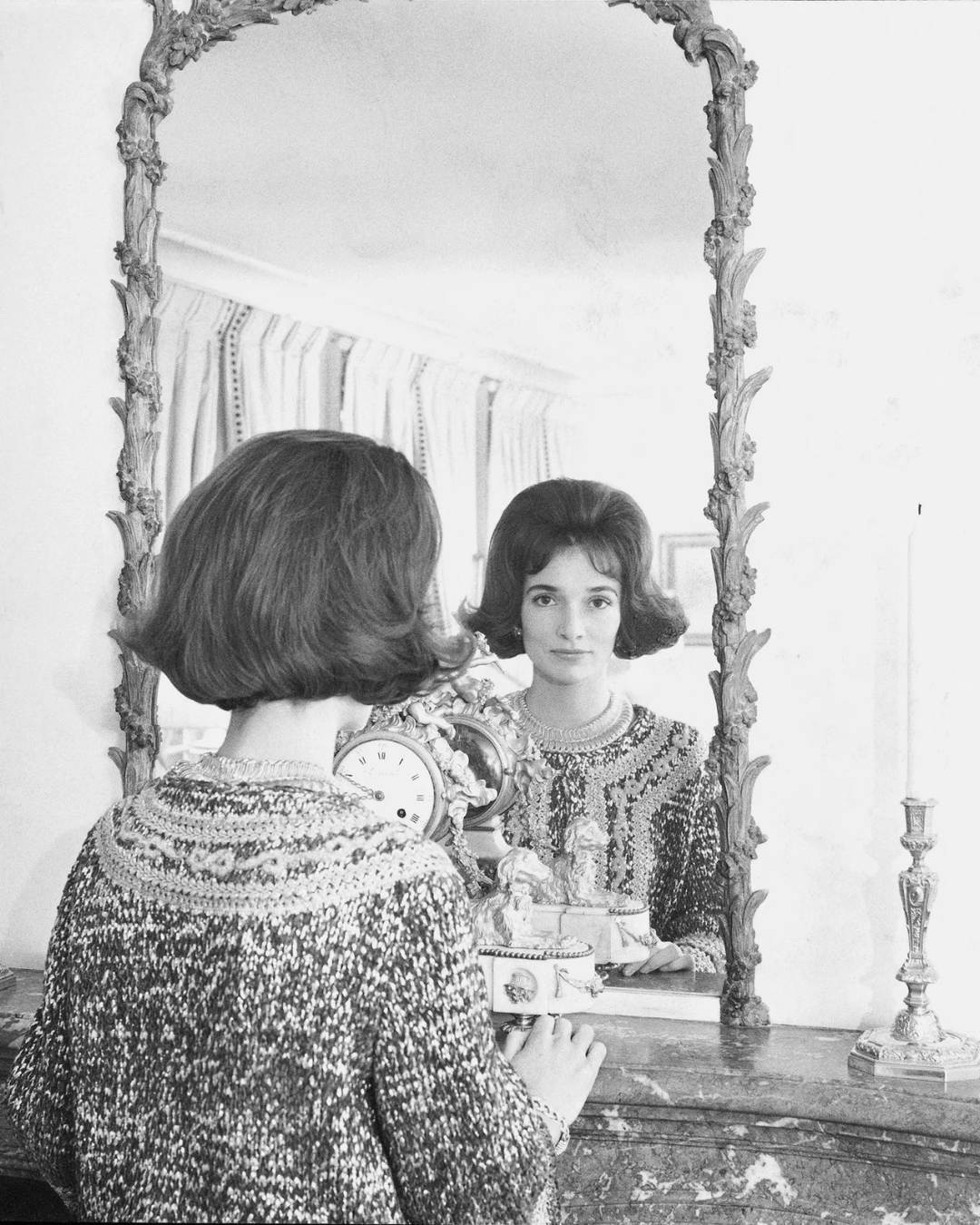
When a woman speaks through her silences, what she reveals within her private world can echo with extraordinary force. Lee Radziwill remains an emblematic figure of style and self-invention; in every phase of her life she uncovered a new facet of her identity, always surrounded by enigmatic characters eager to capture her essence.
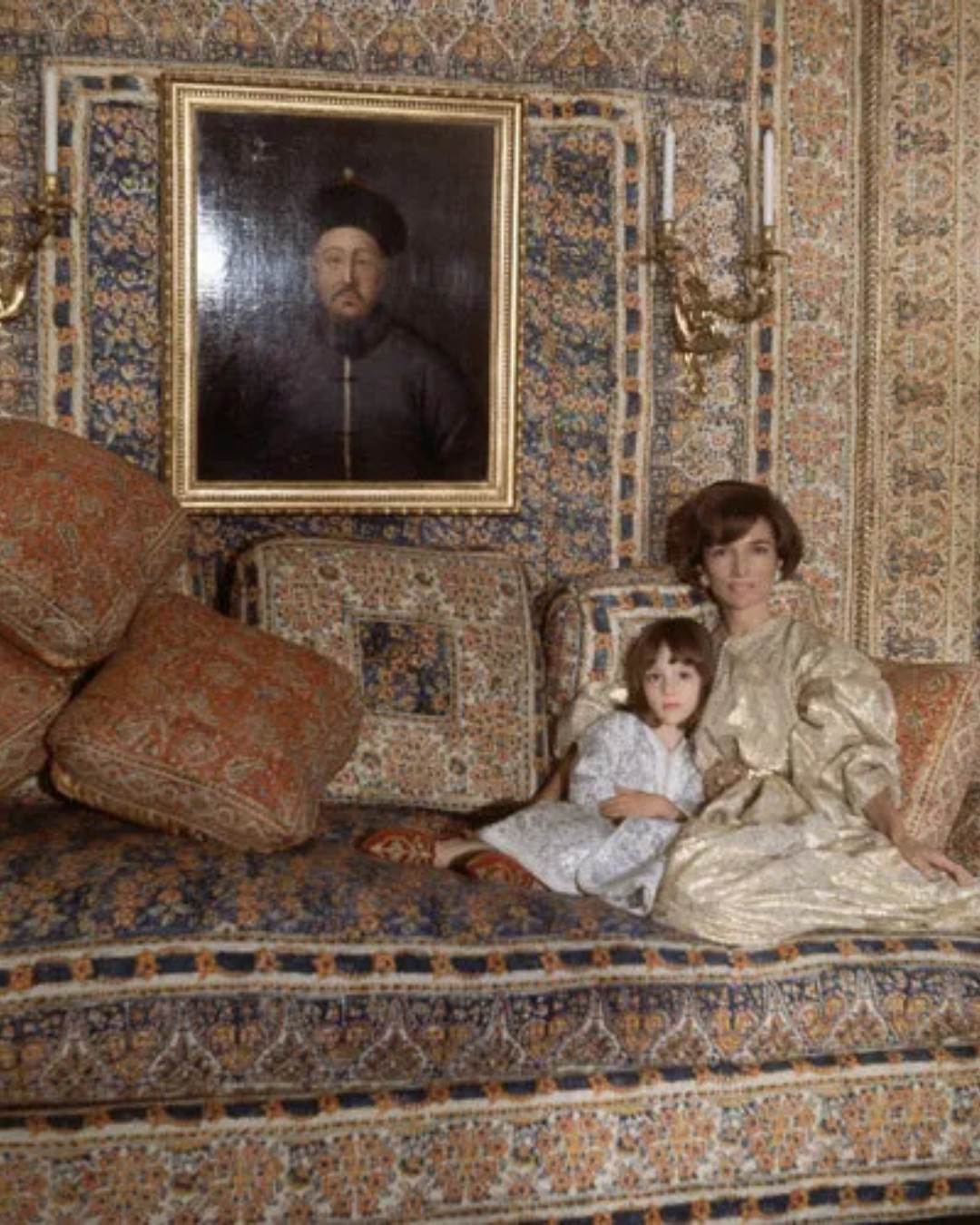
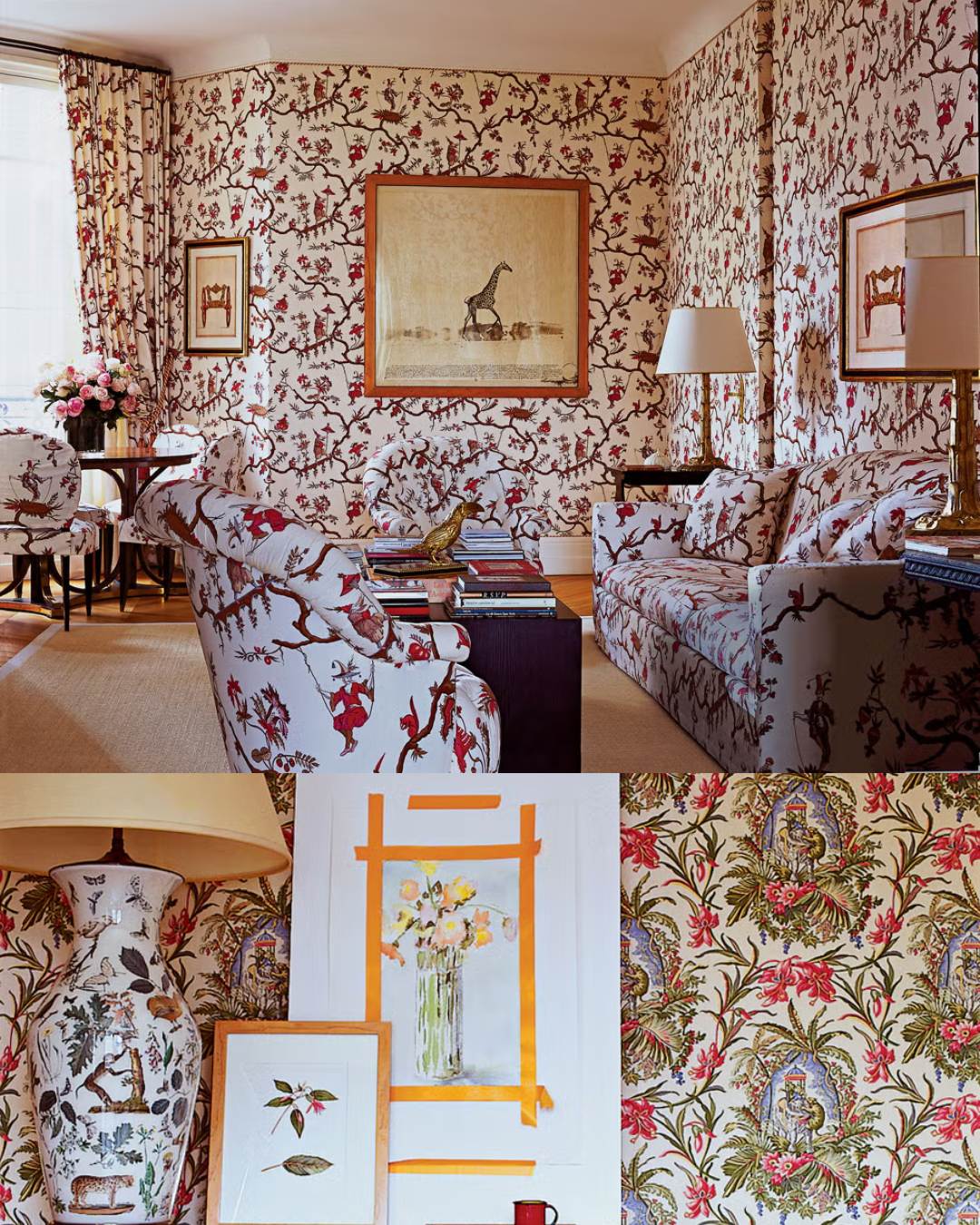
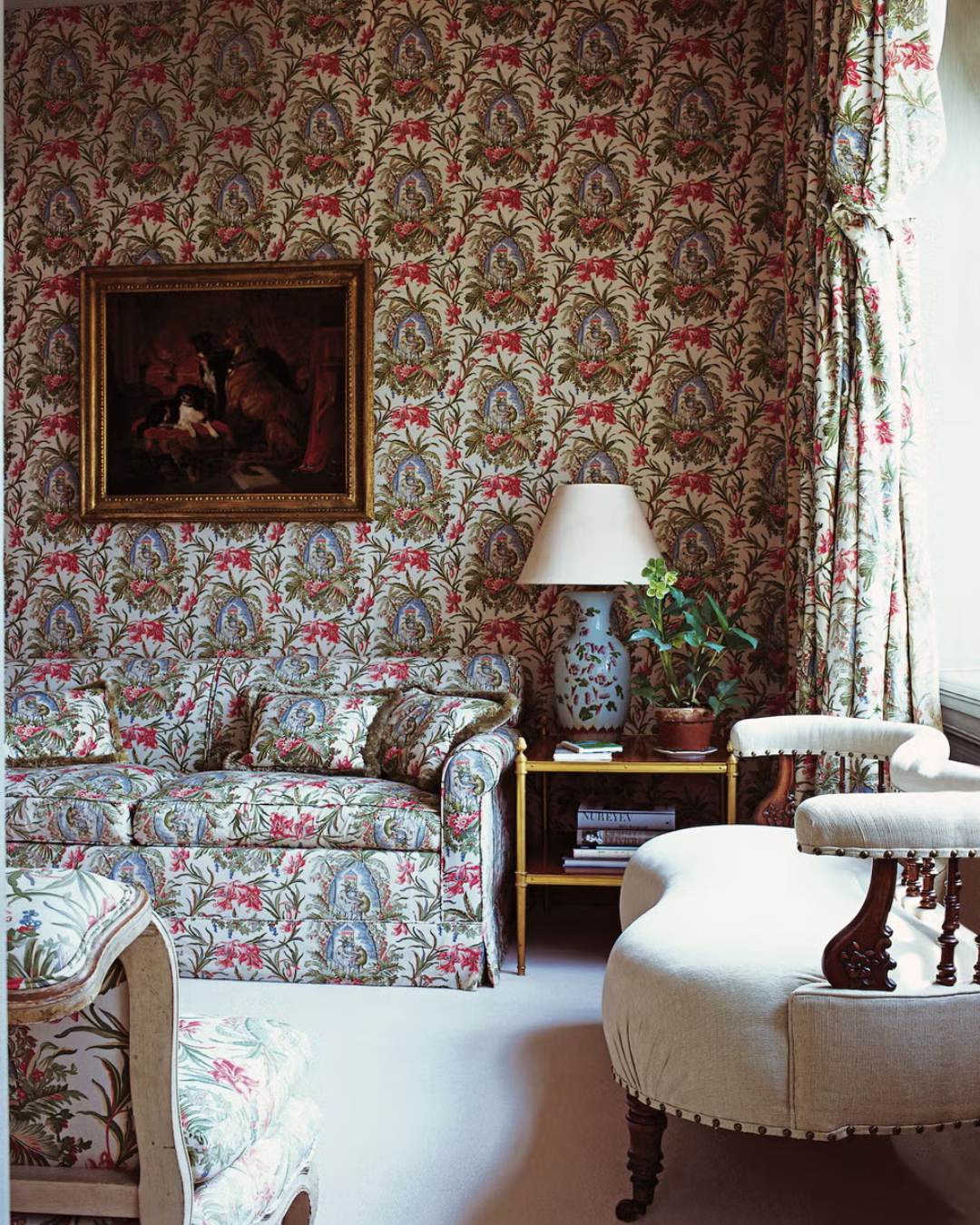
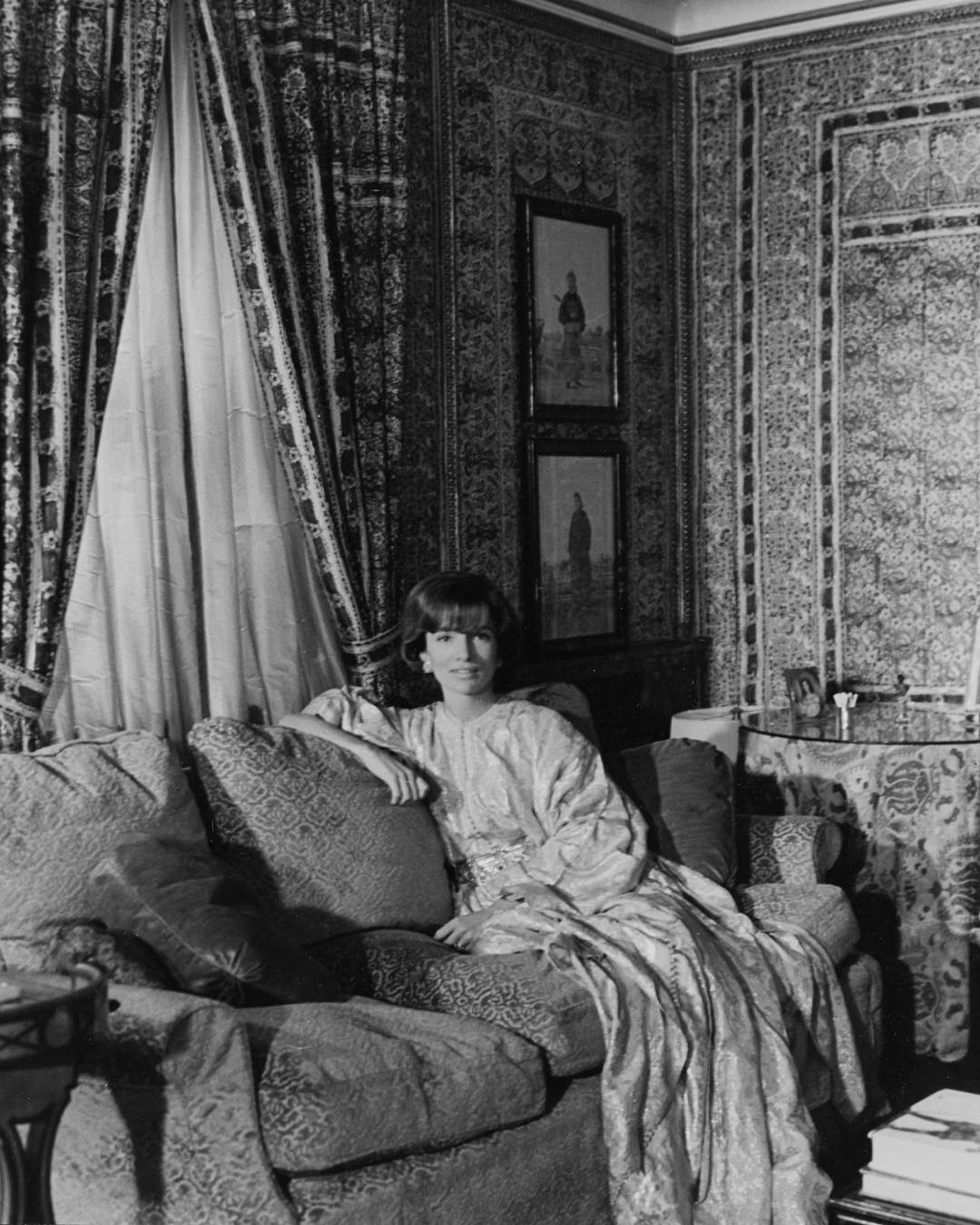
One of Lee’s greatest pleasures—interior design—reveals her impeccable taste and sophistication. She had the rare ability to interpret herself through space. Through décor, she projected her inner world and carved out a sanctuary from the rush of London life. Her mythical apartment overlooking Buckingham Palace, designed with Renzo Mongiardino, was an artistic refuge draped in eccentricity: a blend of European and Oriental sensibilities, complete with Louis XV chairs and velvet sofas crafted to dissolve into the walls, amplifying light and expanding the room. Everything revolved around a single focal point—the fireplace—conceived to make her feel like the heroine of an Eastern fairytale.
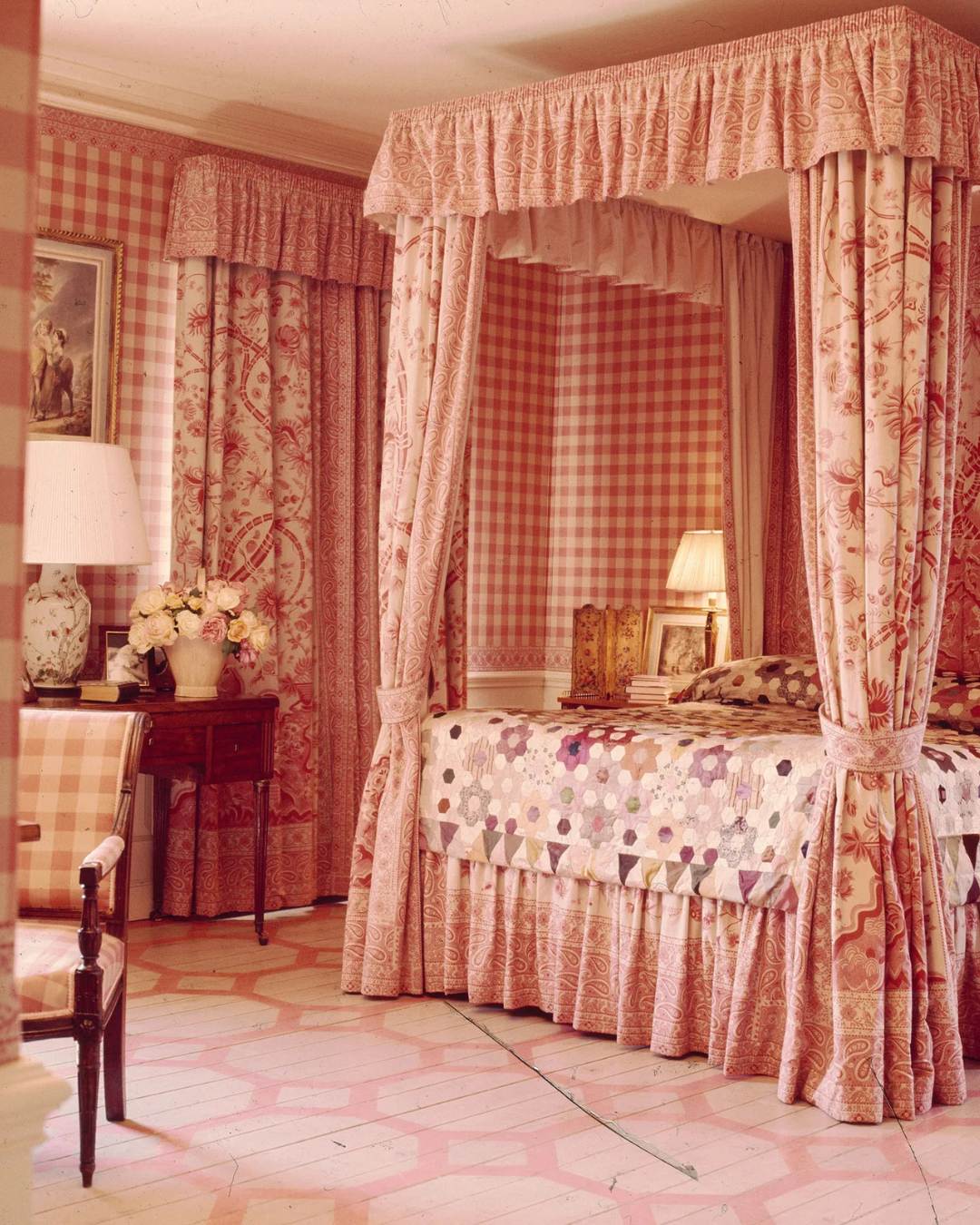
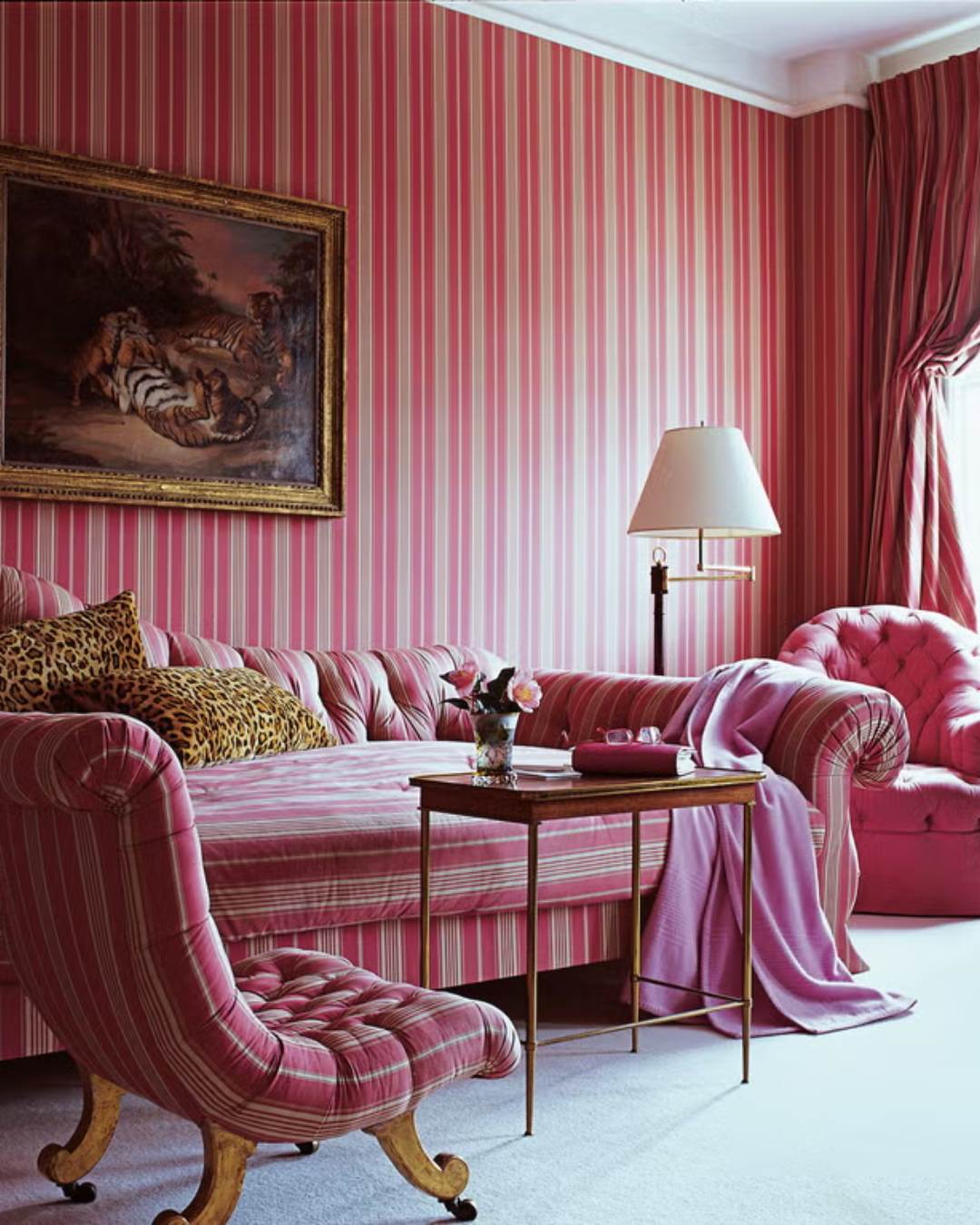
Her maximalist aesthetic—tinged with gold—extended to her bedroom, wrapped in rosy prints and ceiling-hung drapery. Each room offered an escape: a breath of countryside air, a new story steeped in culture. All of this transformed dramatically when she moved to New York. In her Fifth Avenue apartment, she embraced a more private, self-curated way of living.
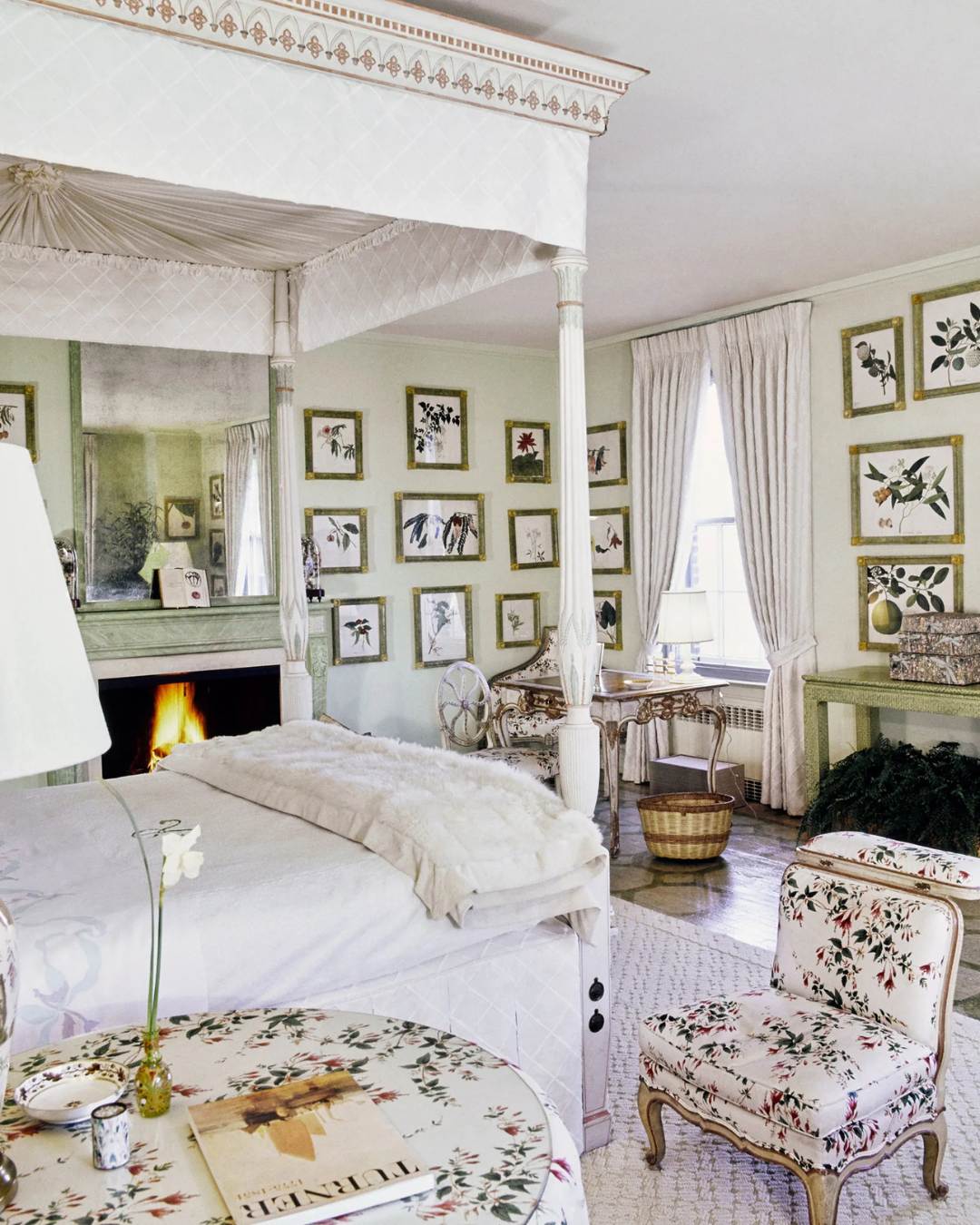
Lee abandoned the maximalism of her London period and entered an age of visual discipline, beginning with the bedroom’s rug and the Turkish objects she cherished. Here, space became essential. She used clever optical tricks to draw the eye toward eccentric pieces, always framed by generous light and her love of greenery. Even so, she kept the Turkish textiles that had won her heart—subtle reminders of a refined taste enriched by travel.
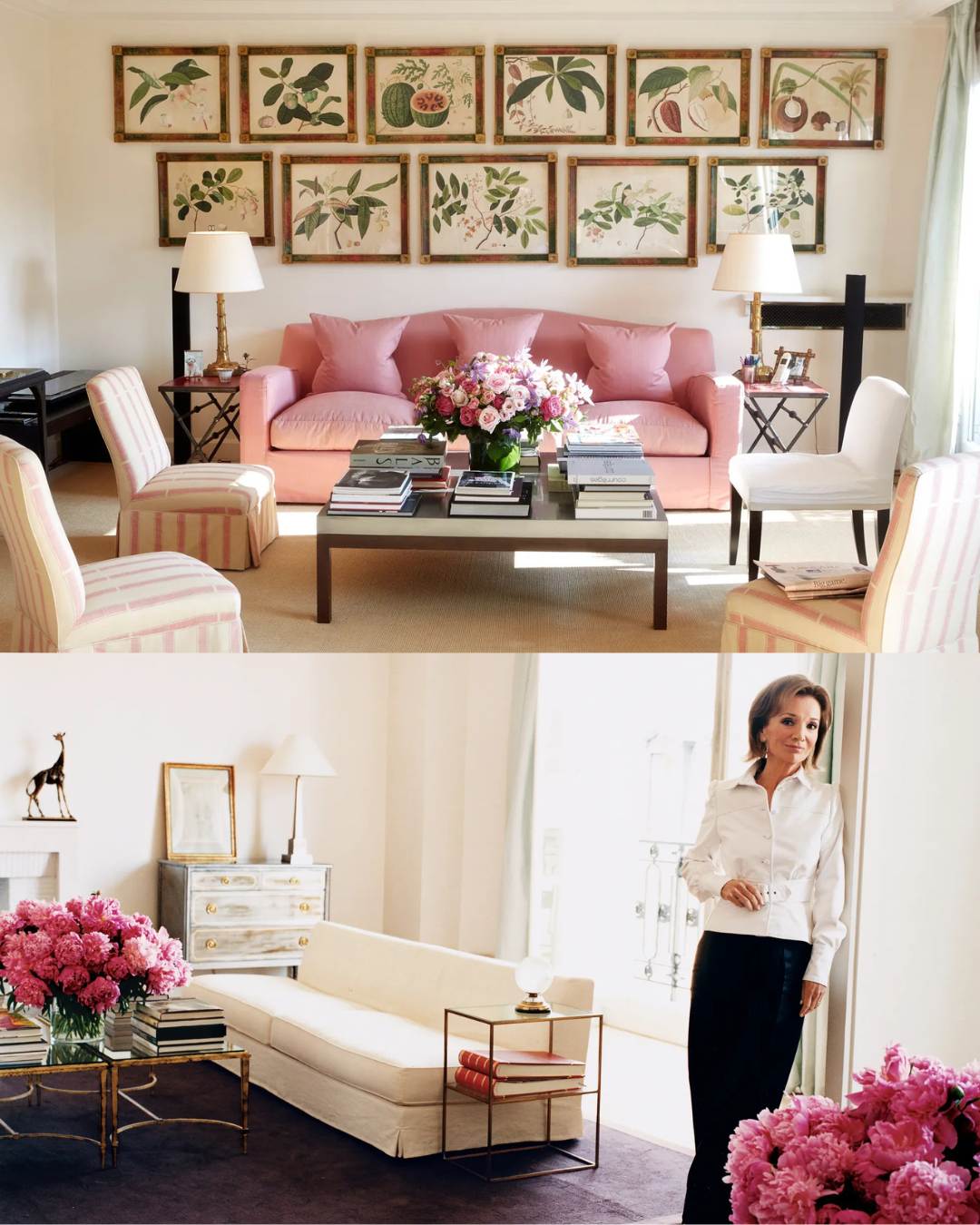
Her final apartment, in the Jardins du Ranelagh, stands as her luminous masterpiece. Every detail seemed touched by gentle, reverent light: a botanical testament, a kind of “eternal spring” set against the exterior of Paris. For Lee, transforming her home into a balanced temple was essential—a personal museum where chance had no place and where even height and color were deliberate choices.
In her last sanctuary, the exotic, collected eye gave way to something more emotional: a space that whispered luxury while resonating with her quiet strength. A place where her character upheld her, drawing a line between her soul and her physical presence. To study each of Lee Radziwill’s residences is to hear her voice in every corner—an intimate self-portrait crafted from furniture, tapestries, wilted flowers, and curious objects that guard as many secrets as she carried through life.