

THANK YOU? EMILIA PÉREZ
Dani MJ
All images Pathé Films

In recent weeks, Emilia Pérez has become the kind of movie you watch more out of curiosity than genuine interest—a film difficult to approach without some preconceived notion. Personally, I went into the theater ready to partake in this performative cold war, but it didn’t even deliver that.
This movie feels like the inevitable result of the exotification and cultural appropriation Mexico has endured in recent years—a phenomenon that has led foreigners to believe that watching narco series, visiting a market, or enjoying tequila and beaches equates to understanding Mexican identity and its complexities, as if our essence could be summed up in a single definition.
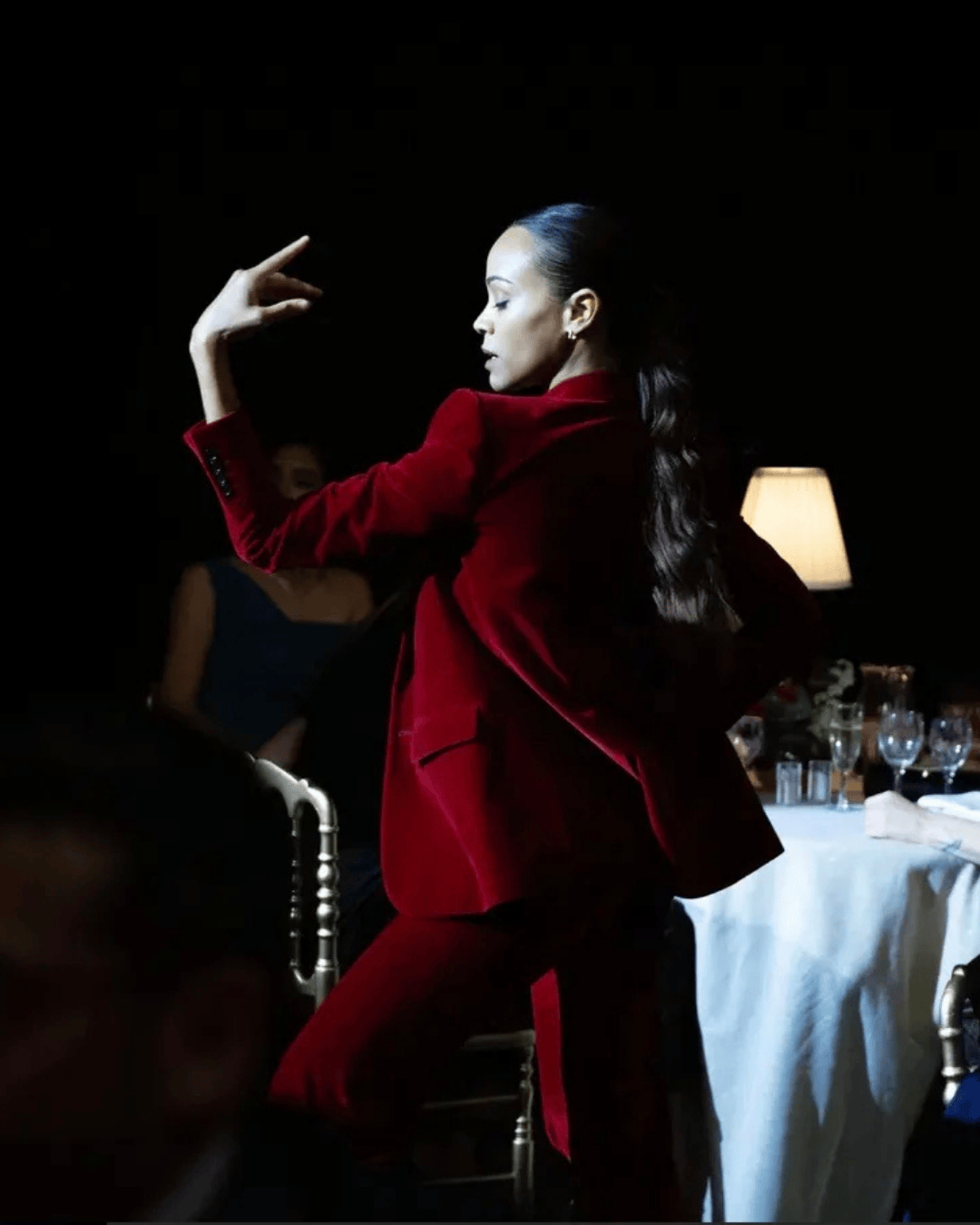
Billed as a musical comedy, Emilia Pérez faces the primary pitfall of any humor-driven work: it’s simply not funny. Yes, it does provoke laughter, but for all the wrong reasons. As for its musical aspect, the lack of rhythm is glaring, a flaw rooted in composing songs in a language different from the one they’re performed in. To make matters worse, the actors’ singing is nearly incomprehensible—something non-Spanish speakers won’t notice since they’re relying on subtitles.
The main premise had immense potential: a drug lord leaving behind a dark past to embrace their gender identity as a woman, while grappling with the consequences of such a decision. However, this is squandered within 40 minutes and buried beneath a series of absurd micro-dramas reminiscent of Mujer, casos de la vida real.
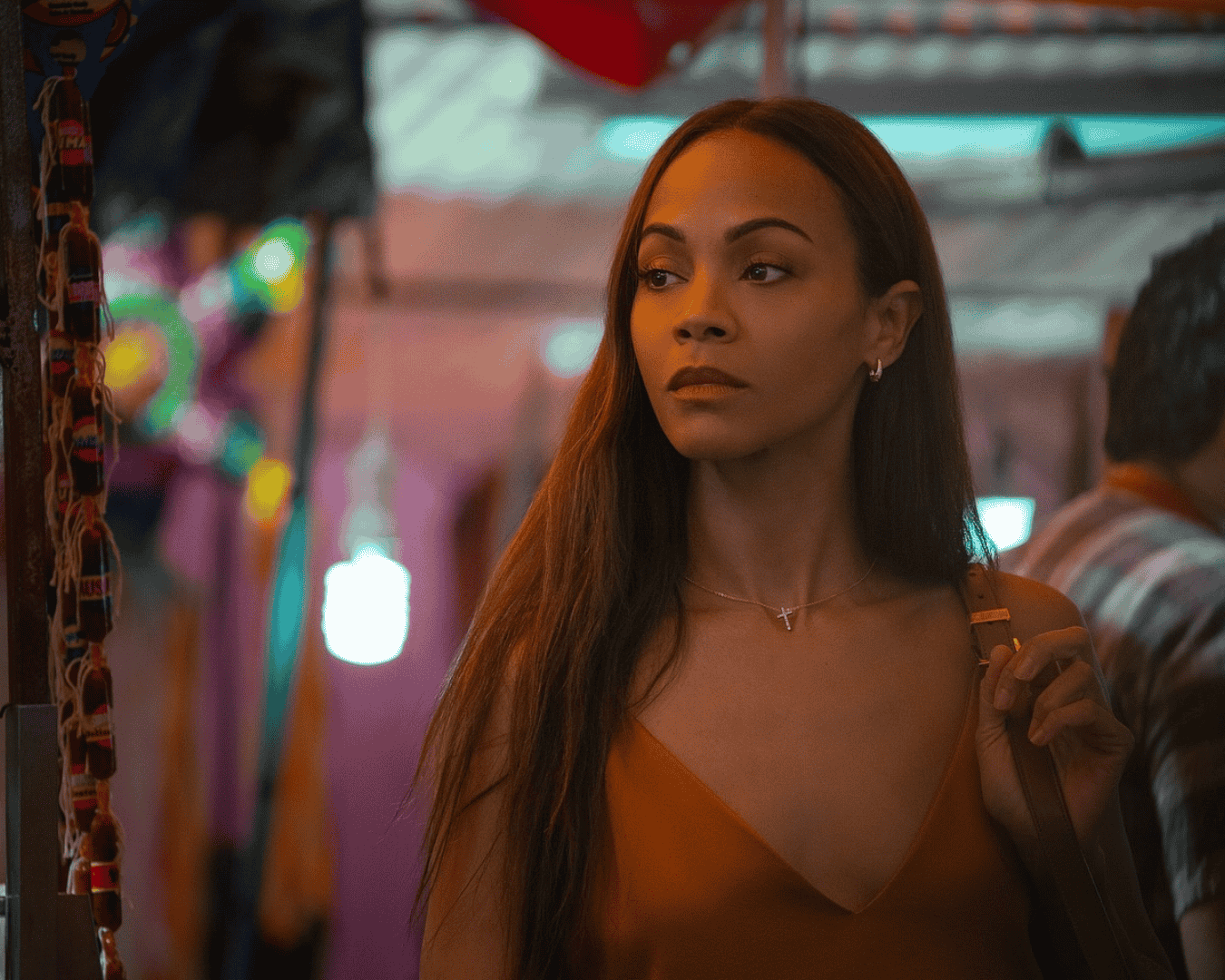
I won’t dwell too much on the obvious issues, such as the casting choices, though I will admit Karla Sofía Gascón delivers the film’s most salvageable performance. The real issue lies in how, despite the film not being grounded in realism, nothing about it feels authentic. There’s a clumsy aesthetic effort to convince viewers the story takes place in Mexico, resulting in caricature-like imagery: mariachis adorned with LED lights open the film, the Virgin of Guadalupe is visually abused to the point where Emilia herself is depicted as one, close-ups of Tajín chili powder are used for no reason, a sample of “se compran colchones” is thrown in, and lines like “my dad smells like guacamole” abound. These elements, while novel and entertaining for foreign audiences, come across as absurd and stereotypical for Mexican viewers.
Mexicans don’t need another movie attempting to explain corruption and violence in our country; we live it daily. If we want to see it in fiction, we already have directors like Alejandra Márquez, Fernanda Valadez, Tatiana Huezo, or Fernando Frías doing it justice. What we don’t need is a group of outsiders portraying our reality through a superficial lens.
One of the audience’s biggest misconceptions is assuming that films are “reflections of society” when, in reality, they’re personal perspectives from directors. The issue with Emilia Pérez is its arrogance and appropriation of a topic handled without even the slightest respect or empathy.
The problem isn’t Selena talking about her “pinche vulva,” nor is it Karla’s performance, or the challenge of taking the film seriously due to the actors struggling with Spanish. The issue is the imposition of this film as a supposed truth, expecting gratitude and recognition simply because it’s in the international spotlight. Worse still, any negative criticism is dismissed as ignorance or hostility.