THE DIFFERENCE BETWEEN A CREATIVE DIRECTOR AND A FASHION DESIGNER
Select Ishtar
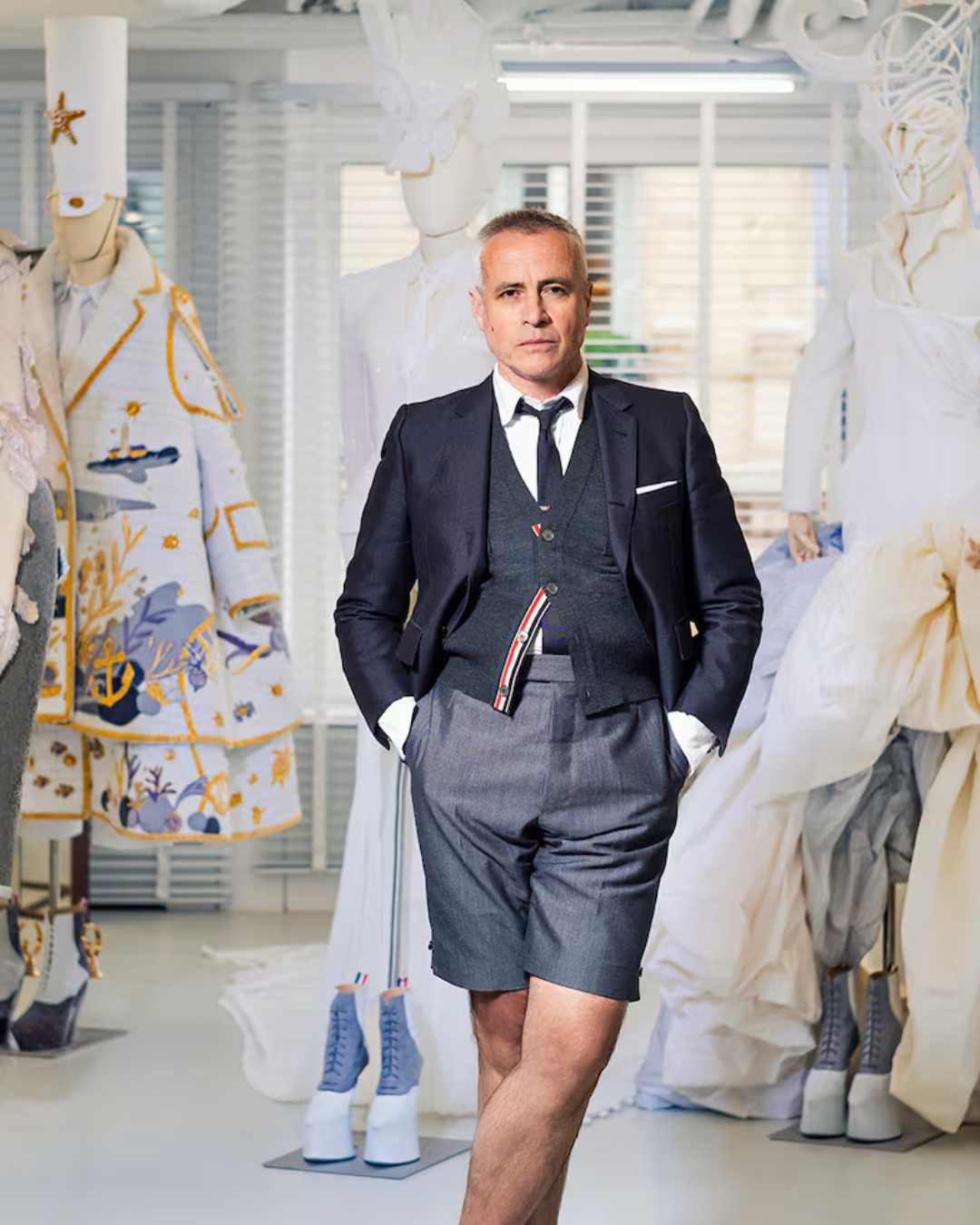
Thom Browne, John Galliano, Glenn Martens, Karl Lagerfeld, Alexander McQueen

As Fashion Week approaches, with its first glimpse at the trends that will dominate style, the colors to wear, and the textile techniques to develop or learn if you're immersed in design, you might wonder who the person is that walks at the end of the runway and how they differ from fashion designers. Let's unravel this mystery in today's article.
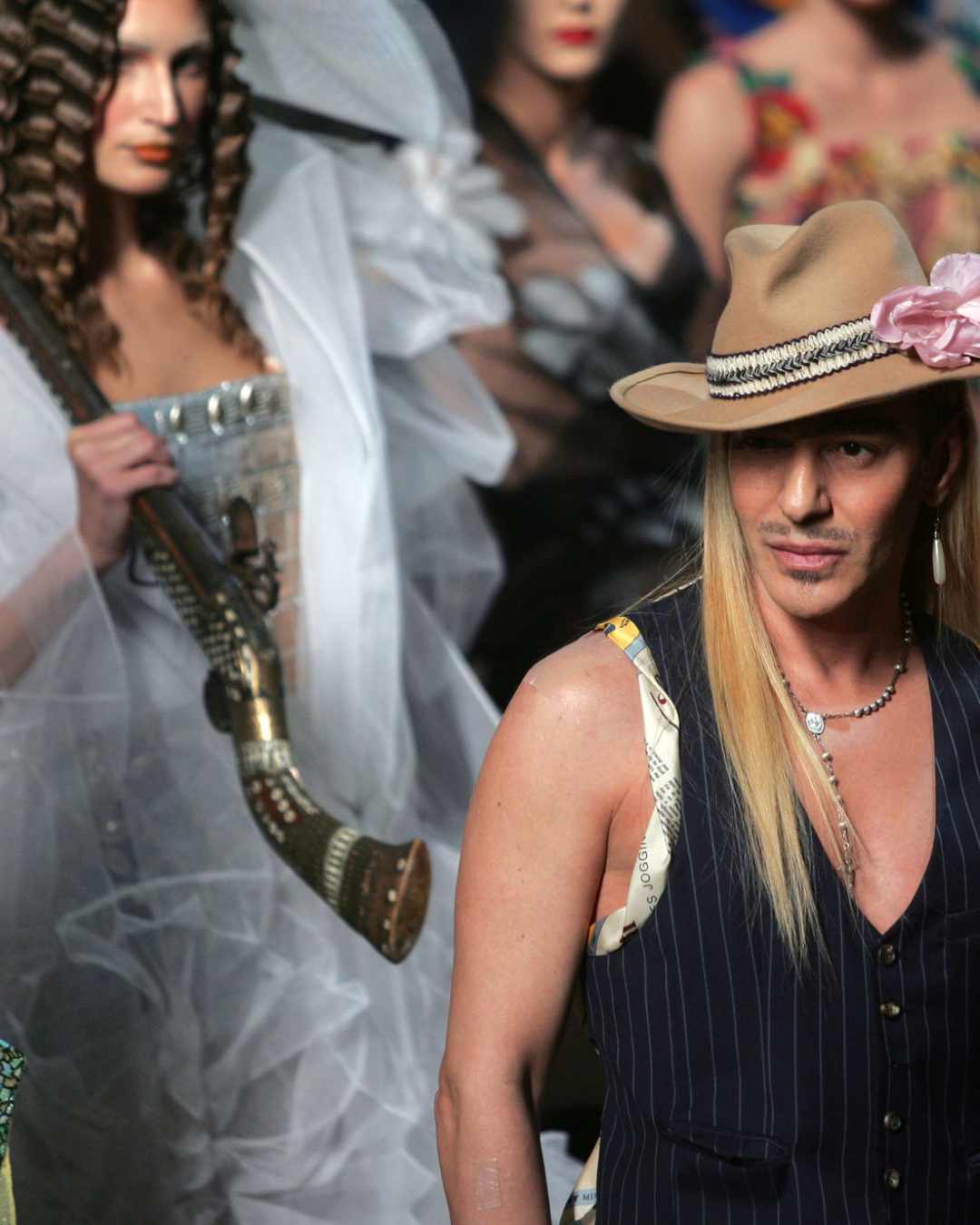
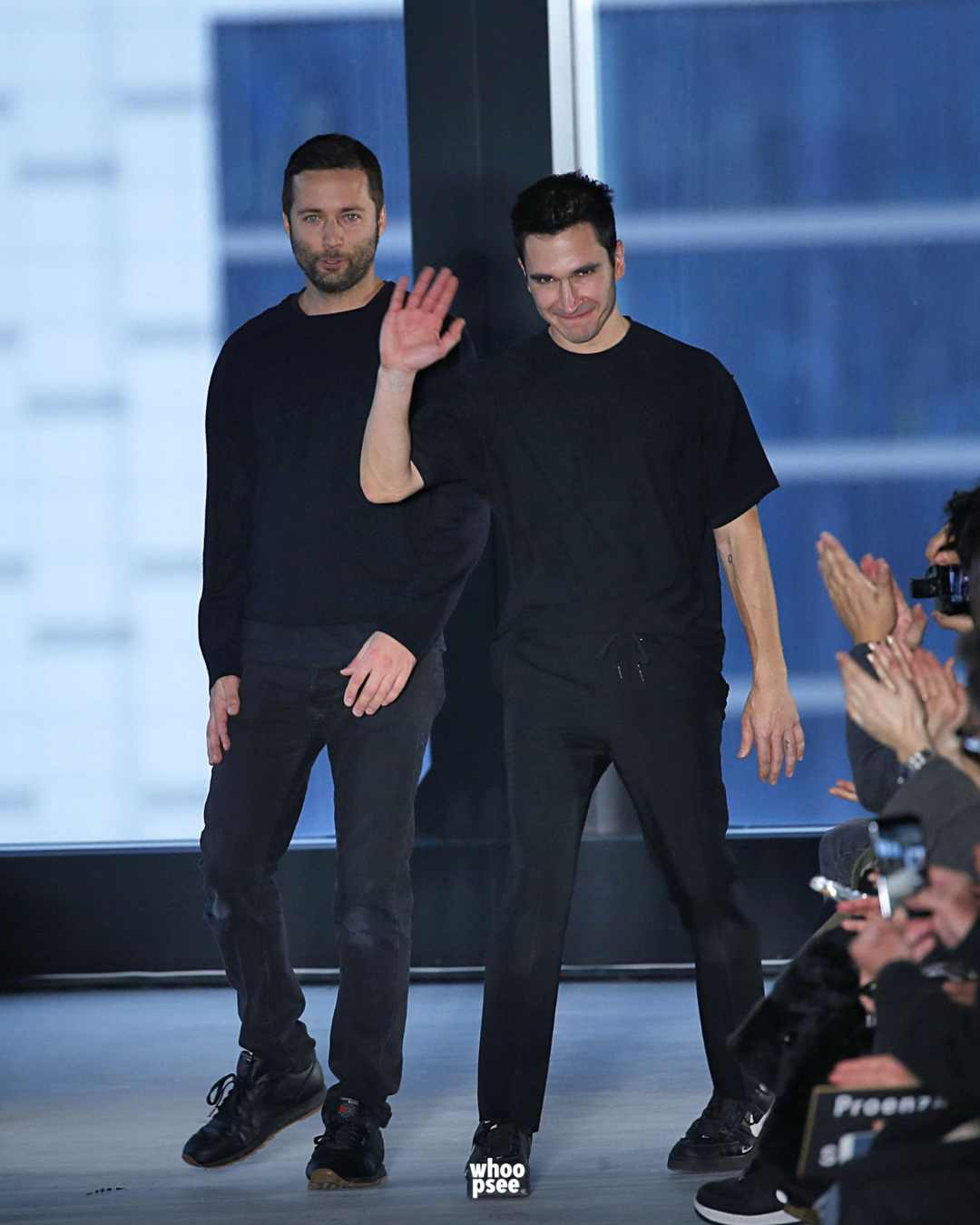
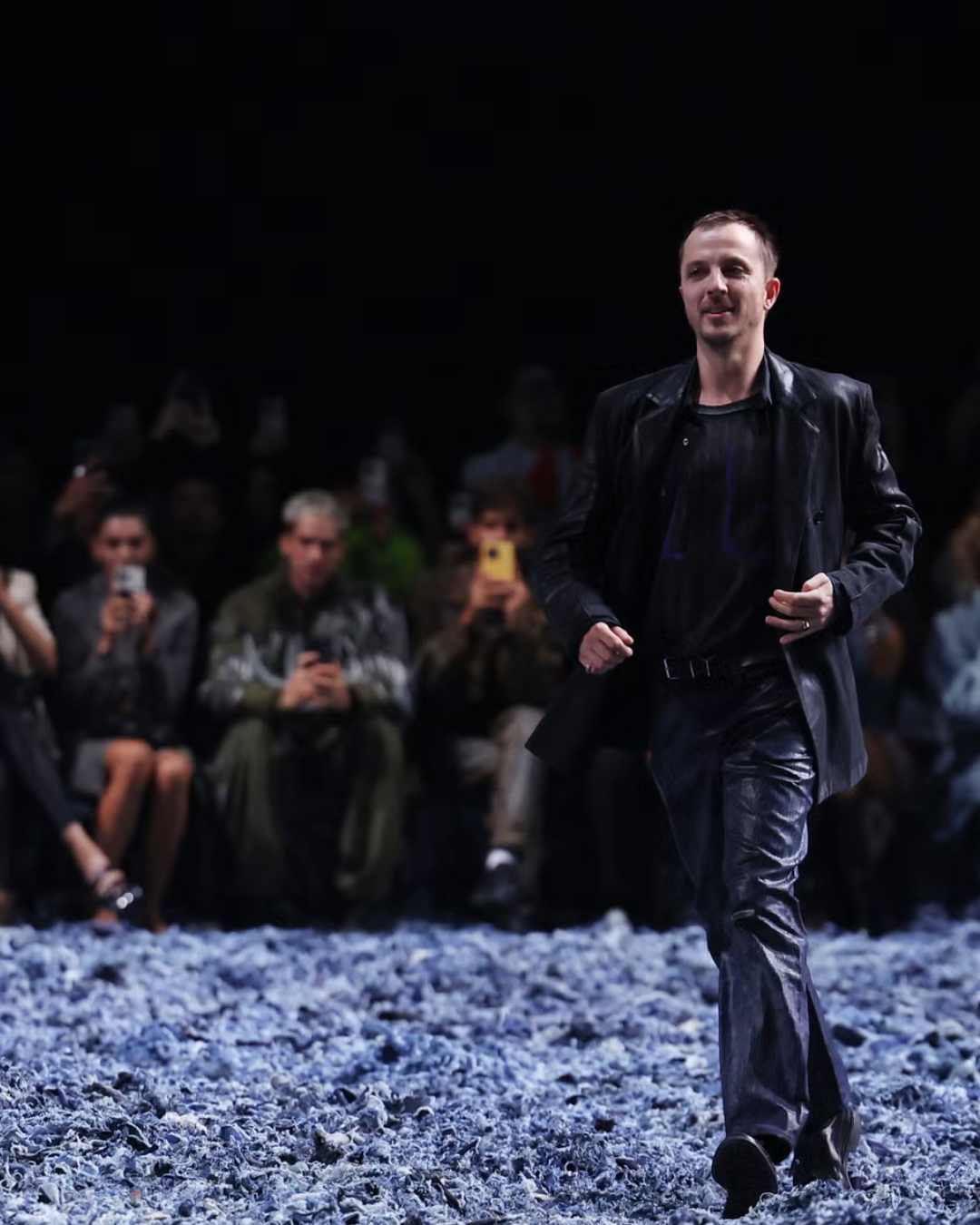
You're probably familiar with the term "creative director" and associate it with names like Karl Lagerfeld, John Galliano, or Glenn Martens and their role in driving fashion houses such as Maison Margiela, Chanel, and Diesel. But have you ever wondered what happens after an idea is born and who is involved in bringing it to life?
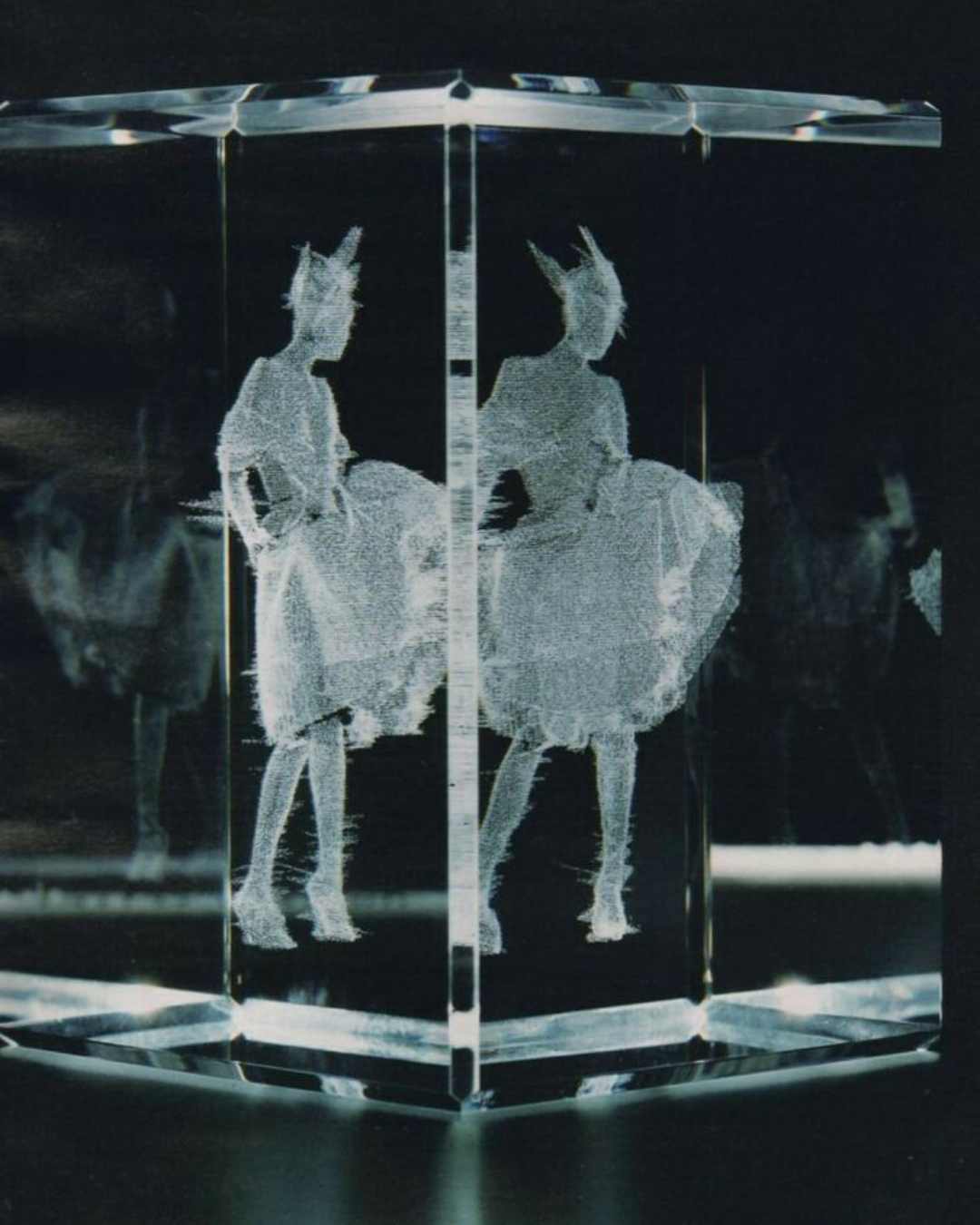
The first step in creating a fashion collection is having an idea that can be developed into a wide range of garments. For example, Alexander McQueen found inspiration in a sculpture on his way to work to develop "Joan." After the idea, it's time to capture it in references, both inside and outside of fashion: sculptures, paintings, colors, or silhouettes, in the famous mood boards.
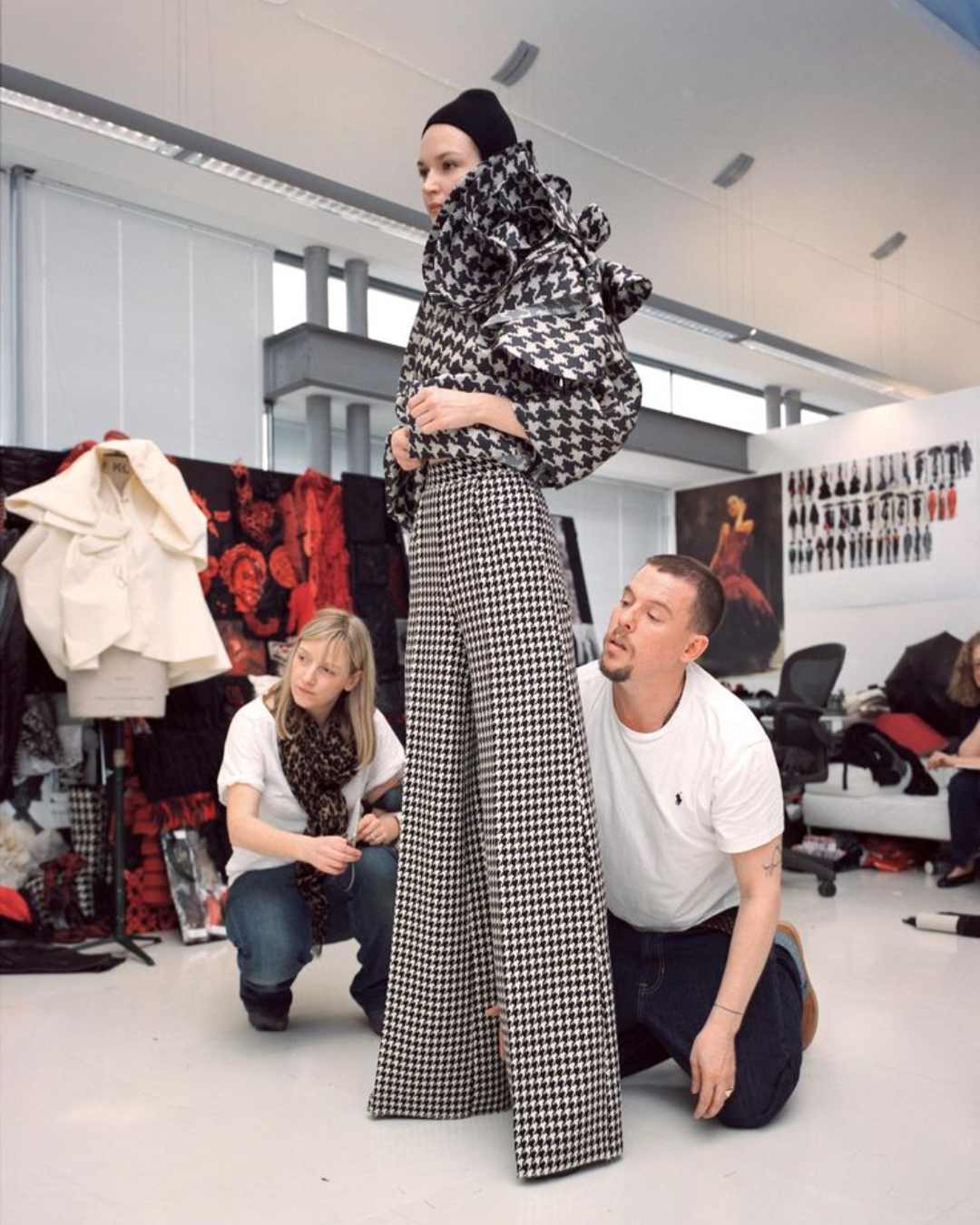
This is where the materialization process begins. There are cases of creatives who are also designers, like McQueen, who could pattern a dress just by looking at his model; or those who don't necessarily have that skill, like Ralph Lauren, who never got involved in the construction or pattern making. A creative director doesn't need to know the technical aspects because they are responsible for conceptualization, trend research, garment coherence, marketing coordination, and overseeing photo shoots and runway shows.
The role of a creative director is to lead their team in maintaining the brand's coherence with the industry's strategic vision. It's about bringing their concept to success, ensuring that each garment aligns with the main idea and, in turn, responds to global preferences or, alternatively, innovates and proposes something new.
The fashion designer, on the other hand, translates the mood board into linear sketches that can be transformed into sewing patterns. A designer must be able to turn the abstract into the physical and has the technical skills to help choose fabrics and decide on the techniques to be used, from hand sewing to upcycling, braiding, and more.
The process of creating a fashion collection is carried out in conjunction with the fashion designer who, in turn, directs the pattern makers, seamstresses, production managers, samplers, etc. The director ensures that each sample, progress, decoration, or application aligns with their idea, so they can intervene at any time until the runway show and ensure that the final adjustments, makeup, hairstyle, and styling are perfect.
It's fascinating to see the work behind a runway show. It's usually months of hard work, rejecting sketches, learning about patterns, and it's important to know that most garments must have complete patterns to replicate for customers. Nothing is by chance; it's all teamwork and an impressive synergy among the members.