FASHION 101: A COURSE FOR THE INEXPERIENCED
Kevin Gorian
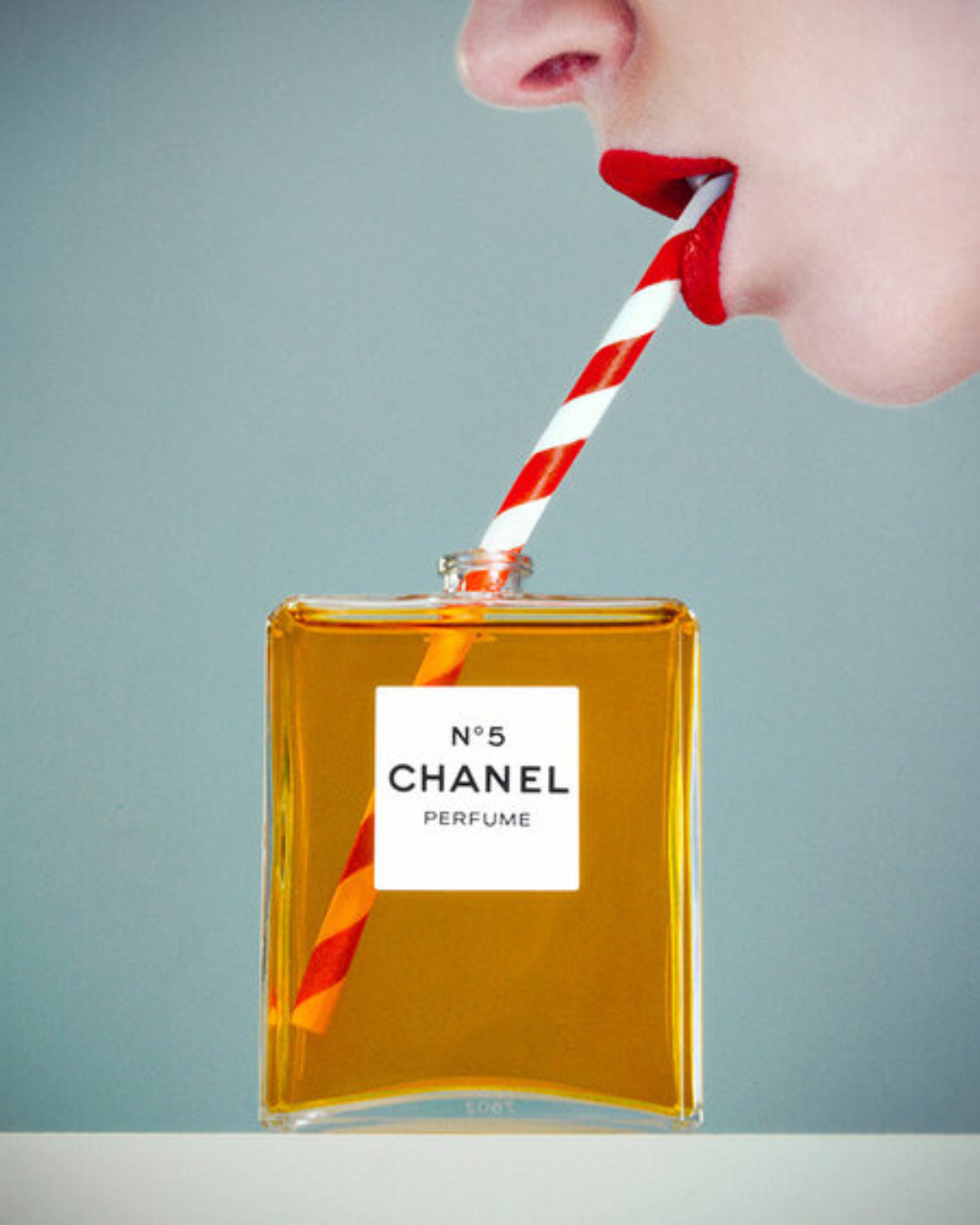
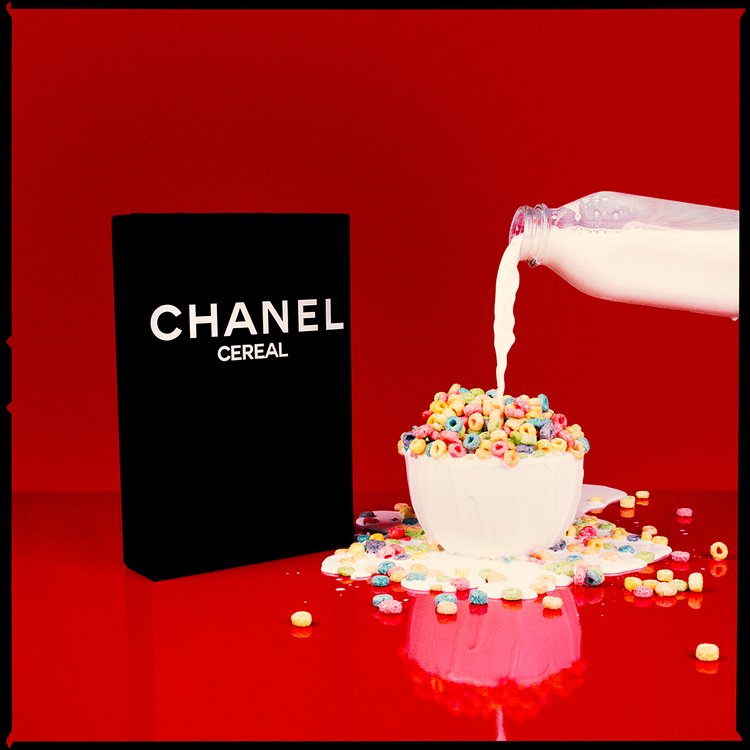
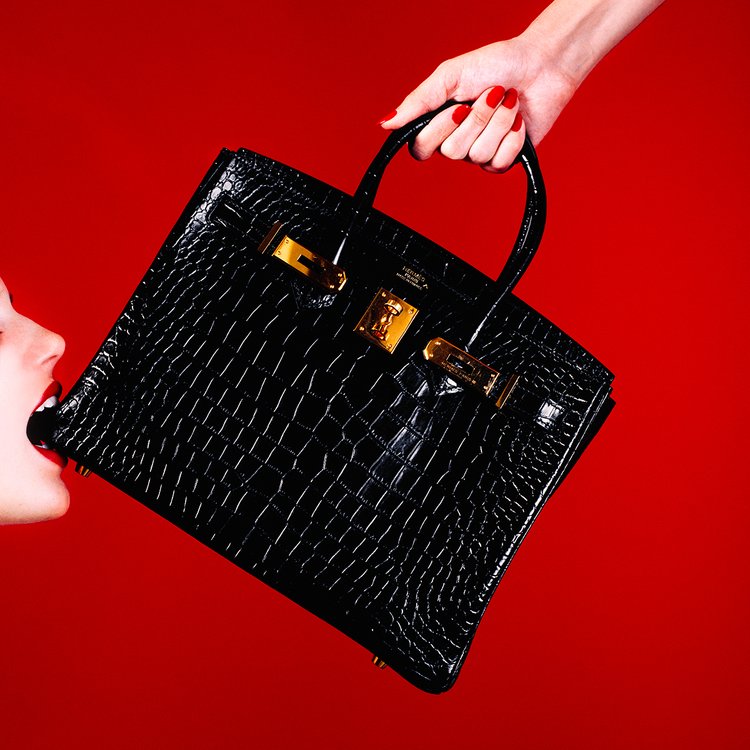
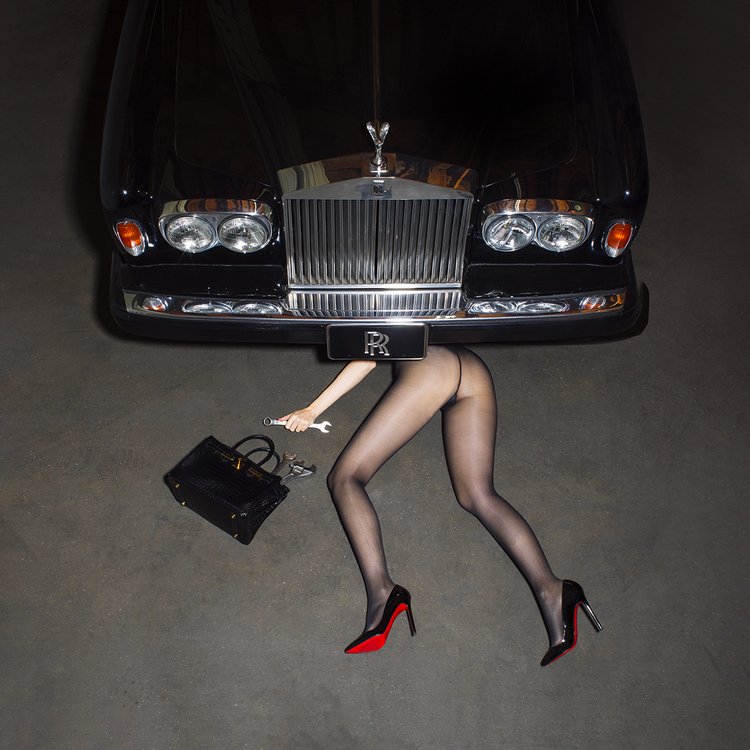
All images TYLER Shields.

Welcome, creatures, to Fashion 101, a column that aims to explain the world of fashion with apples and pears: easy, simple, with humor.
"Fashion." Such a... curious word. We use it for so many things: to talk about how we dress, to describe what’s trending (whether it’s a certain pair of shoes, a song, a movie, or a way of expressing ourselves), and also to talk about a gigantic industry—the second most polluting one in the world, just behind the electric sector. It’s a veritable paradise where pairing tartan with animal print is a cardinal sin that could earn you a place in fashion hell, right next to the spot reserved for Alexander Wang.
The Oxford Dictionary defines fashion as "a popular style of clothes, hair, etc. at a particular time or place; the state of being popular." I, a mere mortal who, until five years ago, thought Chanel was just a misspelling of “channel,” define it as “a universe of complexities beyond my understanding” or, sometimes, as “the reason I keep spending on unnecessary video game accessories.” Other times, it’s what “lets me explore the possibilities of beauty and the passion
for craftsmanship,” “a universe of creativity, love, and wonder,” or even “what keeps me in constant stress and anxiety” (all in the best sense, of course). My definition may change depending on the time of day you ask. “Why would I even ask you?” you might wonder. I don’t blame you. I don’t know. I’ve been at this for a little over 1,826 days; a blink compared to the eternity Anna Wintour has spent with her soul tied to the white walls of Conde? Nast’s offices.
So yes, who am I to tell you about fashion? Am I an expert capable of justifying the choice of a ruffled skirt over a draped one? A stylist who can judge a creative director’s decisions? Not exactly. I’m (was) a student of communication and film who became a videographer, photographer, and writer, and the first time I stood in front of a Gucci backpack, all I could think was, “Hmm. What a strange color combination, I’d never wear it.” And I still wouldn’t— but for reasons more related to my bank account than my taste (like everyone, I adored Michele; I chased him through the streets of Milan to get a photo with him). I’m someone who has learned about threads and fabrics through hands-on experience and has come to appreciate every detail involved in this delicate, almost unreal mechanism.
So yes: my journey in the fashion world began four years ago when, by chance and luck, I arrived at this magazine, back when “all of this was just fields”—when it was still just a blog run by two siblings, Sira and Alex, who had decided to devote their lives to a sector of human existence I never thought I’d be part of. Through them and through the people I’ve met across long hours of planning, photos, videos, makeup, and hairstyling, I discovered an almost absolute truth that challenges what the general public tends (or tended, I’m not quite in sync with today’s youth) to think about this industry: fashion is utilitarian art, or, as Matthieu Blazy would say (more about his work at Bottega Veneta than about fashion in general, but I’ll allow myself to quote him out of context): “craftsmanship in motion.” It’s not the trivial thing we might think it is if we just peek in from the outside, criticizing while we feel like anarchists decked out in Vivienne Westwood, children of counterculture sipping Starbucks.
Over these years, I’ve learned to see beyond the surface; it hasn’t been easy. My first big challenge was understanding the fashion calendar: 2022 being presented in 2021, the Cruise collection, Pre-Fall, now in Paris, then in Milan, then Morocco, and later Beijing... Truthfully, as a mere mortal familiar with cameras and films and Lasswell’s hypodermic needle theory, I’ve pieced together an understanding from the fragments I’ve gathered. And, well, when I stepped onto this stage (because, let’s be honest, we’re all part of a grand play selling dreams), I would’ve loved to have had a more solid script—one to explain, in beginner-friendly terms, everything everyone around me seemed to already know: if the brand is called Saint Laurent, why is there a Nicolas Ghesquie?re behind it? If it’s summer, why am I looking at winter? Why is this on trend, but not that? Is fashion really cyclical? Why do the cuts in silhouettes (the clothing) represent society’s economic status? There were so many questions, and the answers seemed so close, yet so far. When you’re in a place where these basics are assumed knowledge and everyone else seems to know what’s going on, you can’t let them see that you don’t. Or can you?
For a long time, I’ve been mulling over this “column” or “section” or whatever you’d like to call it. This “class taught by a non-expert,” a basic guide for people with questions they’re afraid to ask or who are simply curious about what it’s like to be inside (or as inside as I’ve gotten) the world of glamour, illusion, and yes, big ideas, effort, and passion.
As Miranda Priestly explained in that now-iconic speech to Andy, no one is exempt from the world of fashion. Even if we’re not directly involved (working as photographers or creative directors, designers, assistants, or whatever comes to mind), the clothes we wear are chosen for a reason, and there are processes behind them, processes that tell our stories and those of others. There are creative teams and difficult decisions; alliances and betrayals; supply chains and labor; great entrepreneurs and great falls; ideas, dreams, desires.
What is this, ultimately? My guide to the world of fashion. A friendly hand that, through its own experiences, through interviews, videos, and images, will try to make it all simpler, to explain in plain terms what lies beneath the surface of this turbulent ocean. The yeses. The noes. Calendars. Structures. Brands. History. Fashion Weeks. Collections. Simple. Straightforward. Fun?
It’s fashion for beginners, explained by a not-so-beginner anymore.