THE ILLUSORY STILLNESS: PILAR ZETA MATERIALIZES QUANTUM MECHANICS IN HARMONIC OSCILLATORS
The Walk
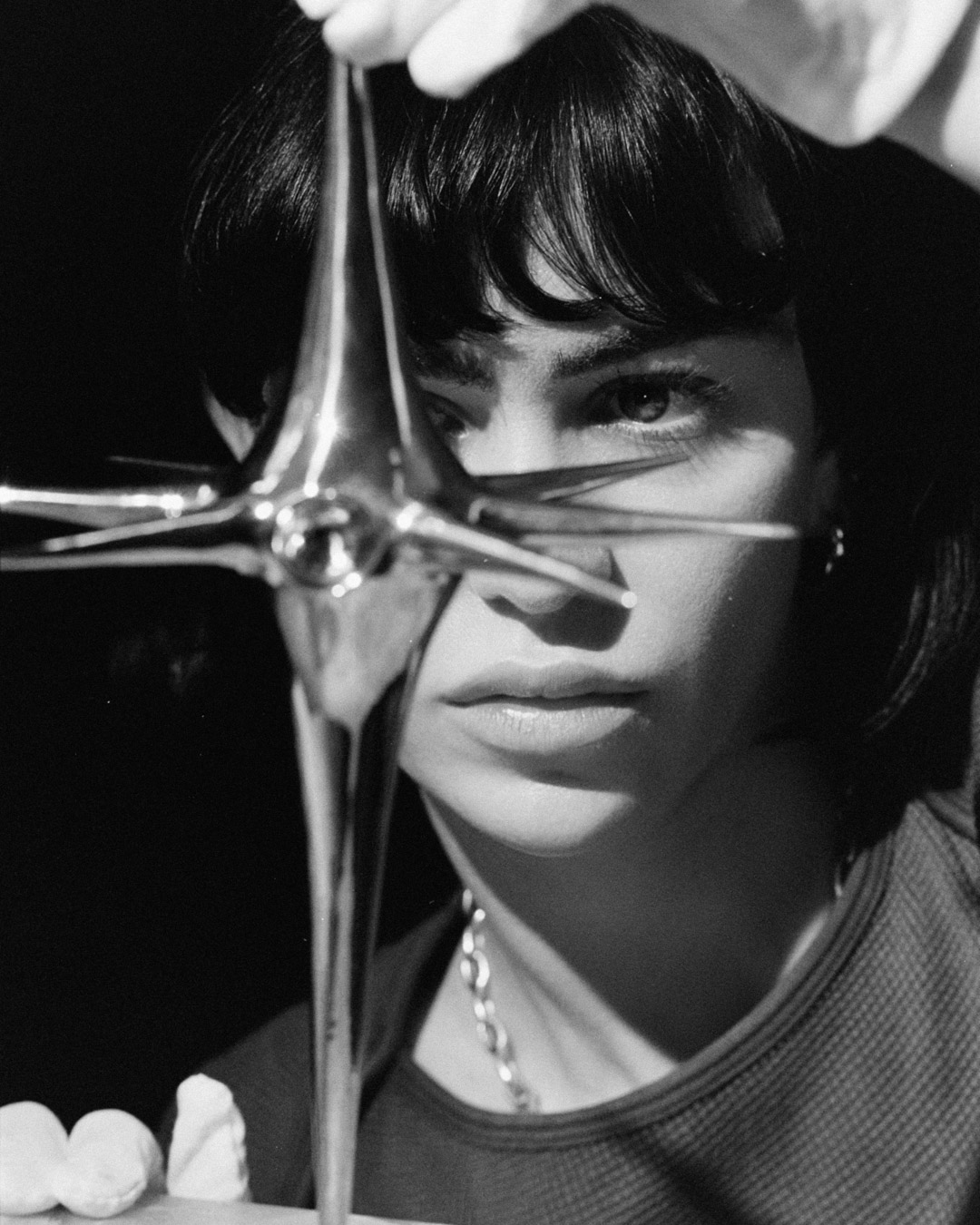

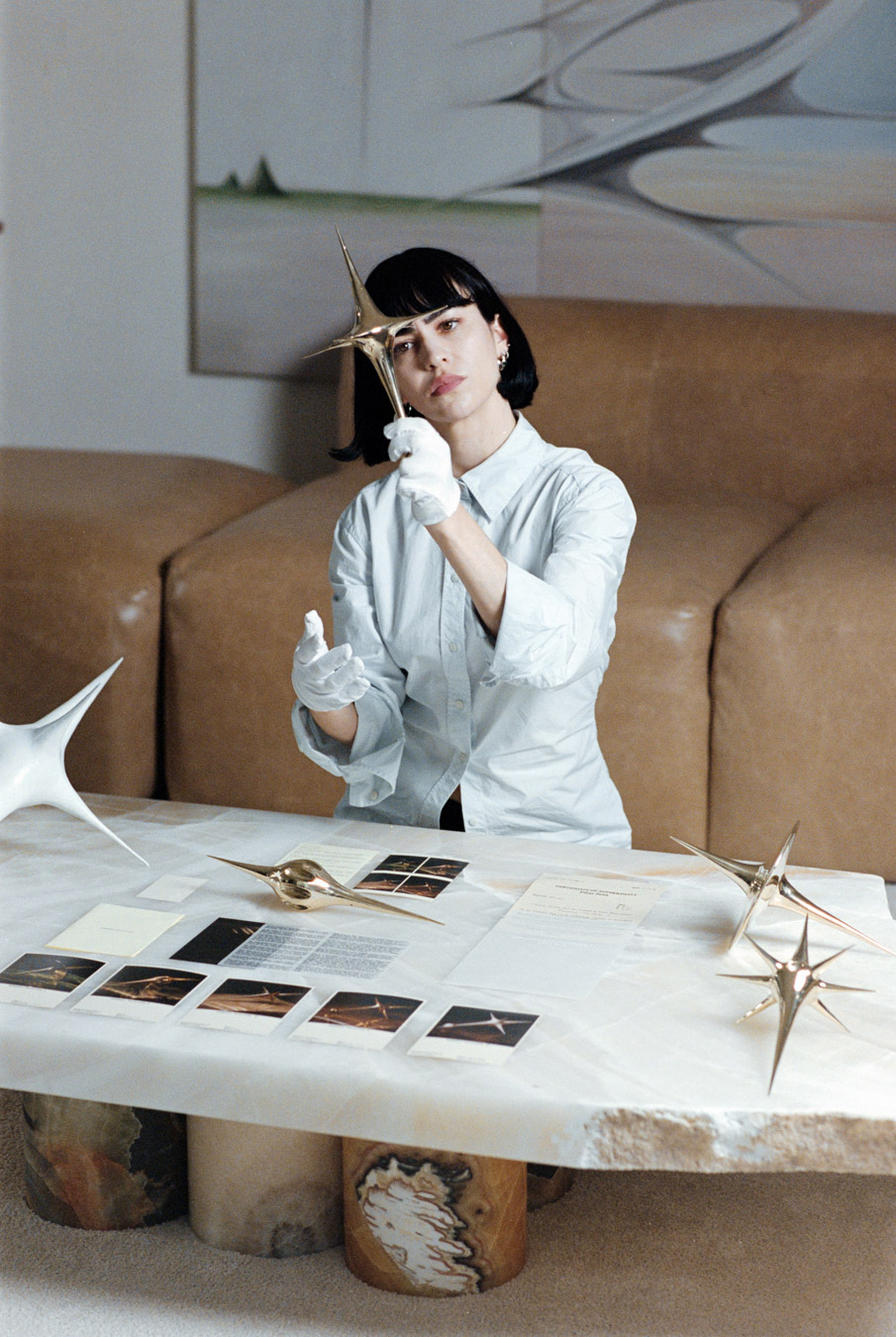
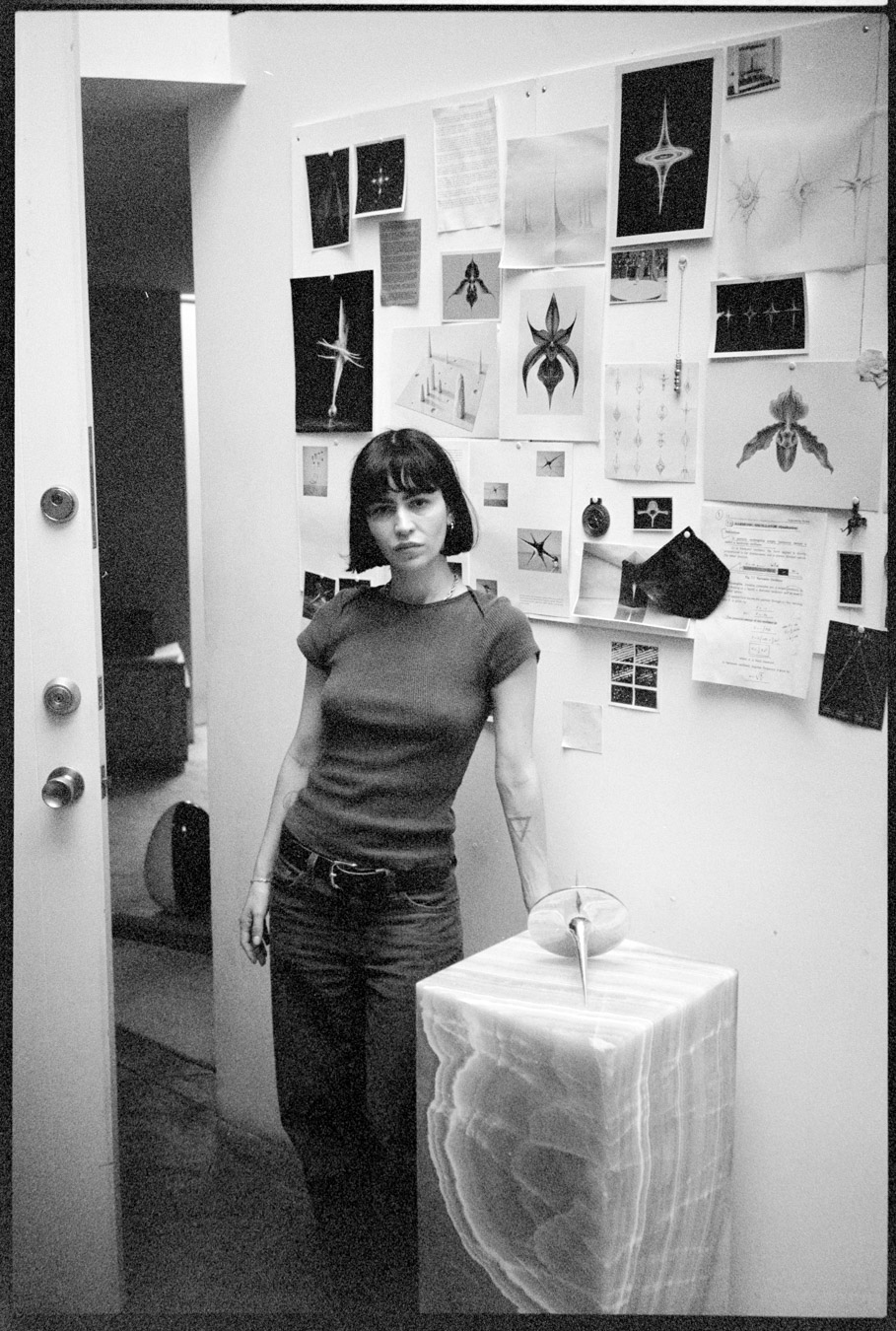
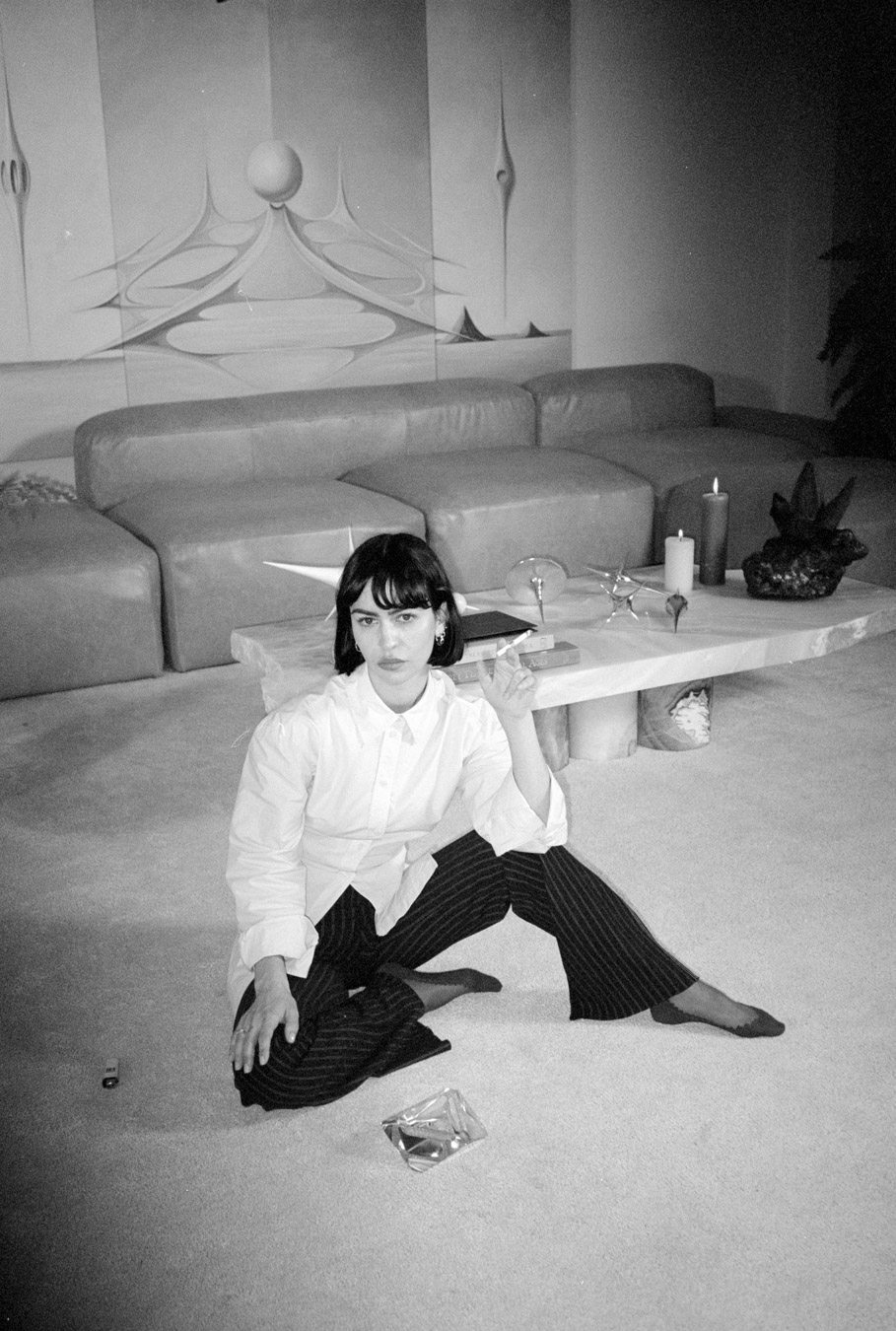
Absolute stillness is, in reality, an illusion. Even at its lowest energy state, quantum mechanics warns us that a system always retains zero-point motion. It is precisely in this imperceptible tension that artist Pilar Zeta has decided to anchor her new sculptural series, Harmonic Oscillators. Taking its name from a fundamental model in physics, the work explores that exact threshold where invisible forces and tangible forms converge, constantly blurring the line between the natural world and speculative technology.
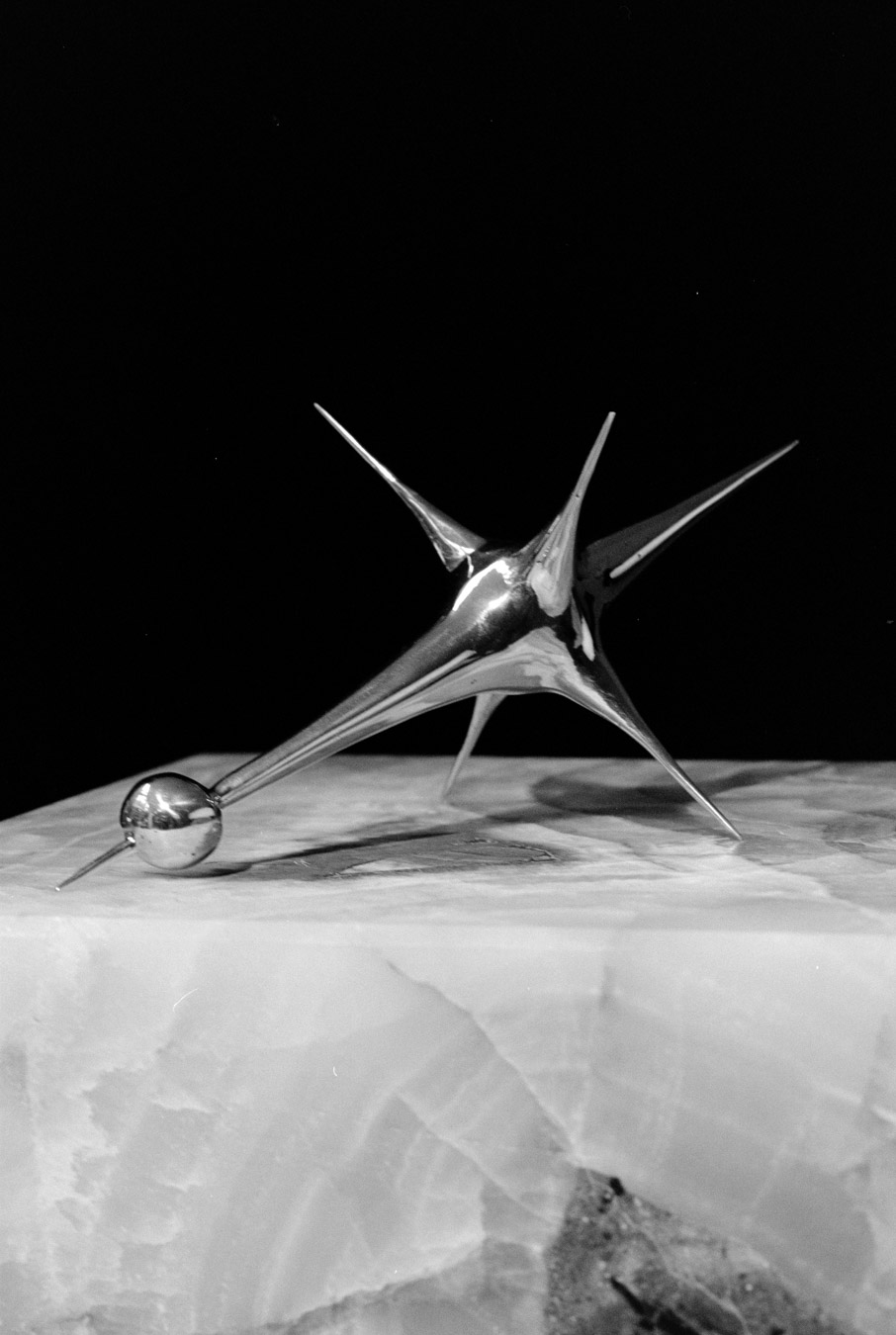
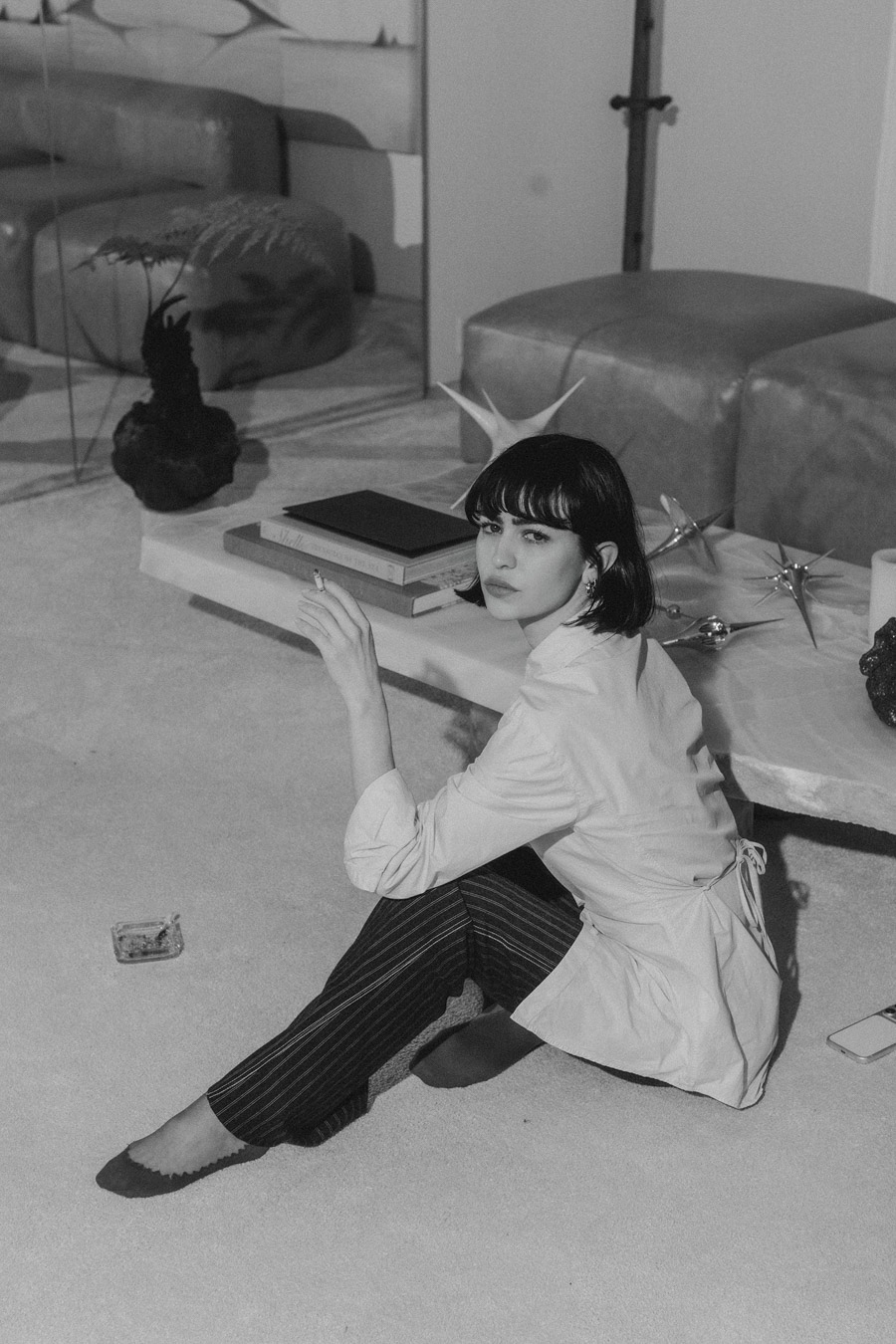
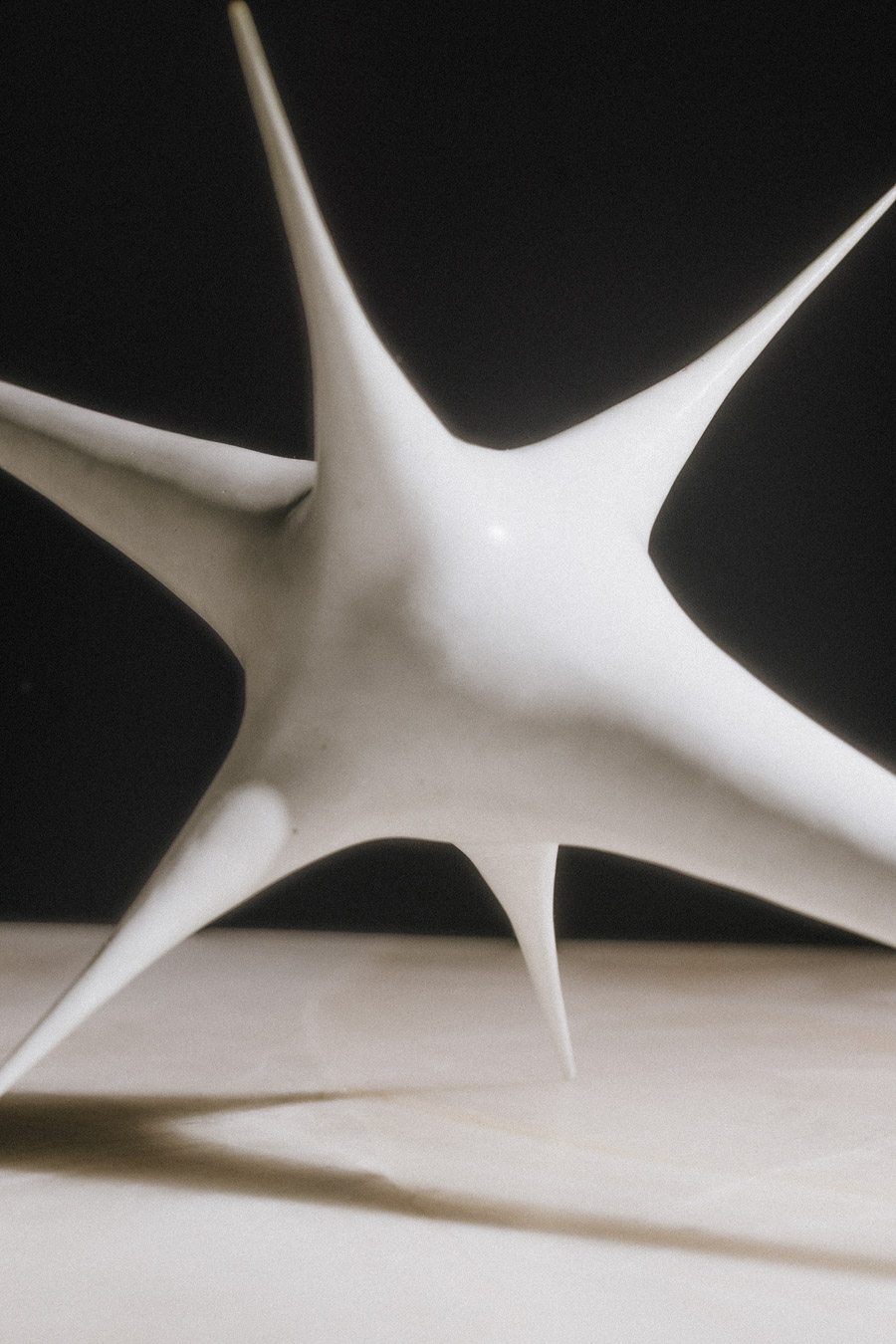
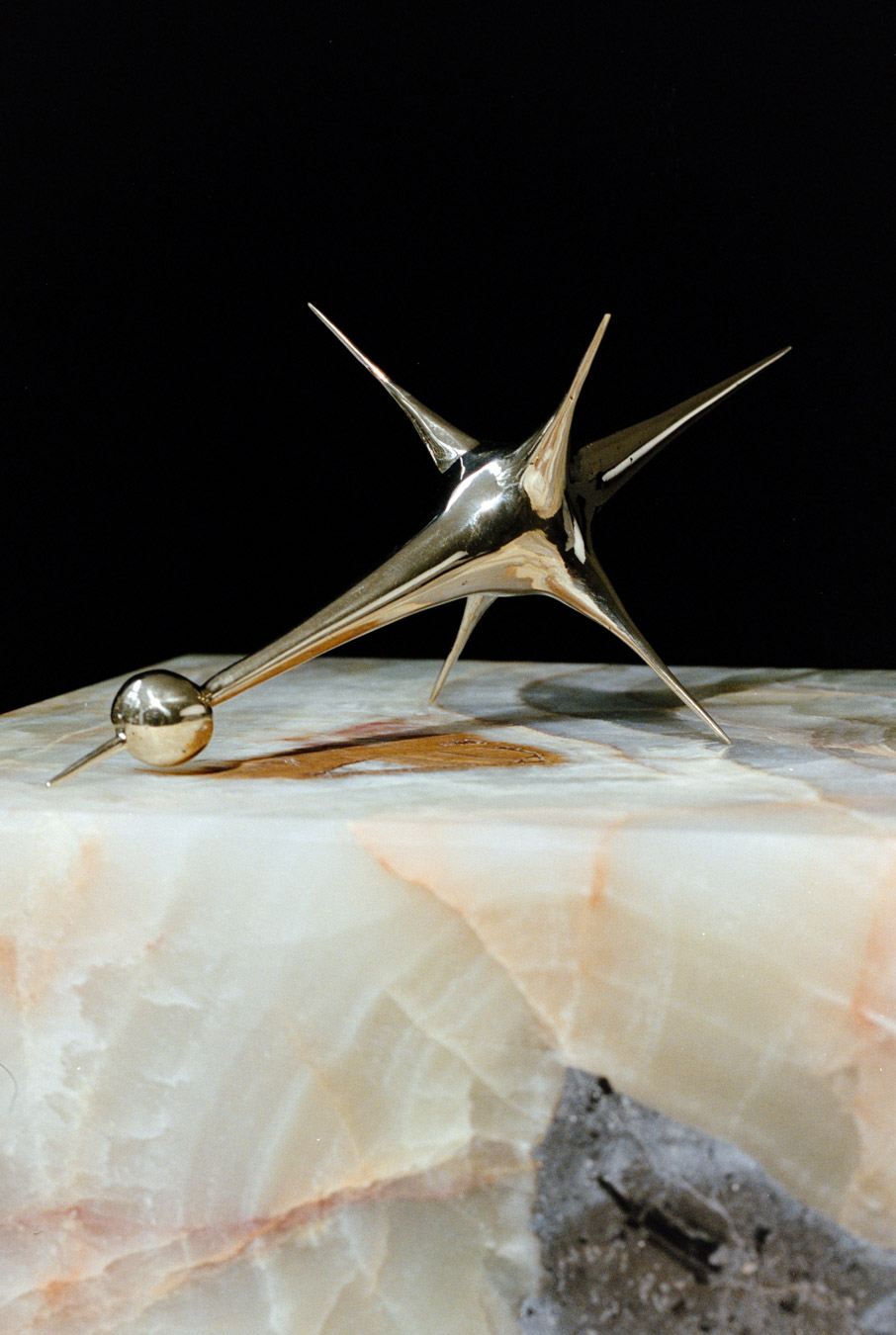
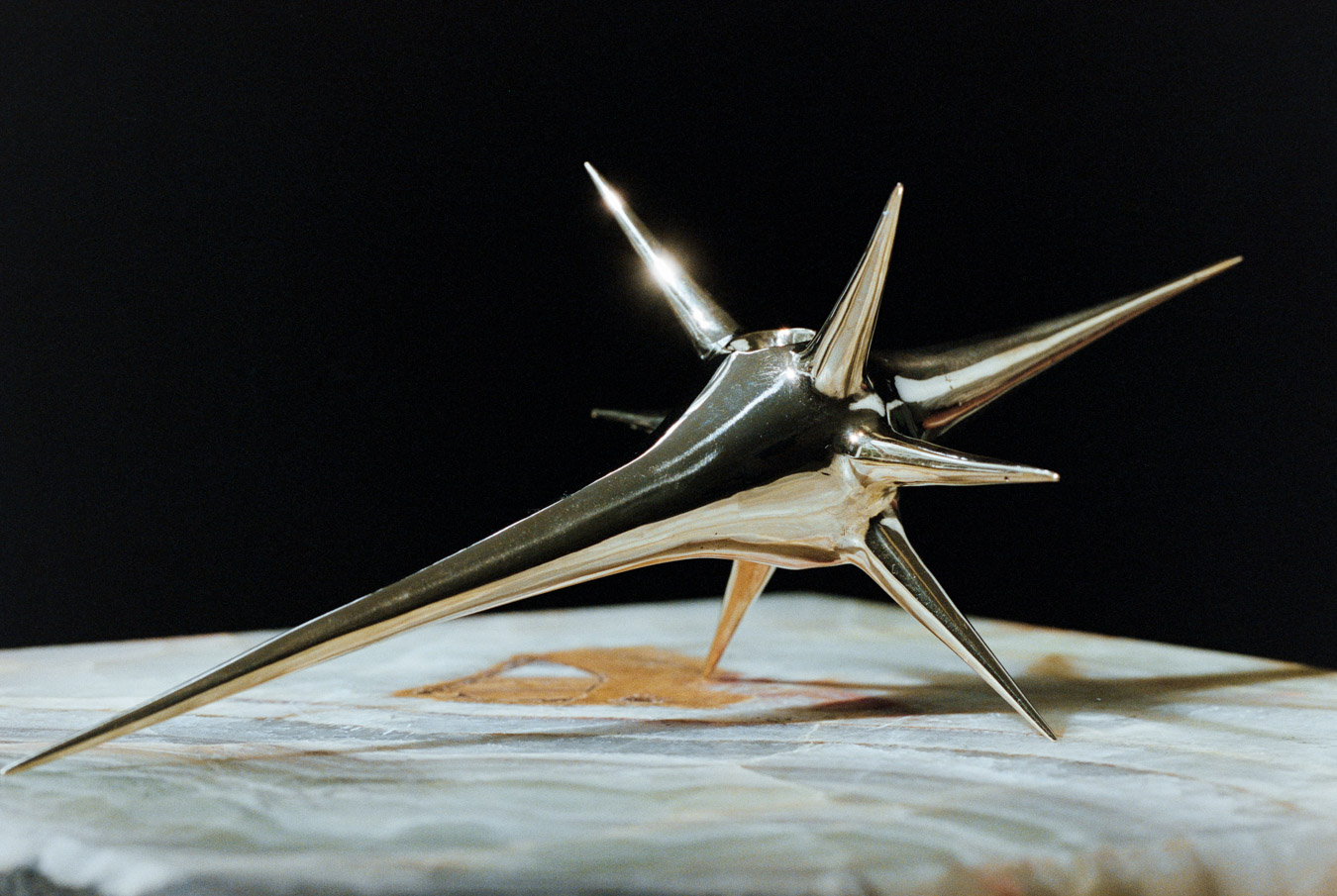
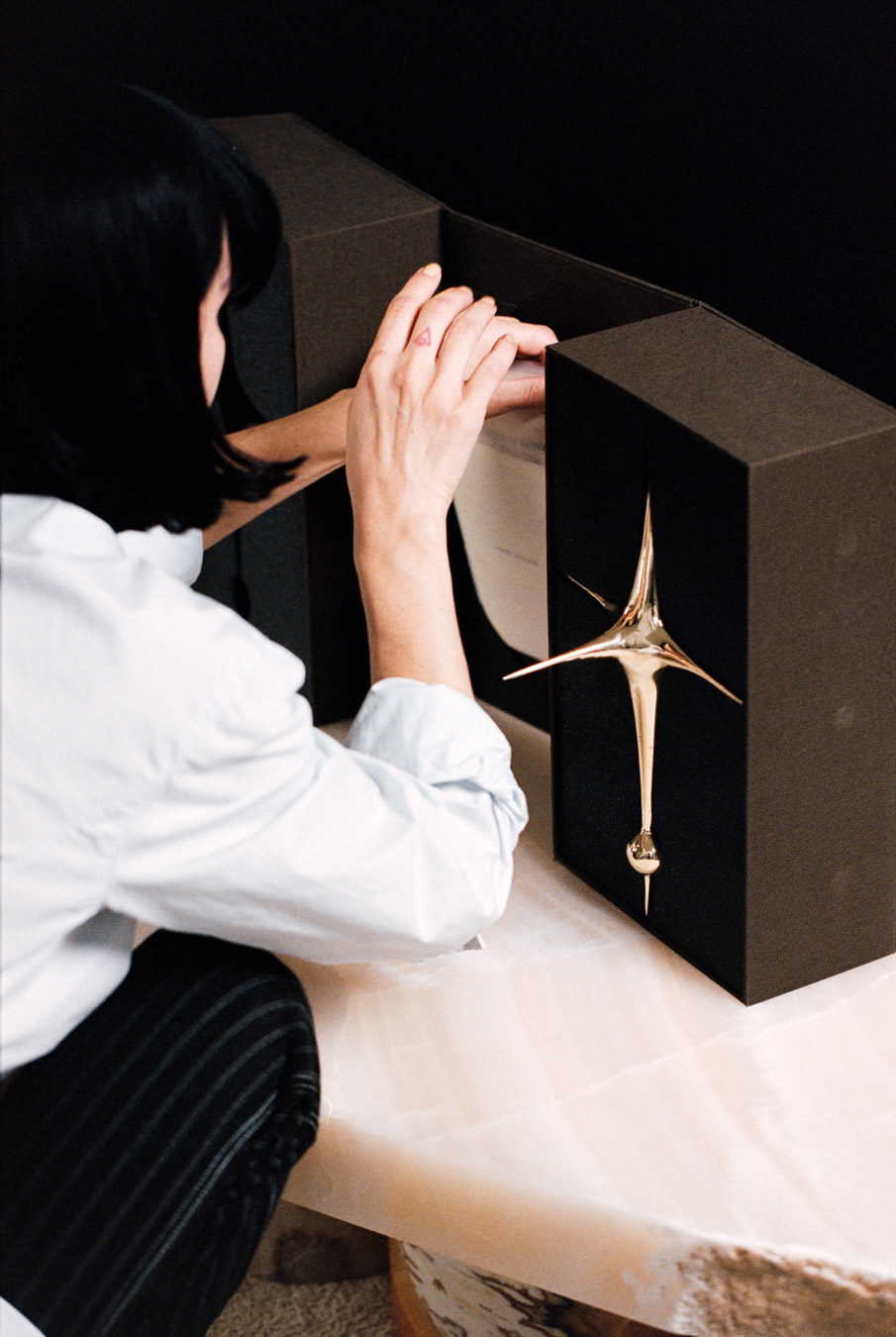
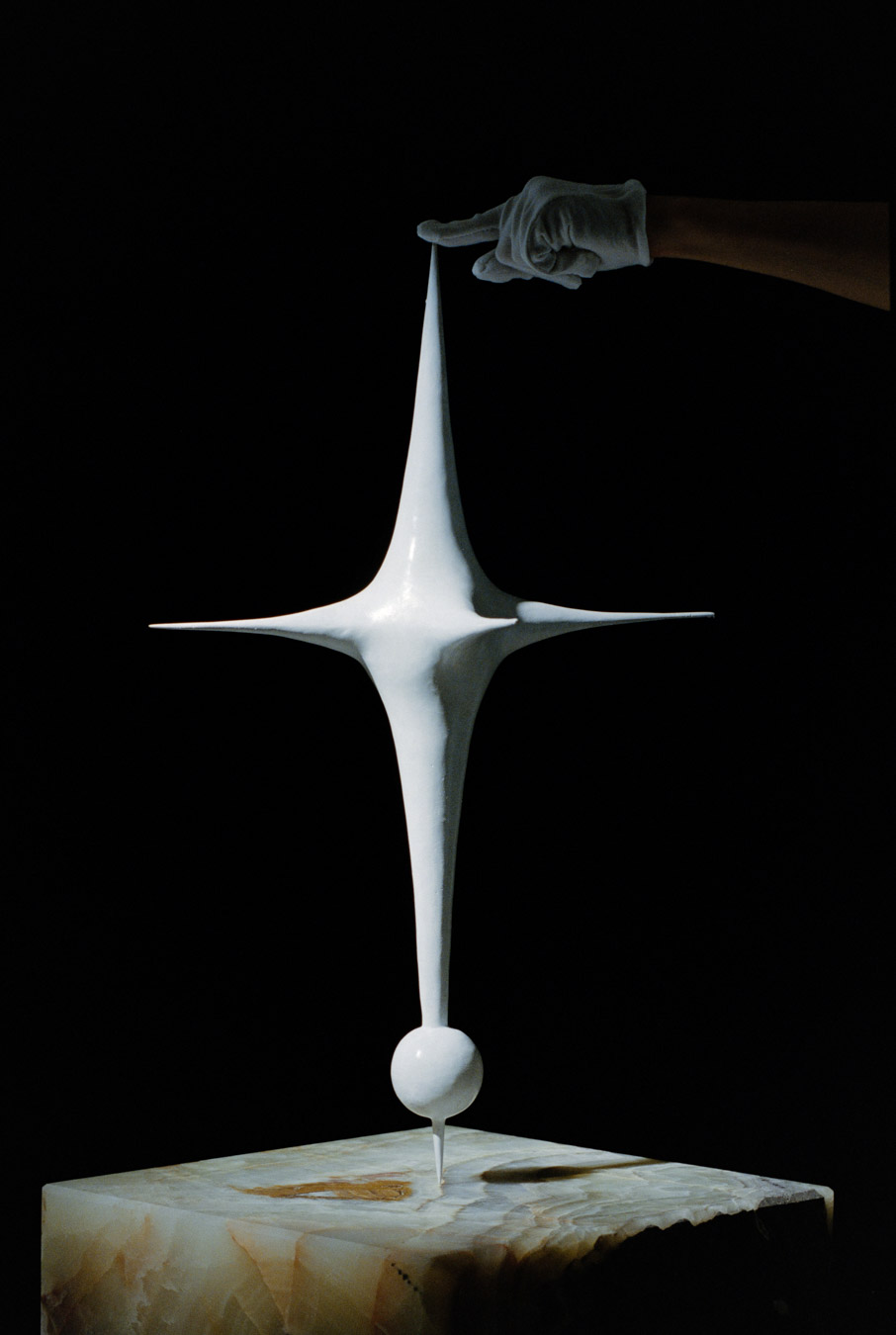
Far from conceiving unconditionally static pieces, Zeta uses the resting pendulum as a point of departure to investigate the precise condition from which movement arises. Cast in bronze, the sculptures adopt organic, pointed forms that compel us to recognize the unexpected formal similarities shared by universes of radically opposite scales. In their vertices and curvatures simultaneously dwell the structure of a thorn, the delicacy of an orchid, the rawness of a bone, or the immensity of a distant galaxy.
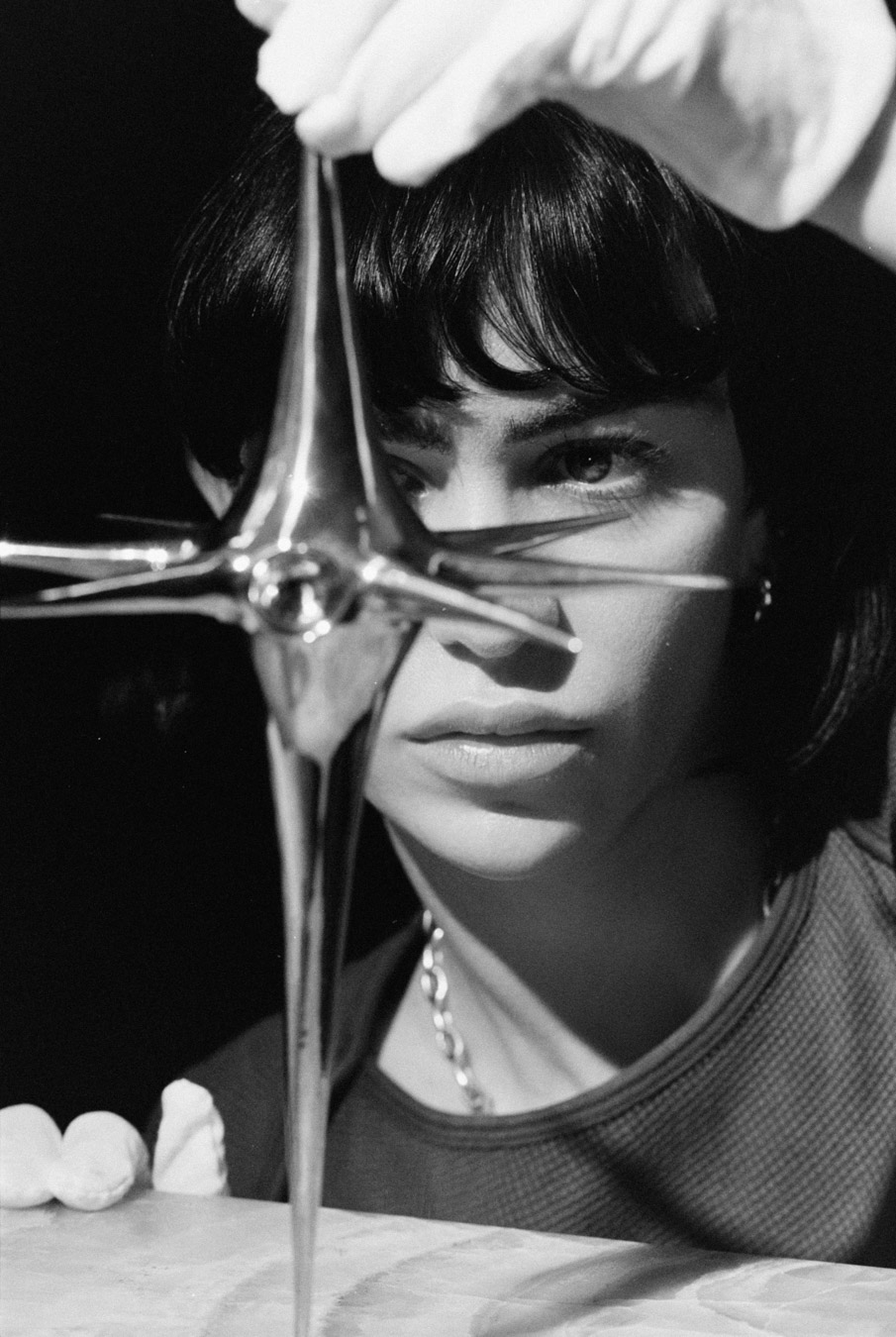
The visual result is deeply ambiguous and intriguing. The pieces operate in a fascinating limbo, occupying a space that oscillates between an ancient fossil and a technological instrument conceived in a distant future. "I think of my sculptures as speculative instruments that give physical form to invisible phenomena," explains the artist herself regarding the collection, detailing that each piece radiates from a central sphere, a "zero point," drawing on geometries that repeat across both physics and the natural world.
With Harmonic Oscillators, Zeta masterfully manages to materialize this complex duality. Her works remind us that the true state of equilibrium does not lie in the absence of action, but in that perfect instant where stillness holds, latent, the absolute potential for movement.