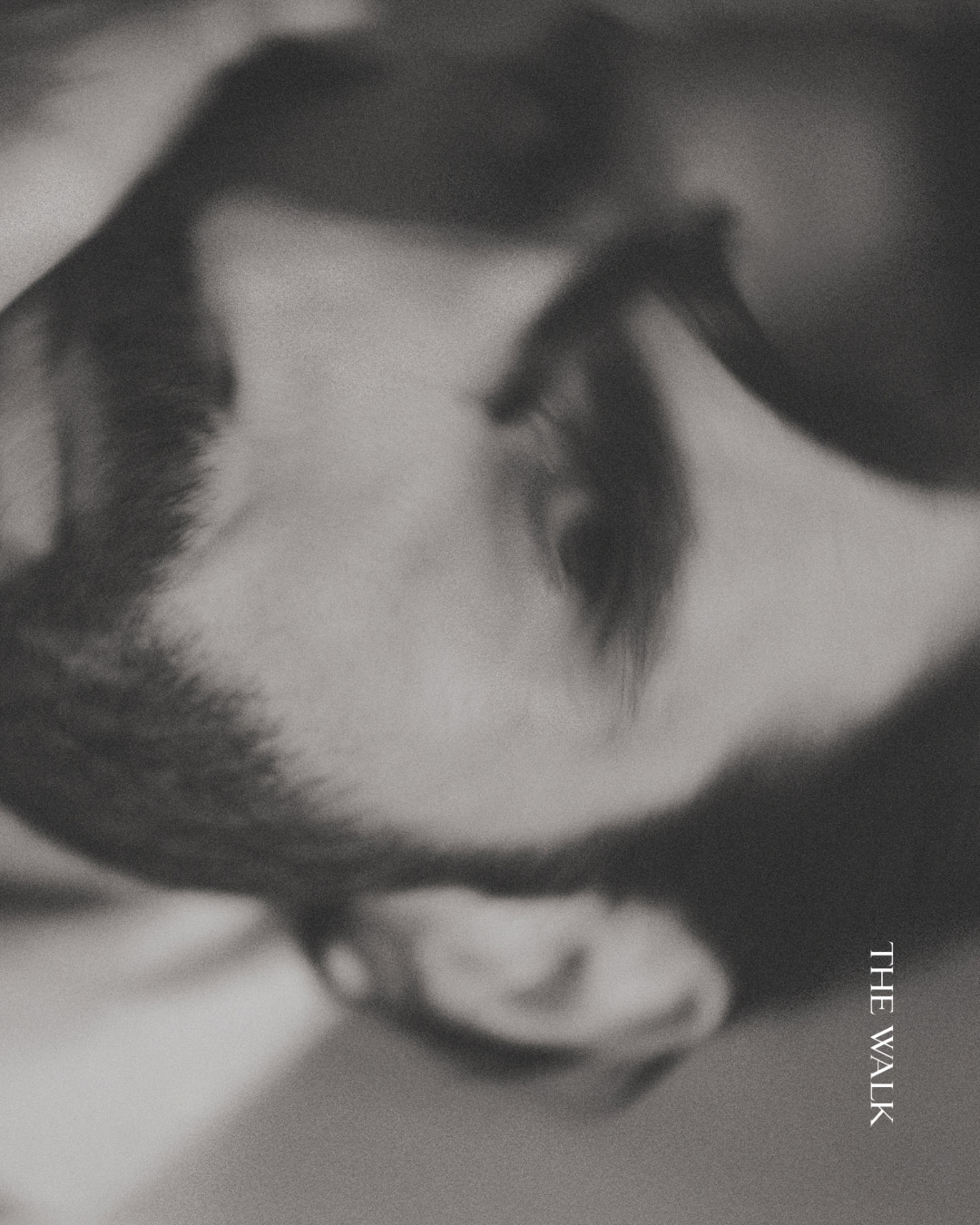
PRINT IS NOT DEAD: GERARD ANGULO ON THE POWER OF THE TACTILE
The Walk
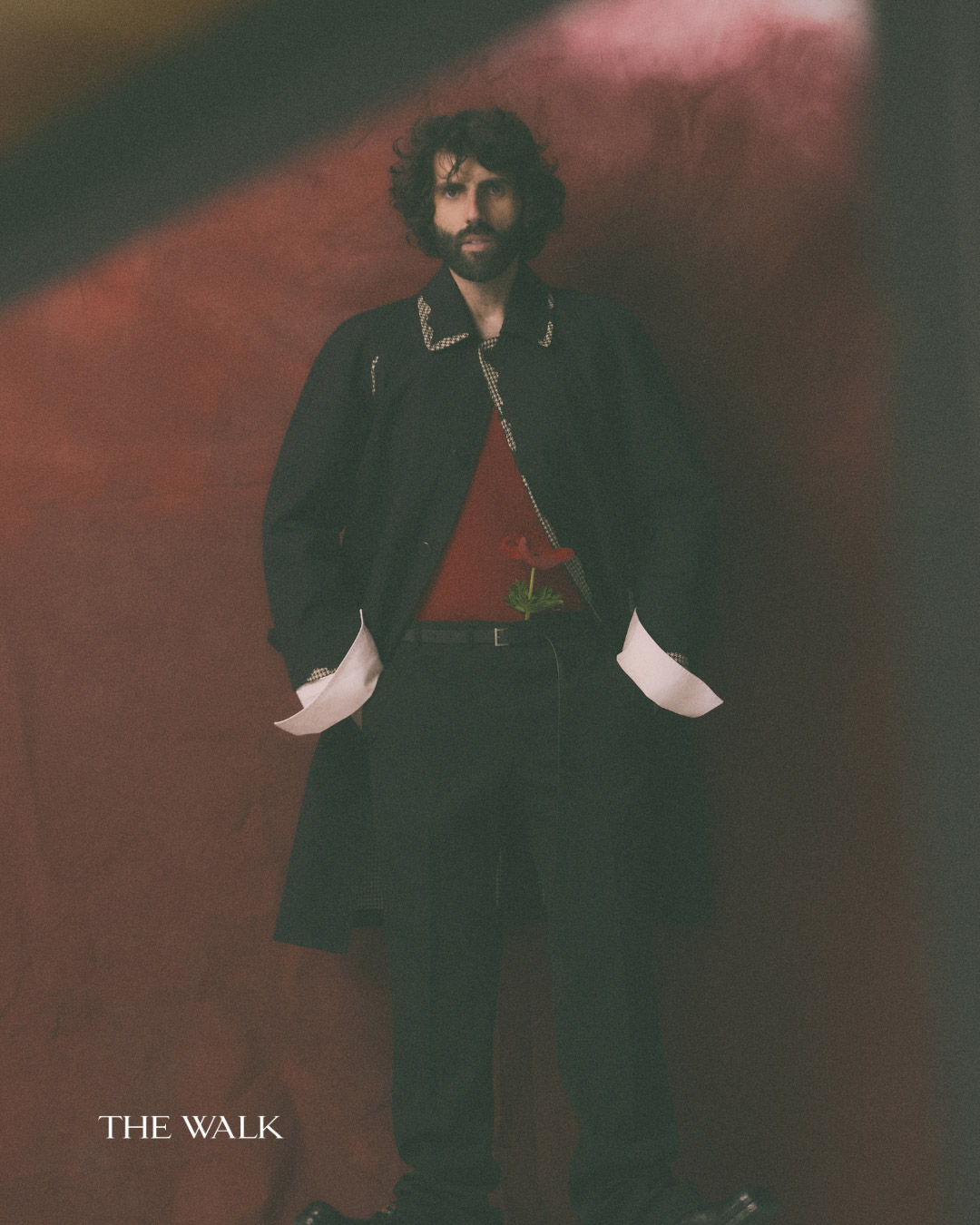
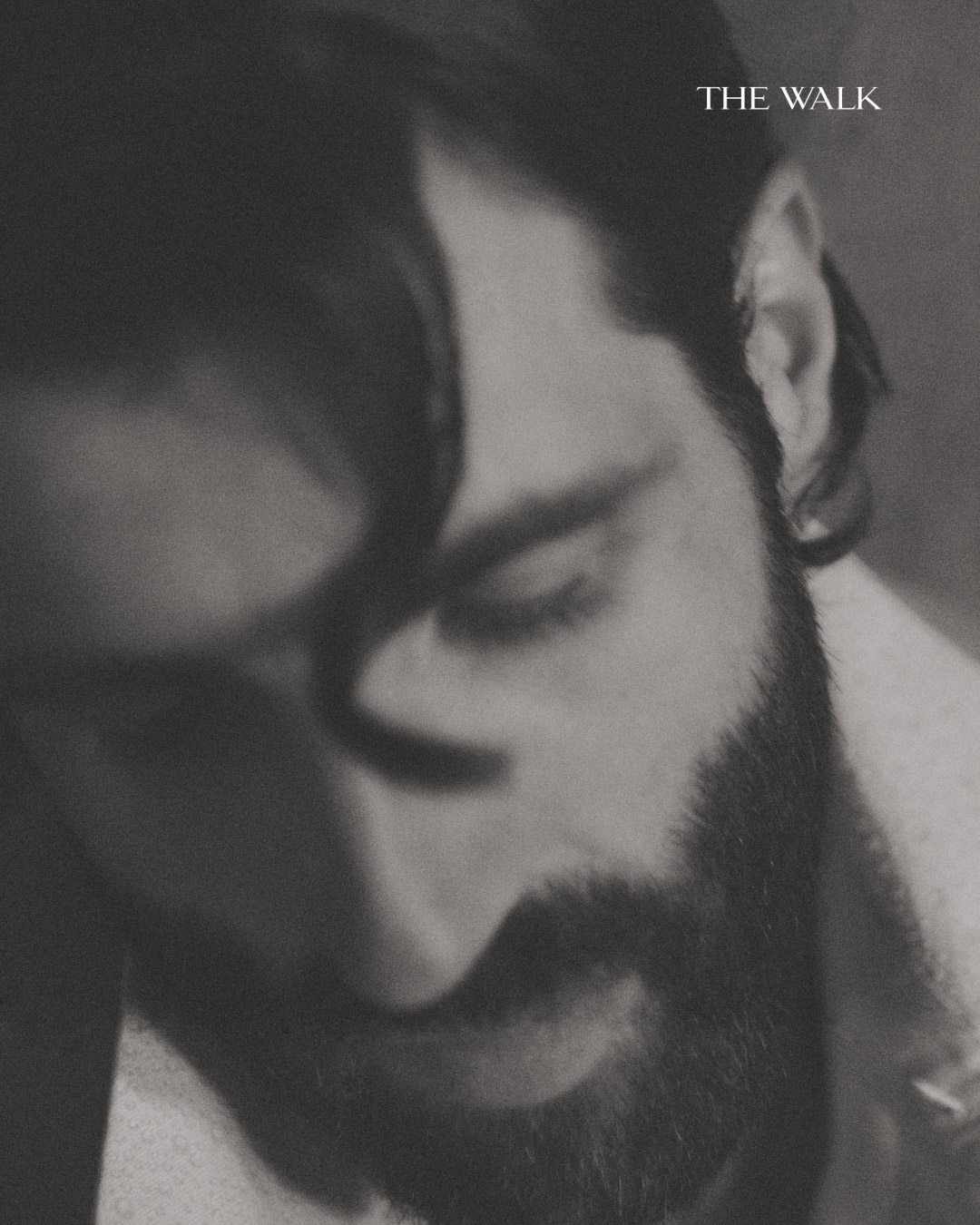
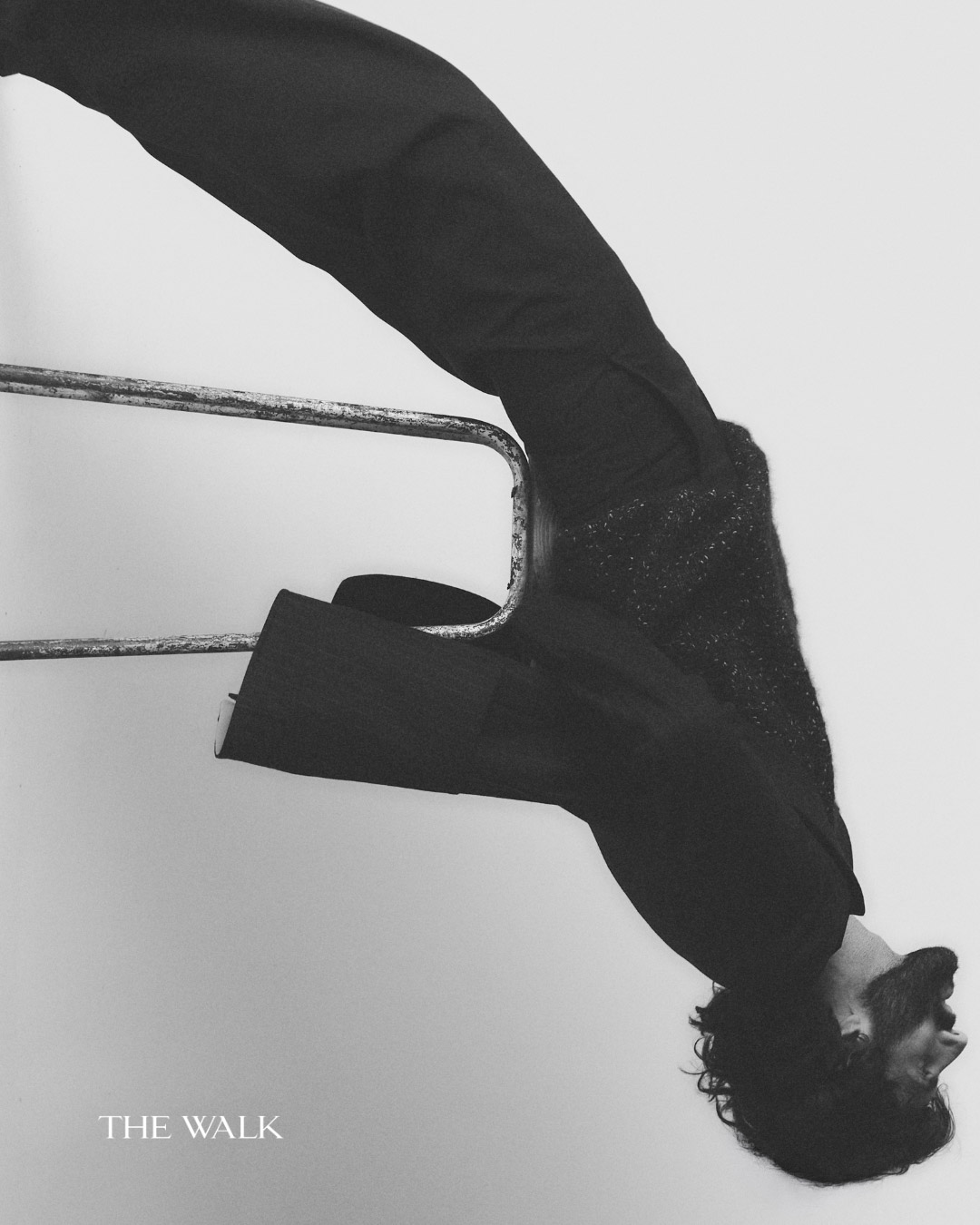
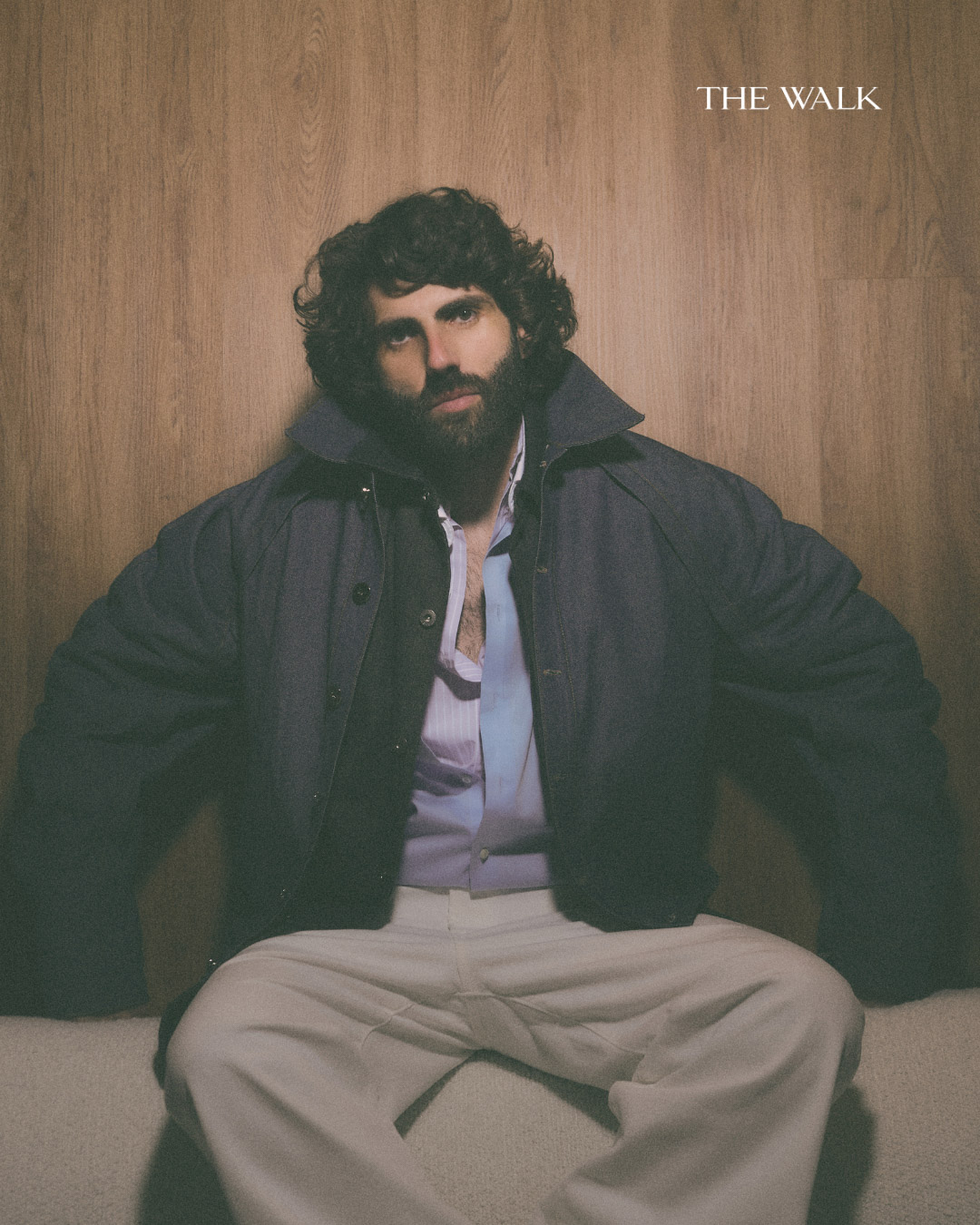
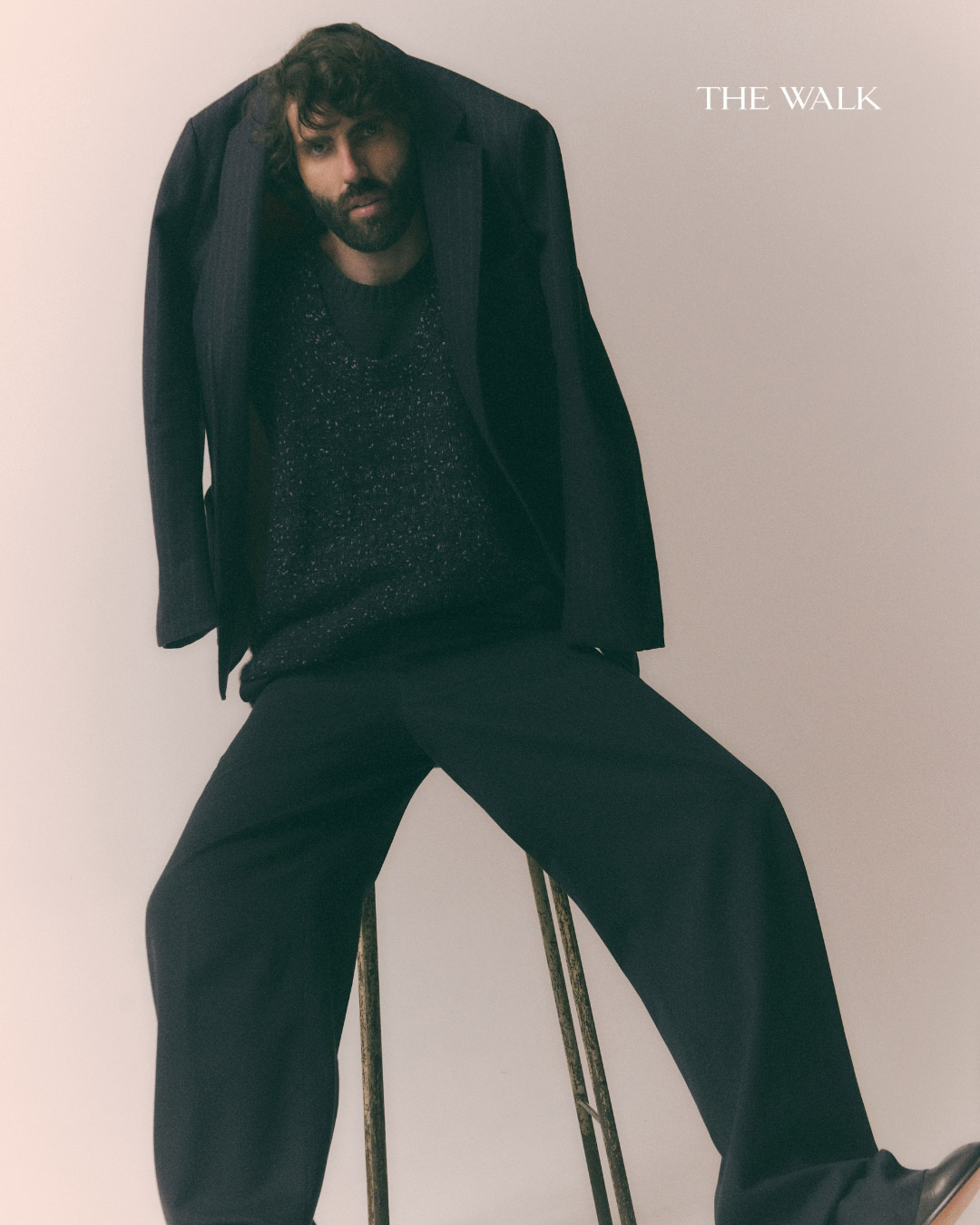
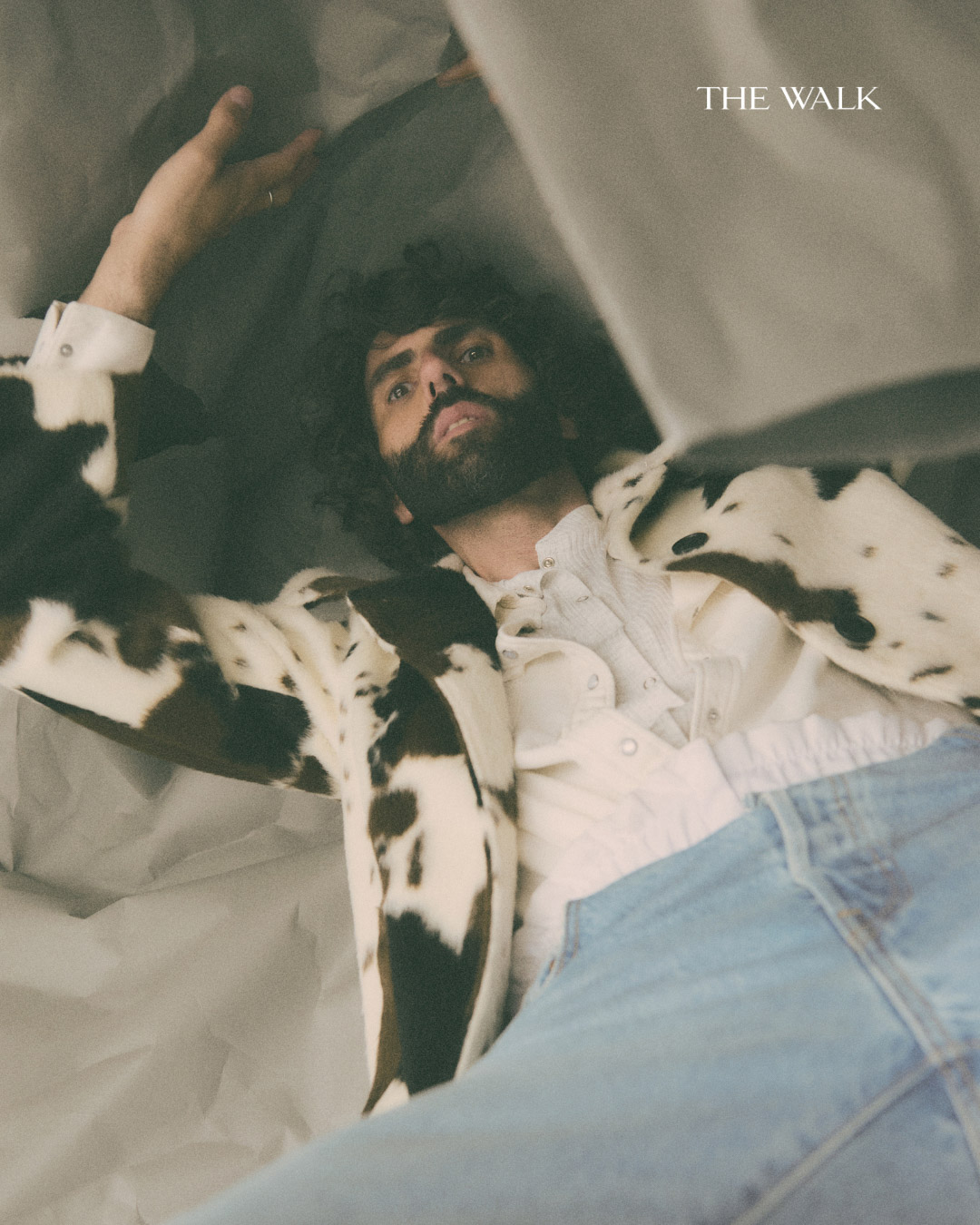
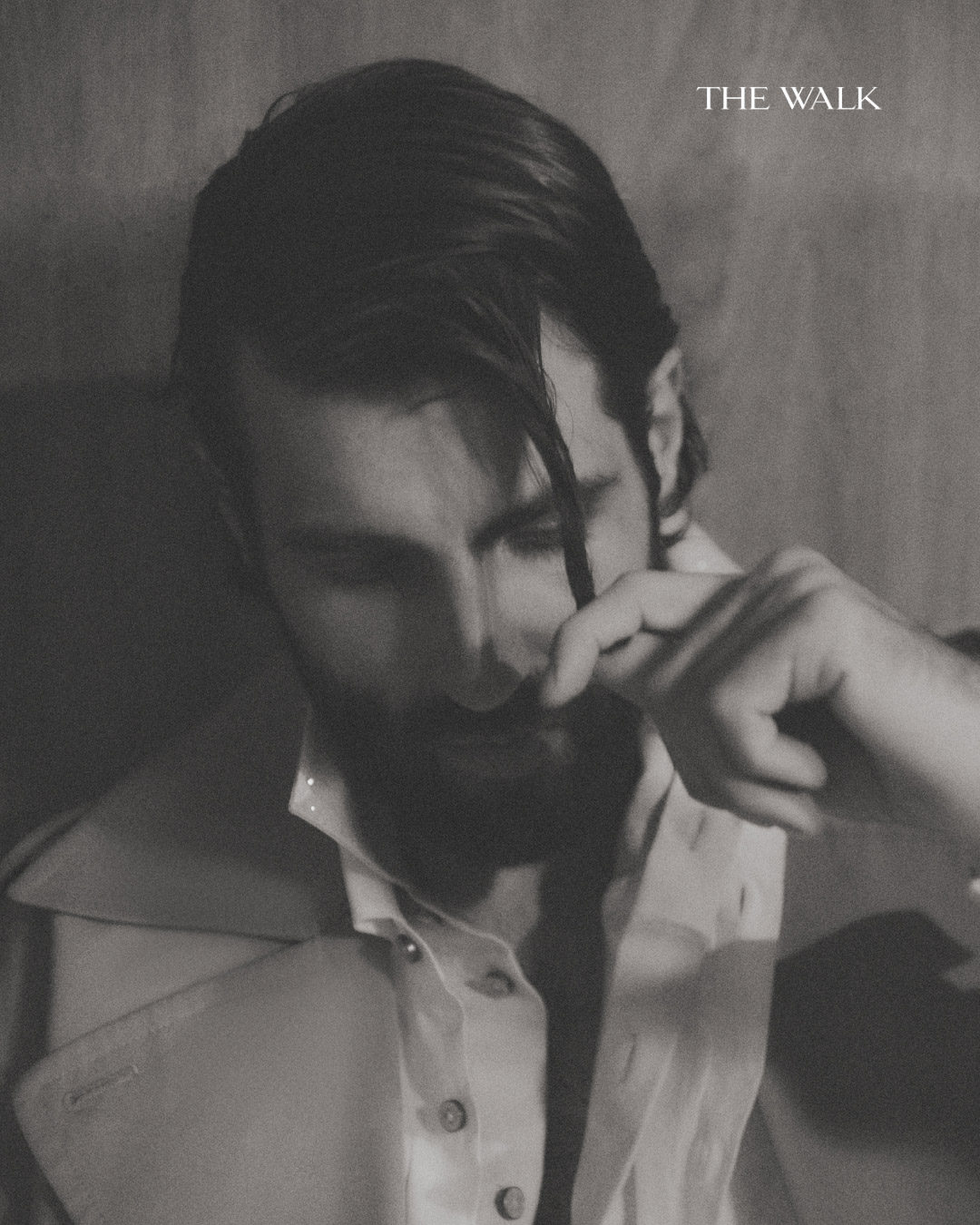
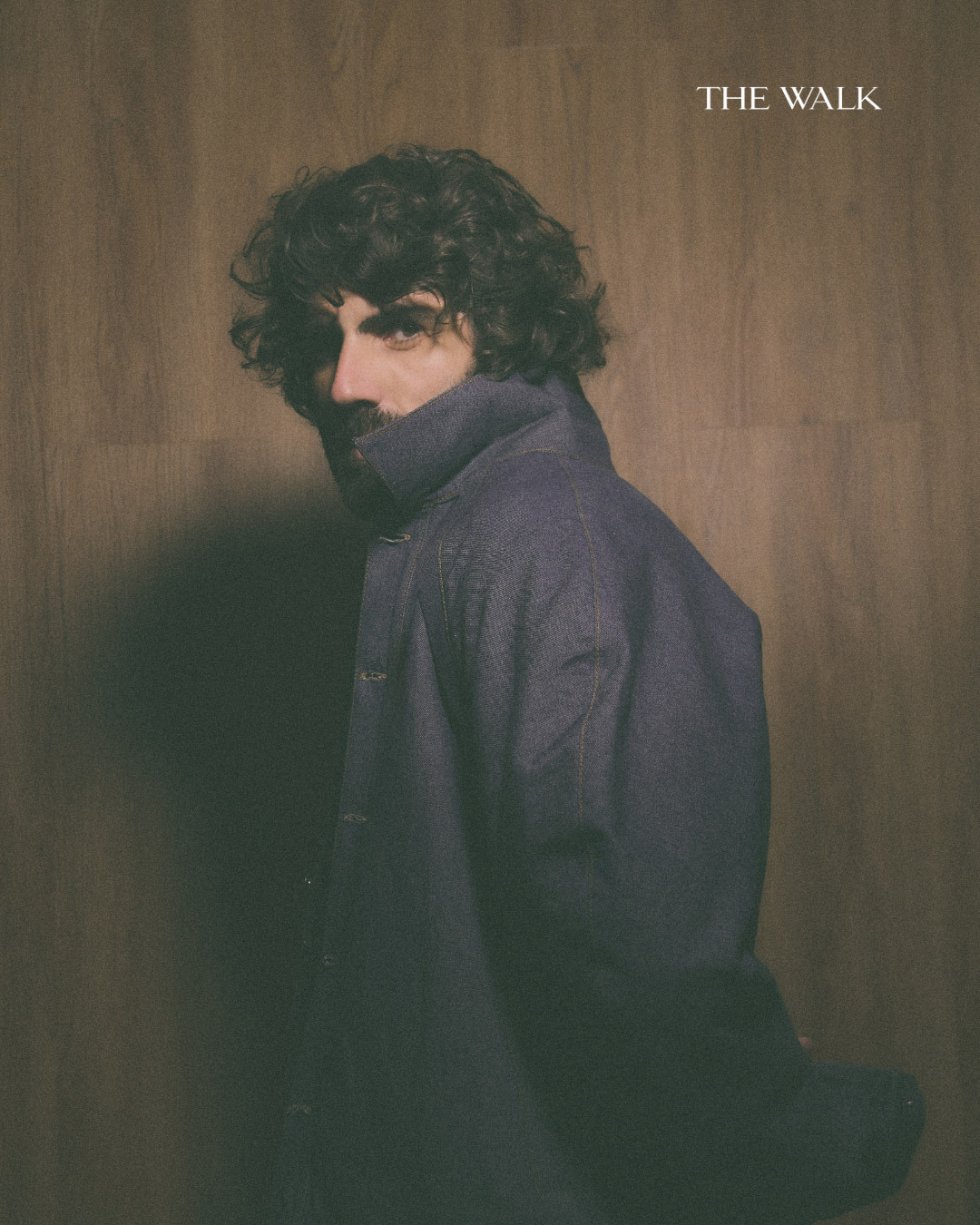
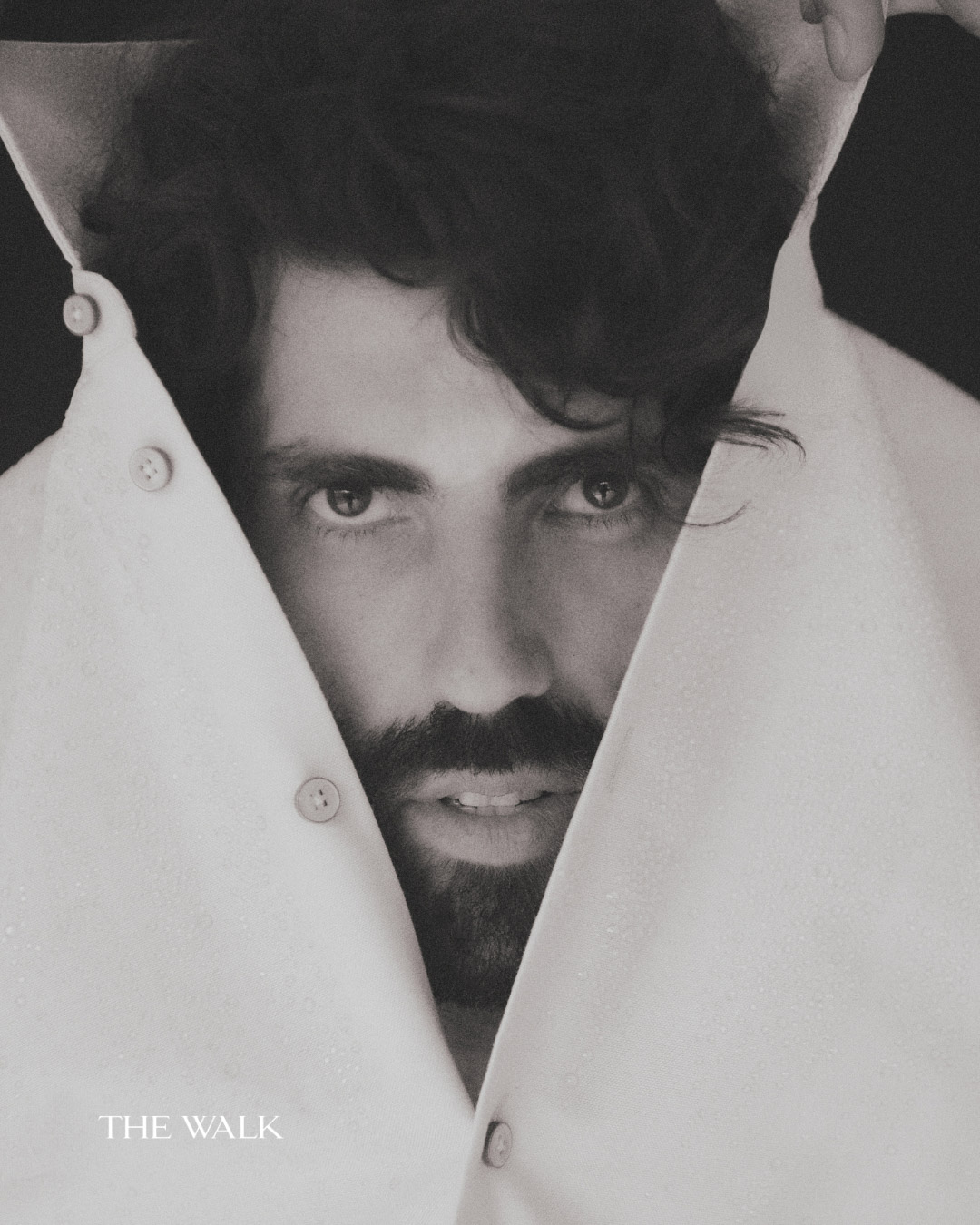
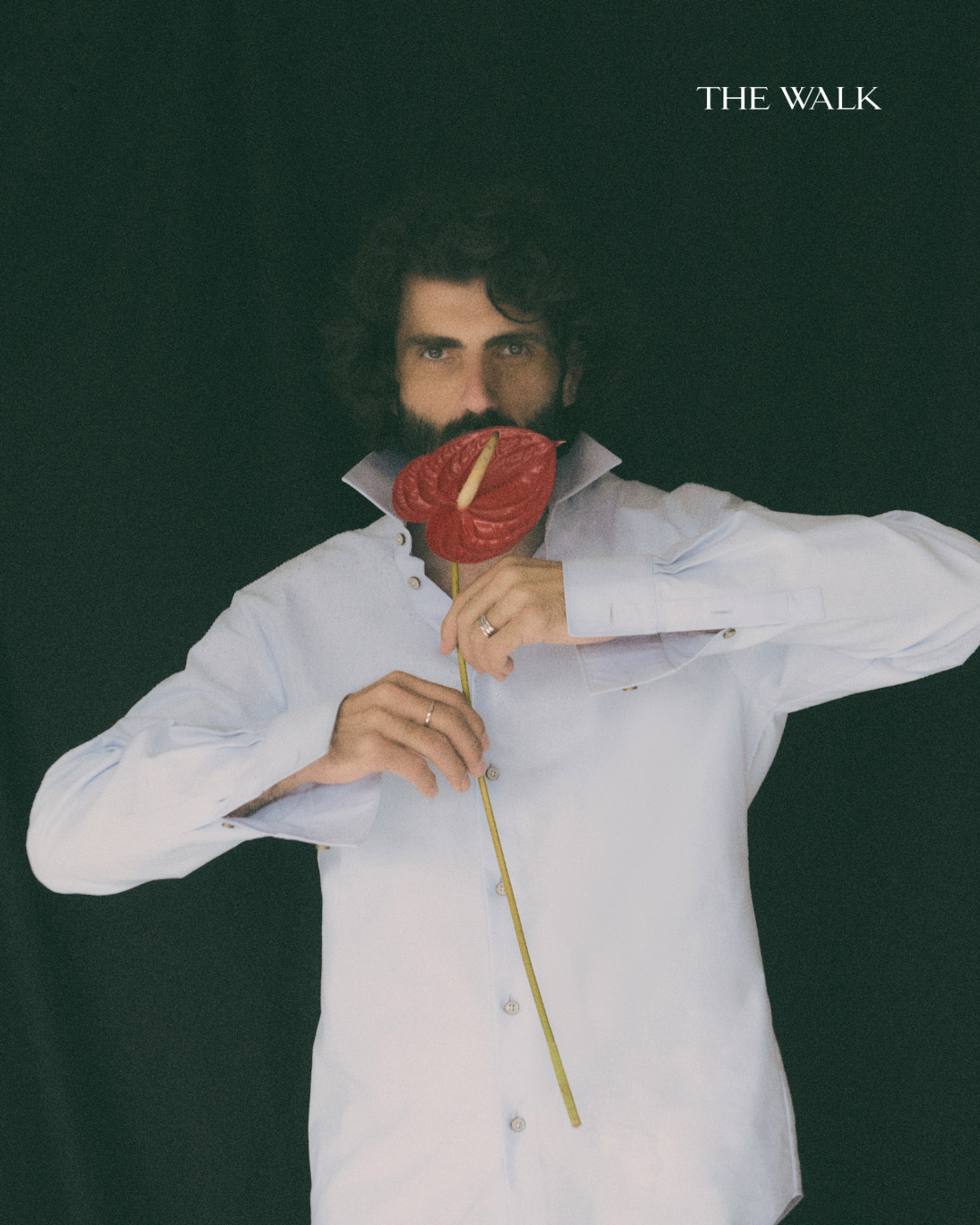
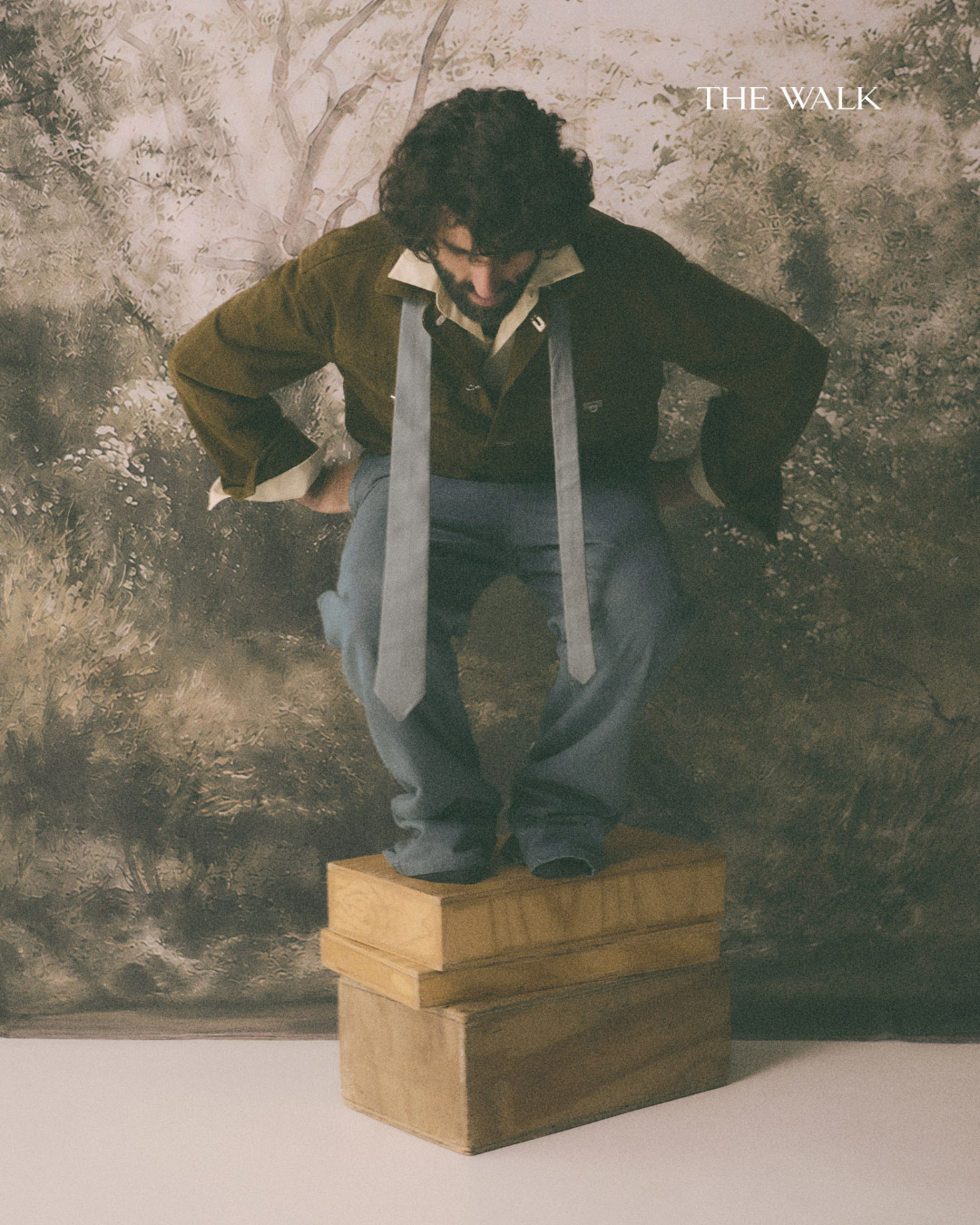
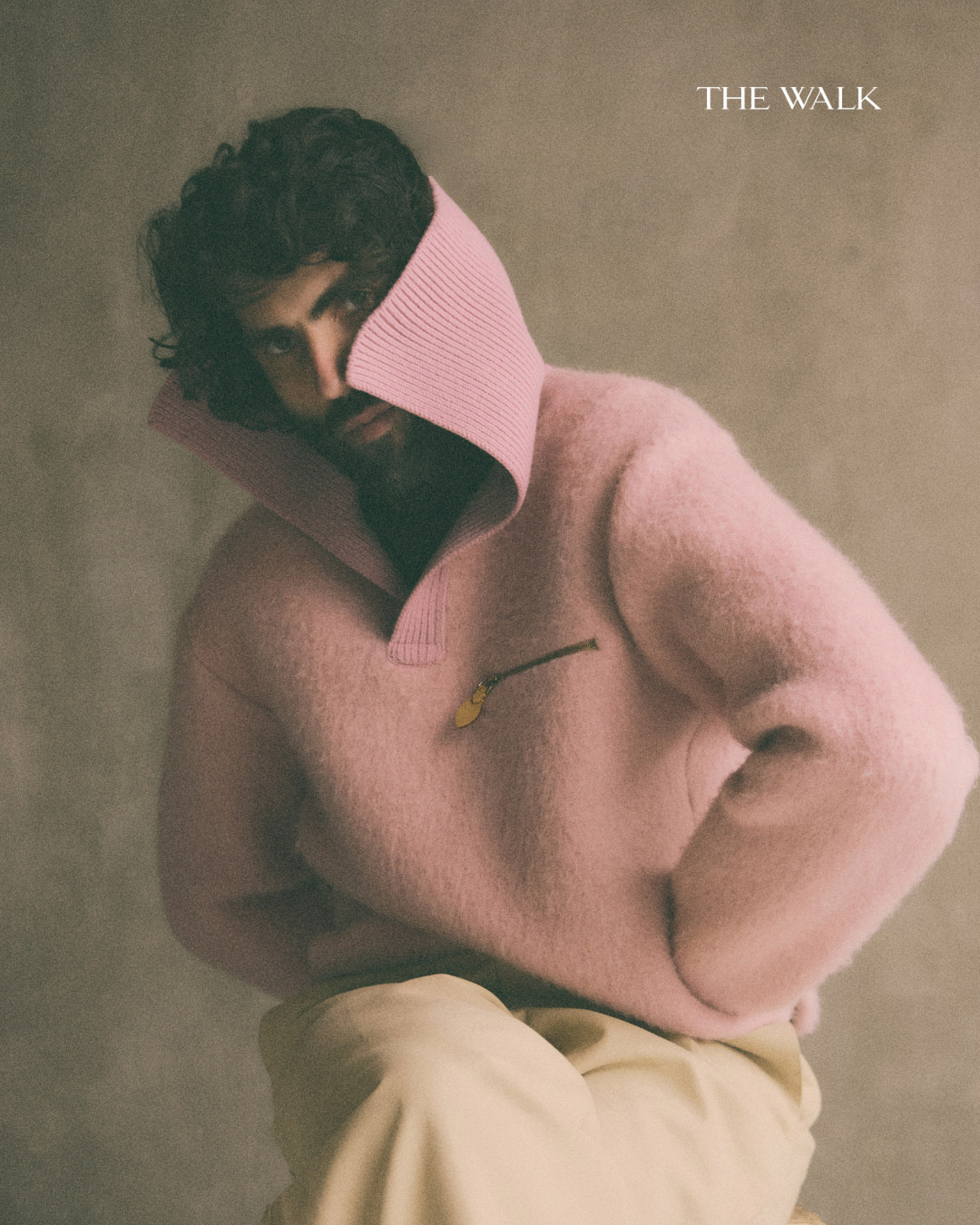
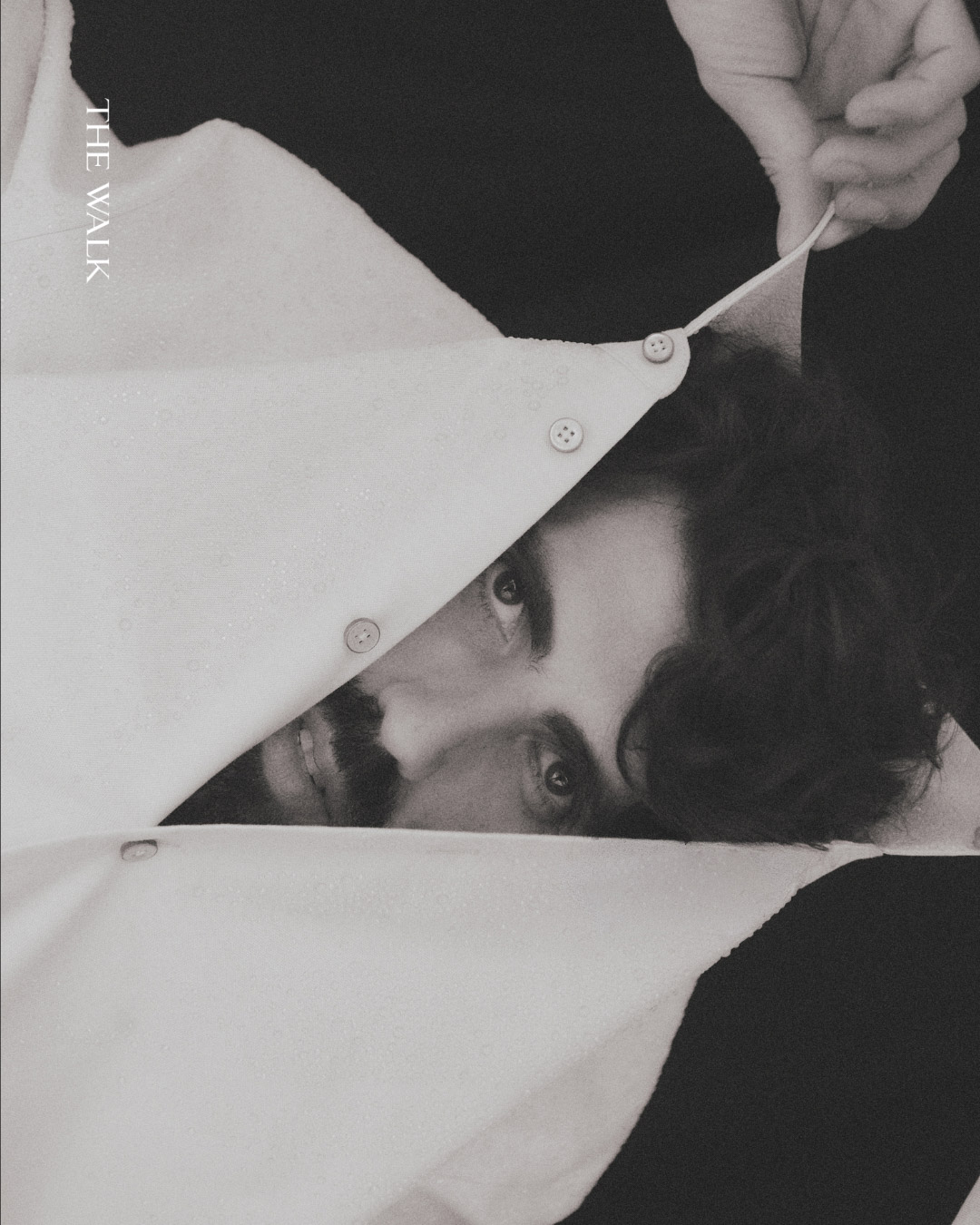
Gerard Angulo.

With over 20 years of industry experience, Gerard Angulo has established himself as one of the most decisive minds in Latin America’s fashion editorial landscape. Originally from Barcelona, Spain, his creative vision led him across the Atlantic to redefine the luxury publishing market by doubling down on the enduring power of print.
Currently, Gerard serves as Founder and CEO of Fashion Group Latinoamérica, leading strategy and content as Editor-in-Chief for Marie Claire Mexico, Marie Claire Colombia, and NOIR Magazine. Under his leadership, he successfully relaunched historic regional titles, giving them a fresh, bold voice deeply connected to both local and international talent.
However, before leading this media powerhouse, his foundation was built on pure image-making. As a creative director and fashion stylist, he has collaborated with High Watchmaking and Fine Jewelry houses such as Cartier, Piaget, and Bvlgari, while also conceptualizing the visual identity for global icons including Olivia Palermo, Shakira, and J Balvin.
Gerard understands fashion not merely as an aesthetic expression, but as the engine of a cultural narrative. We sat down with him to discuss his areas of expertise and gain a deeper look into the mental mechanics of the man behind the pages.
THE WALK (TW): What do you love most about Mexico?
GERARD ANGULO (GA): Definitely the people and their creativity. It’s a country where family unity has taught me so much about embracing my own roots. When I arrived 15 years ago, I felt somewhat disconnected from my family back home. Seeing how Mexican families come together completely—how any excuse is perfect to celebrate and share—profoundly affected me. There is a sense that everything is possible; Mexico in particular is a country where so many projects flourish energetically simply because everything feels achievable.
TW: What has been one of the biggest challenges—and conversely, one of the simplest parts—of building the publishing ecosystem you manage today?
GA: The challenge was launching during a massive shift in media. We were coming out of a pandemic where every headline predicted the death of print. So when I launched Marie Claire Mexico, people told me I was crazy—asking how I dared to launch a print business post-pandemic when several titles were disappearing from the country. It was an enormous hurdle and a tough road to prove otherwise, as I faced many closed doors. Proving step-by-step that each title added to the group had a distinct structure, a real voice, and a unique platform with its own dedicated community was a major challenge.
On the other hand, the simplest part has been identifying the visual DNA of each magazine. That process feels very innate to me, and I’ve been able to translate that clarity to every member of the team. That has definitely been the easiest part.
TW: What do you love most and least about the fashion world in Mexico?
GA: Beyond just Mexico—in general—what I love most is that we experience extraordinary moments and meet wonderful people; we are all chasing our dreams, fighting our battles, and navigating our insecurities. When you strip away the superficial layer that sometimes coats this industry, we are just human beings communicating through our dreams, driven to make our mark. That’s what I love most.
What I like least is "the show." Obviously we have to participate, and over time I understood it’s part of the game. But for a long time I resisted that aspect—being present everywhere, attending every event, networking constantly. I’ve managed to reframe it and actually have fun with it, but it used to be difficult because I preferred being behind the scenes. Eventually, I accepted it as part of the job.
TW: What has been the single greatest challenge in staying at the forefront of Latin American publishing?
GA: The hardest part was shifting away from traditional commercial models centered solely on ad pages, which historically brought revenue into media groups without requiring much broader commercial effort. Selling a standalone ad page is no longer as relevant; today, an ad must be tied to an event, an editorial concept aligned with a brand launch, or a 360-degree ecosystem that offers advertisers a compelling reason to invest. Transforming that content model has been the central challenge.
TW: Print and niche editorial formats live in a fascinating paradox: they have become luxury objects in their own right. As someone who knows the inner workings of this medium, what is the secret to keeping a print publication an influential asset rather than a museum artifact?
GA: Globally, we are experiencing a strong return to the tangible—to things that ground us in tactile experiences, like vinyl records or physical books. Consequently, people are returning to print magazines as objects of desire and niche collectibles. For instance, one of my publications, NOIR, leans heavily into that space. Publishing is ultimately about selling a dream, but these are dreams that resonate deeply because they remain grounded in reality. Across each of our platforms and titles, we tailor our voice accordingly. Marie Claire focuses on authentic womanhood and relevant social dialogue, whereas NOIR centers on high fashion through a more intellectual, art-driven lens.
TW: Pop culture and haute couture are deeply intertwined, yet audience attention spans are shorter than ever. How do you build a sustainable, long-term business model on foundations where the algorithm shifts every 24 hours?
GA: It’s complex, especially when discussing haute couture. Couture satisfies the ultimate desire to own something entirely unique, crafted through countless hours of artisan labor. To me, print is the parallel to couture: it requires extensive time, care, and a large team of creators. Digital, by contrast, aligns more with fast fashion—and while I value digital immenseley, it moves much faster, where immediacy and slight imperfections offer a sense of closeness. That’s how I view the parallel.
TW: In your experience, what is the biggest misconception international luxury houses make when trying to decode the Latin American consumer?
GA: Assuming that Latin Americans only want logos or monograms. Latin America is not just that. While there is a segment that consumes heavy branding—just as there is in any market globally—there is also an educated, discerning audience that buys investment pieces designed to last. They appreciate fine tailoring, love turning a blazer or trench coat inside out to inspect the stitching and patternwork, and value craftsmanship. International brands need to evolve that perception, though I believe we are already 70% to 80% of the way there. We are actively shifting those paradigms.
TW: There is a historical pattern in Latin America of validating local talent only after they achieve success in Paris, Milan, or New York. What is the regional industry missing from a business and financial standpoint to stop relying on "first-world approval" and build its own power centers?
GA: Many brands reach out to me for consulting and say, "I'm going to host a show in Paris." I ask them: "That's wonderful that you have the financial backing for a Paris show, but once it ends, where are you selling? Do you have a re-see organized to invite key buyers? Have you built those relationships? Are international buyers actually attending your show or re-see?" Without that commercial infrastructure, presenting internationally becomes an exercise in feeding the ego.
Ego plays a significant role in this industry, but sustained success requires a well-structured plan: a clear sales strategy, creative direction, and visual consistency. Look at heritage luxury houses—even when a new creative director steps in and shifts the collection or mood, the core visual identity and heritage remain instantly recognizable when you walk into their boutiques.
TW: The integration of AI in design, production, and editorial work is sparking deep debates around authorship. From an executive perspective, how far can creativity be automated without diluting the aura of exclusivity that attracts luxury clients in the first place?
GA: AI is undoubtedly a tool that, when used intelligently, can streamline time-consuming technical processes. But using it wisely depends entirely on your own creative foundations. I’ve received invitations from premium fragrance brands that were clearly generated by AI—and it shows. That raises questions. It should be leveraged to save time—not cut costs or sacrifice quality—without forgetting that the visual construction of a collection or campaign ultimately originates in the human mind. Human creativity can never be replaced.
TW: To conclude: if you could share one uncomfortable truth—the kind top fashion executives think but rarely say aloud in a boardroom—what would it be?
GA: Rather than a message for the boardroom, it’s advice for emerging entrepreneurs. A brand, magazine, or creative enterprise must be creative, but it must also be a viable business. Creative minds often forget the business side. For a long time, I struggled to balance the creative and business worlds until I immersed myself in the numbers. When you embed creativity into financial strategies and metrics, a creative leader becomes far more powerful than a purely financial executive who lacks creative vision. Creativity and finance must walk hand in hand.