



TWELVE DAYS FOR MAISON MARGIELA
Kevin Gorian

All images courtesy of MAISON MARGIELA

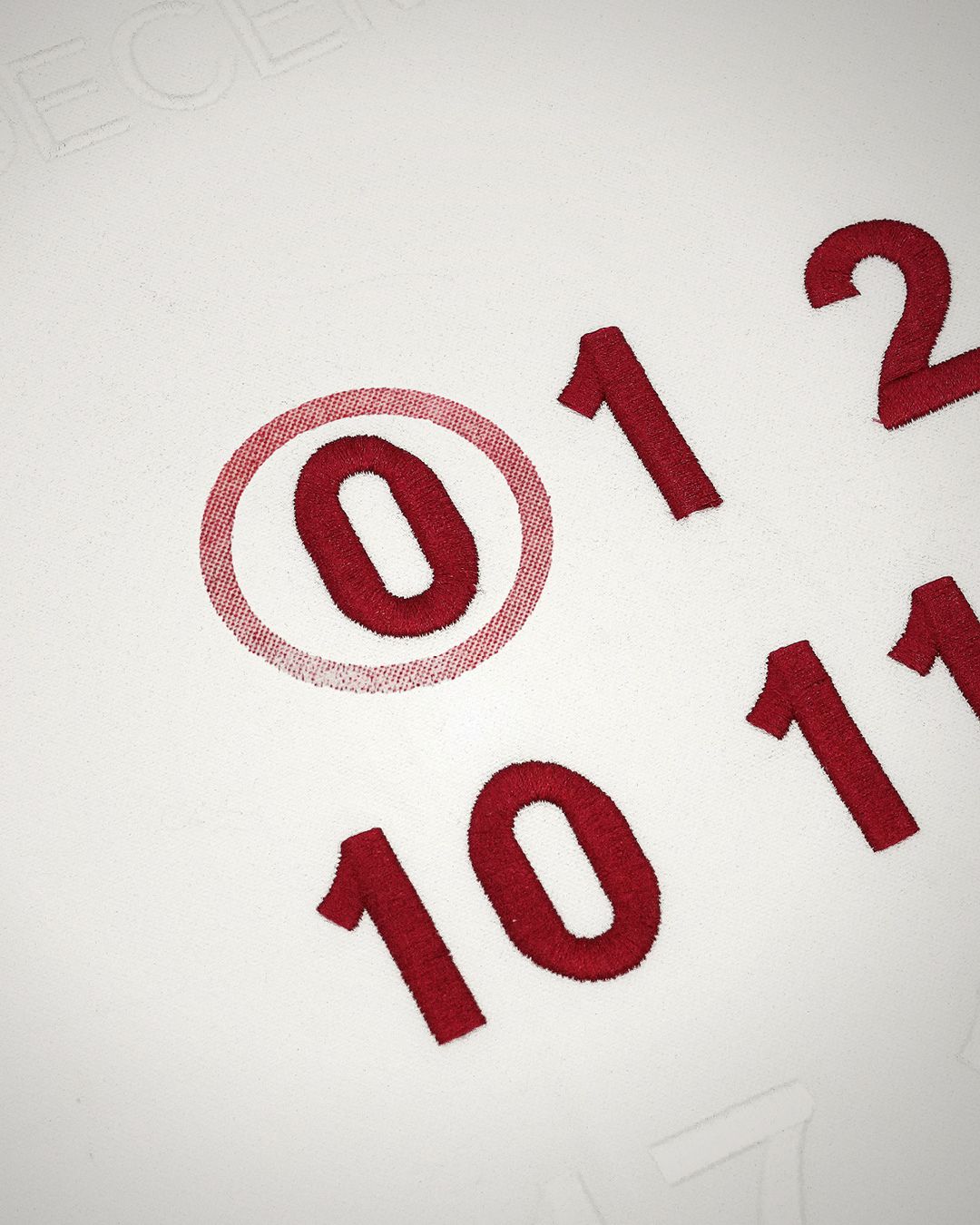
Maison Margiela’s classic iconography (that numeric “guide” that appears on all of its garments) takes on a festive meaning this season thanks to The 12 Days of Margiela, a digital reinterpretation of the Advent calendar.
As its name suggests, Margiela takes us on a twelve-day journey in which the House explores some of its most iconic branches, identified by numbers ranging from 0 to 23.
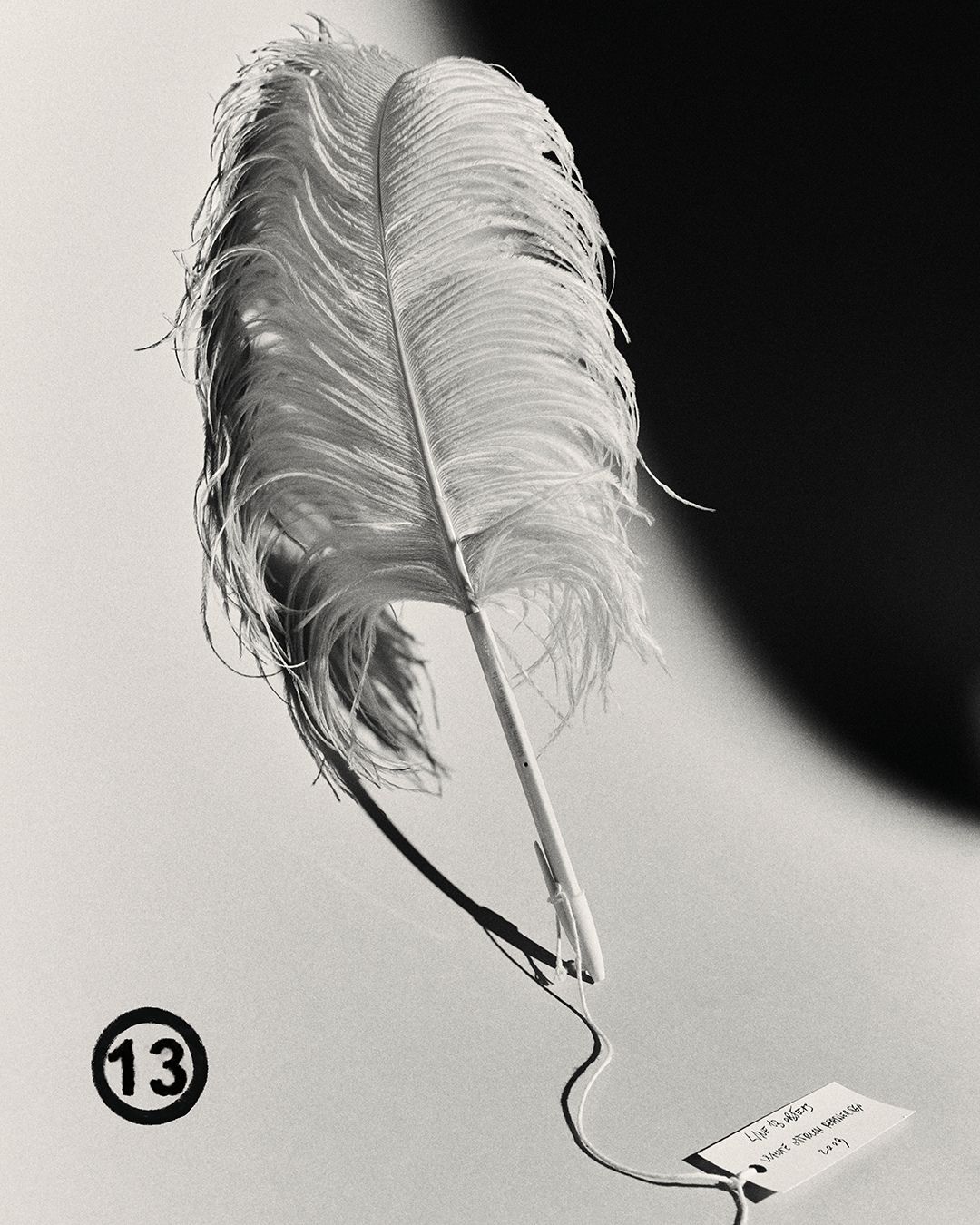
This curious archival experiment refers to the original Calendar that Margiela launched in 2009 as part of Line 13, within the White Objects collection; the goal of this collection was to reclaim everyday items, transforming them into objects of design and desire.
At the time, the Advent calendar, once used, would become napkins. In 2025, however, one of the most commercialized tokens of the holiday season exists in a digital format, serving as a medium for connection, inspiration, and exploration.
The 12 Days of Margiela analyzes a series of creative universes within the fashion house, beginning with Line 0 Artisanal and reaching Line 22 Shoes, weaving a dialogue between haute couture and the everyday.
Below is a list of the collections that Maison Margiela has been revisiting as part of its holiday exploration:
Line 0
Artisanal Collection — November 30
Artisanal is our Haute Couture collection. Originally conceived as a line of handmade garments, it evolved into the Maison’s first Haute Couture collection in 2006, with its debut runway show in 2012.
Artisanal functions as a creative laboratory that informs and inspires all other collections.
Origin: 1989 (first Haute Couture collection in 2006)
White Label
Co-Ed Défilé Collection
The line without numeric coding, presented as the Co-Ed Défilé Collection and recognizable by its unmarked white label.
A wardrobe conceived from the founding ideas of the Artisanal collection, interpreted as ready-to-wear for women and men.
Origin: Spring–Summer 1989
Line 1
The Women’s Collection — December 1
Women’s ready-to-wear garments.
The women’s collection continues the Maison’s ongoing dialogue around construction and deconstruction.
Origin: 1998
Line 2
Line 2 — December 2
A project rooted in unexpected connections, launched as part of Frieze Seoul.
It facilitates creative dialogue.
Origin: 2025
Line 3
Fragrance Collection — December 3
The Fragrance Collection is our line of perfumes for women and men.
Launched with the fragrance Untitled and widely recognized for Replica.
Origin: 2008
Line 4
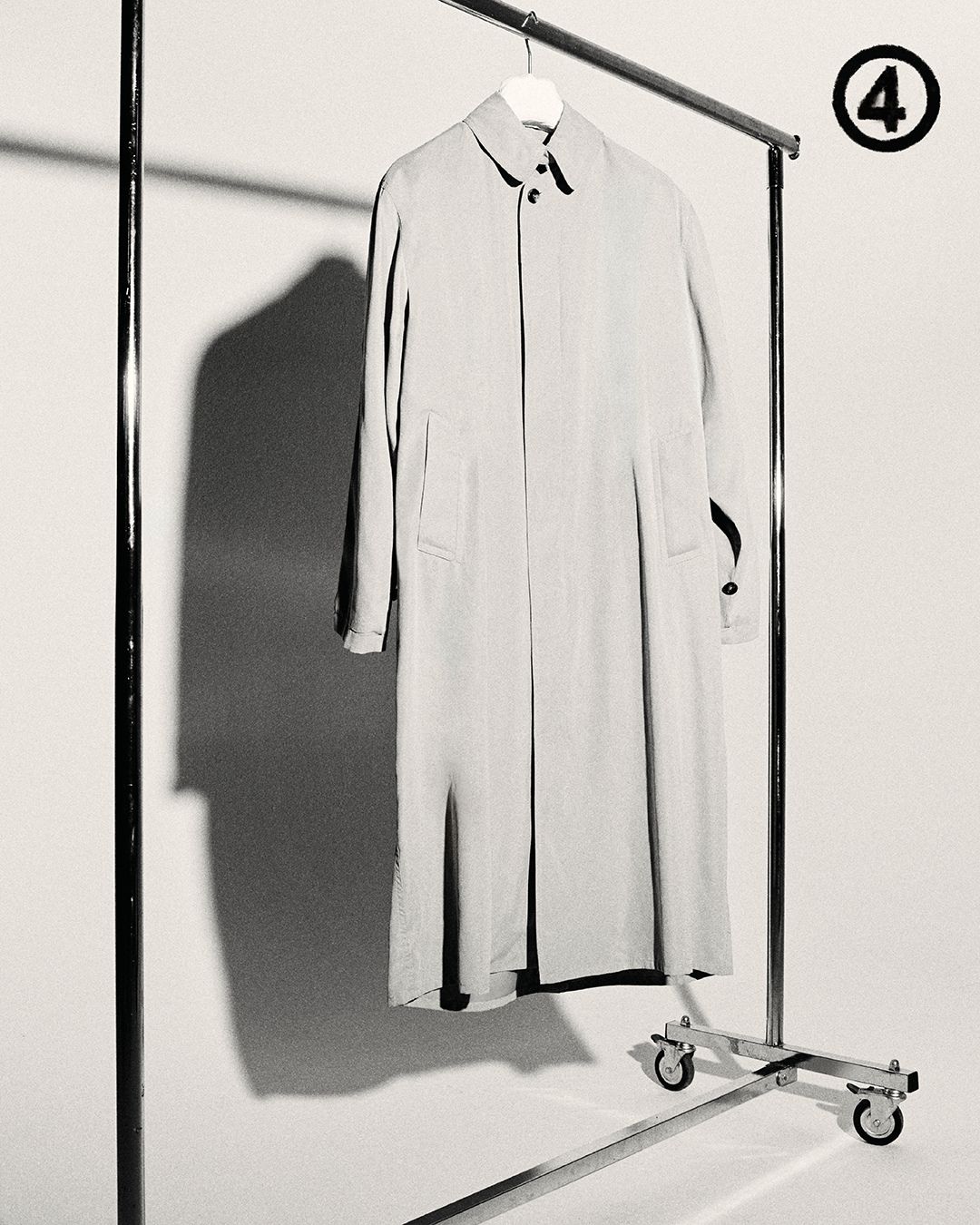
A Wardrobe for Women — December 4
Our interpretation of an essential women’s wardrobe.
Seasonal themes are applied to timeless pieces, with a focus on construction, fit, fabrics, and detail.
Origin: Spring–Summer 2004
Line 6
MM6 — December 6
MM6 translates the codes of Maison Margiela through a contemporary lens.
It redefines uniformity through play and versatility and is recognized by a single horizontal white stitch visible on the outside of the garment.
Origin: 1997
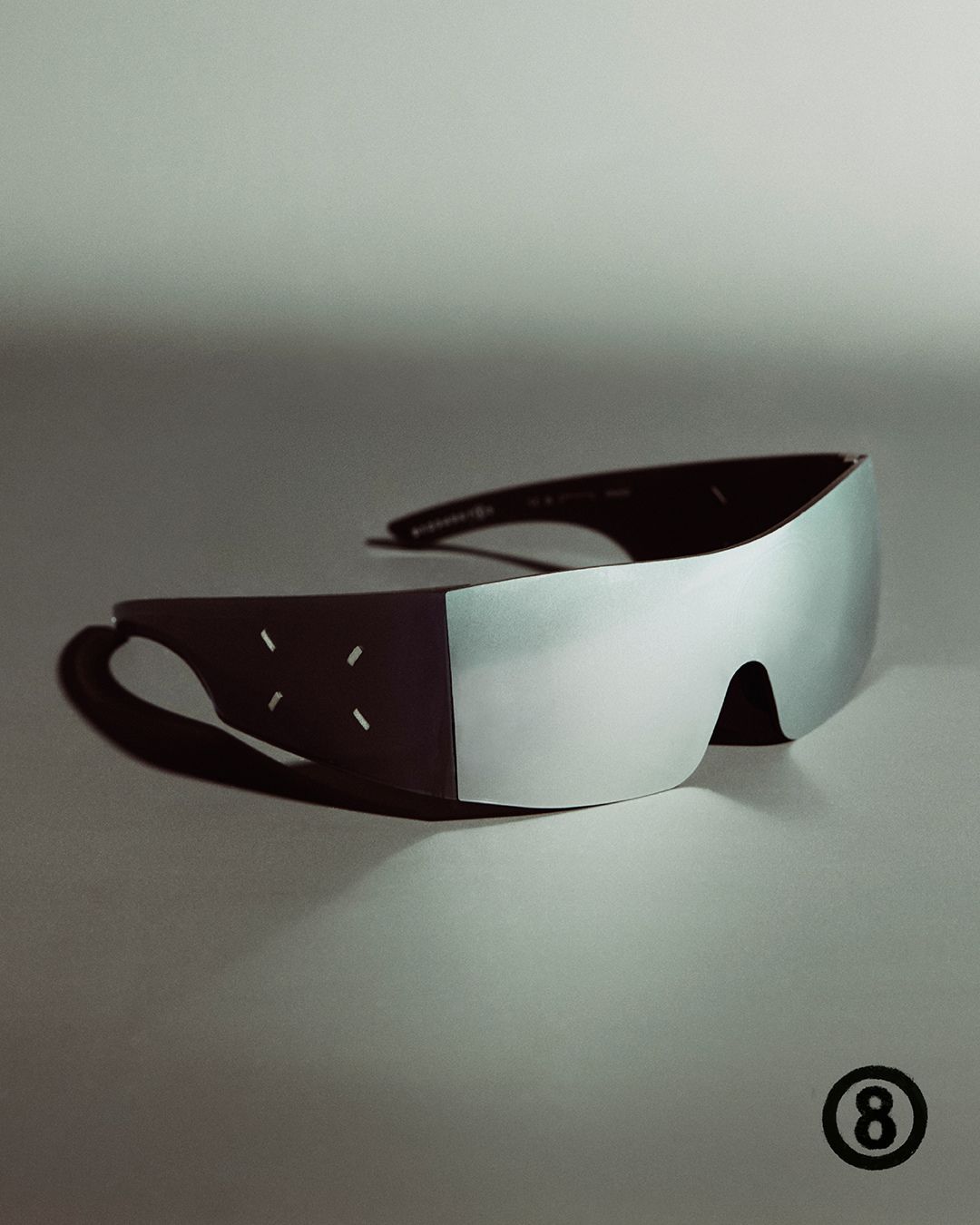
Line 8
Eyewear Collection — December 8
The eyewear collection includes sunglasses and optical frames.
Developed in collaboration with Mykita and currently with Gentle Monster.
Origin: Spring–Summer 2008
Line 10
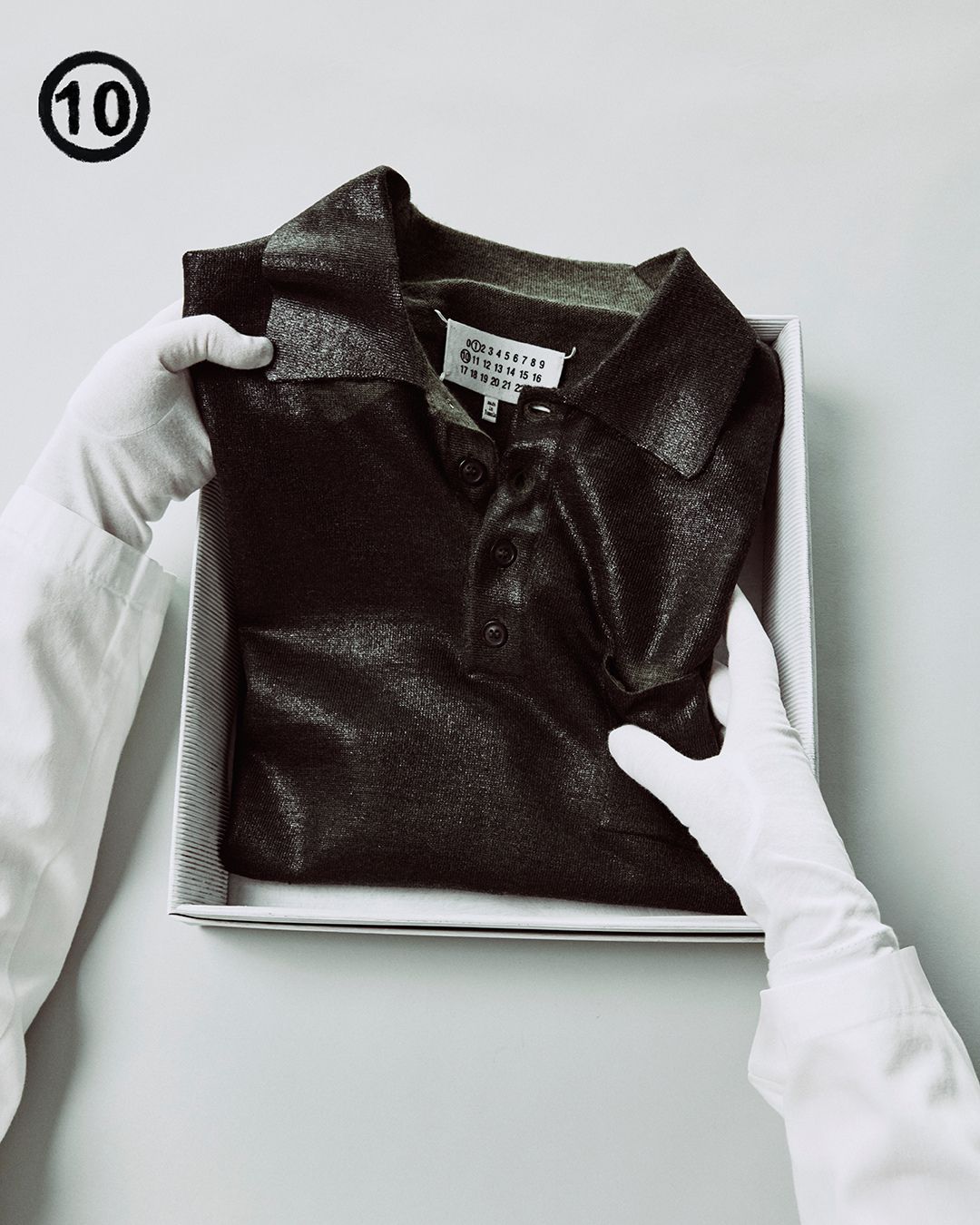
The Men’s Collection — December 10
Avant-garde, creative, and conceptual ready-to-wear for men.
Origin: Spring–Summer 1999
Line 11
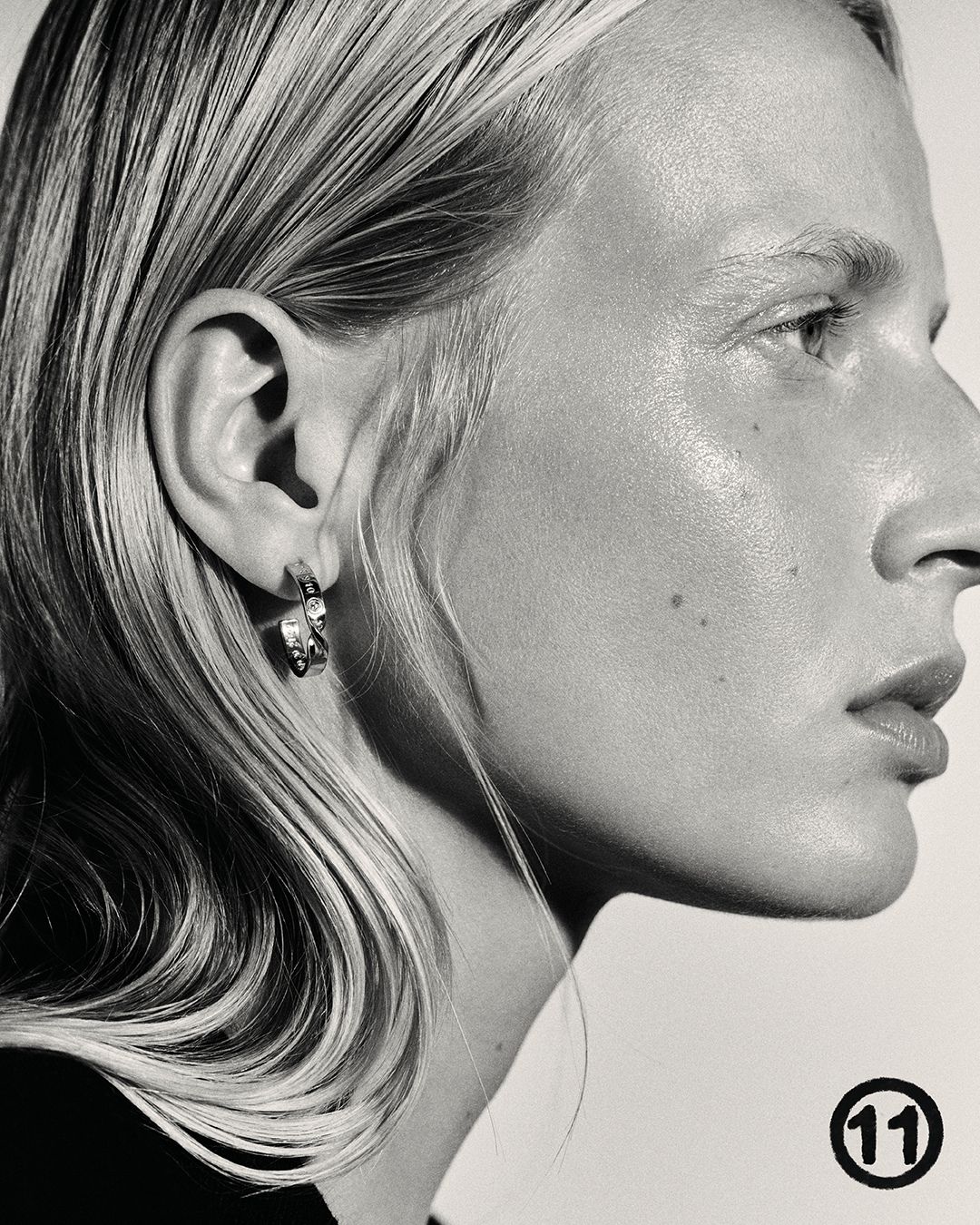
Accessories Collection — December 11
A collection of accessories for women and men that includes all traditional elements: bags, small leather goods, belts, and jewelry.
Origin: 2005
Line 13
Objects and Publications — December 13
Interiors, installations, and decorative design.
Iconic pieces include bottle lamps, dolls, fountain pens, and the Embroidered Cotton Calendar.
Origin: 1999
Line 14
A Wardrobe for Men — December 14
The men’s wardrobe completes the foundation of essentials: refined, sartorial, sophisticated, and technical garments.
Origin: Spring–Summer 2005
Line 22
Footwear Collection — December 22
Footwear for women and men.
Initiated in 1988 with the design of the first Tabi Boot, inspired by traditional Japanese footwear of the same name.
Origin: 2005 (first shoes presented in 1988)