

AI YAZAWA: WHEN FASHION AND ANIME BECOME ONE
Select Ishtar
Ai Yazawa, Vivienne Westwood

Over the years, we've seen how editorial and fashion design jump onto the pages of our favorite classics: Sailor Moon, JoJo’s Bizarre Adventure, among others, have drawn inspiration from poses and outfits to highlight their characters' personalities. But, in the realm of romance and drama, Ai Yazawa channeled her desire to become a fashion designer into her printed works, leaving us a legacy that, to this day, is recognized for its style.
Among Ai Yazawa's treasure trove of stories are Neighborhood Story, Paradise Kiss, and what is probably her Magnum Opus, Nana. In her stories, she addresses the theme of relationships during ages characterized by change, as well as their interaction with their environment, friendships, addictions, and contrasting personalities. Each page offers a unique and intimate perspective, regardless of the age at which you read it, on how romance confronts life's sudden shifts.
However, despite how millions of people enjoy and, above all, suffer when reading her stories, there's an even more remarkable aspect: fashion. In the nineties, the gap between Western and Eastern culture was wide. Any notion of fashion festivals and runway shows was considered difficult to access.
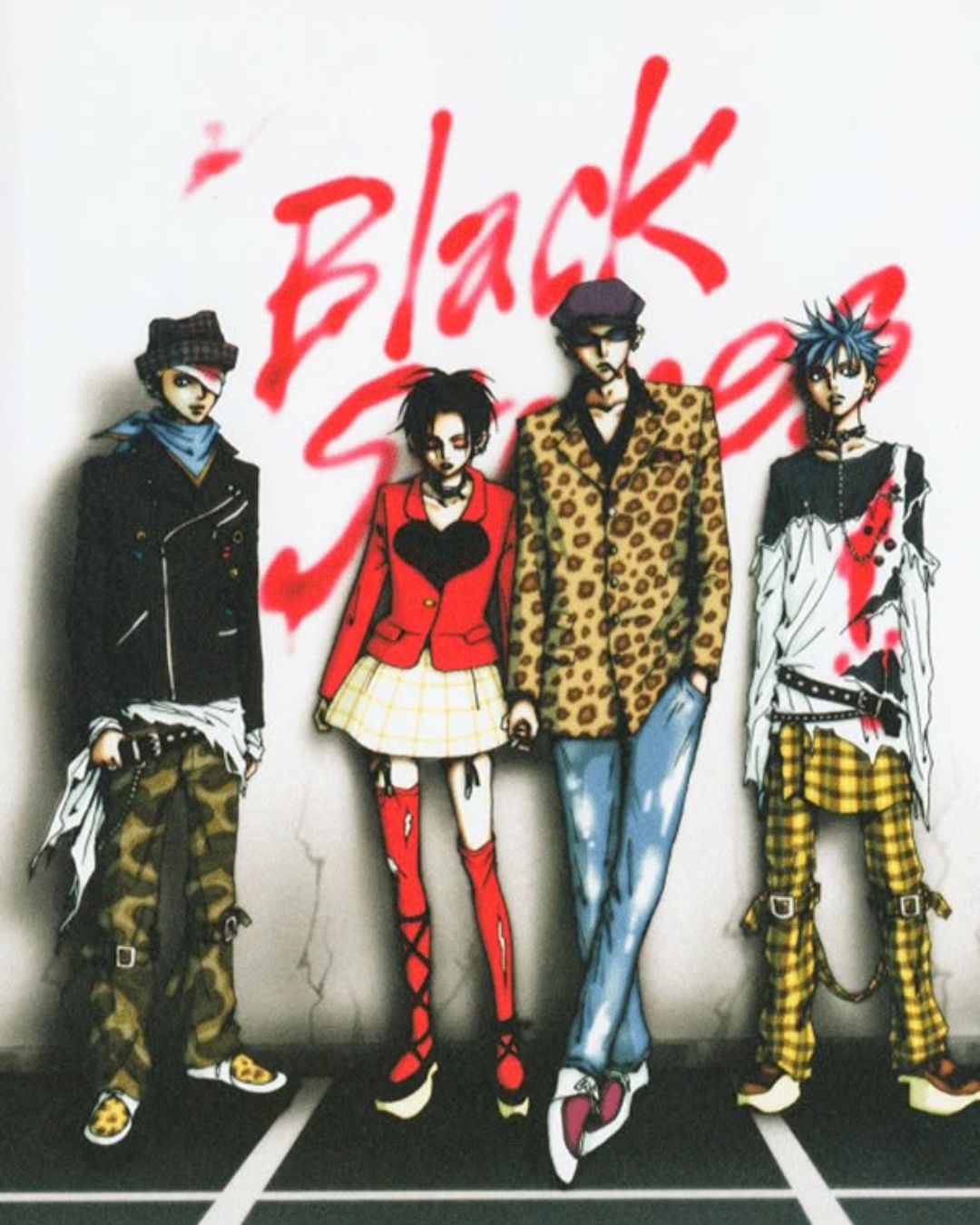
Despite the difficulties, Yazawa used her love for Western fashion (especially Vivienne Westwood) to enrich the already existing Japanese style trends of the era: lolita, retro-cyber, visual-kei, punk, and the then-new French fashion inspired by Chanel. She applied these to every character within her universes. It was customary to use a "stock" outfit to differentiate characters, but she decided that they should dress differently every day, just like in the daily lives of modern society.
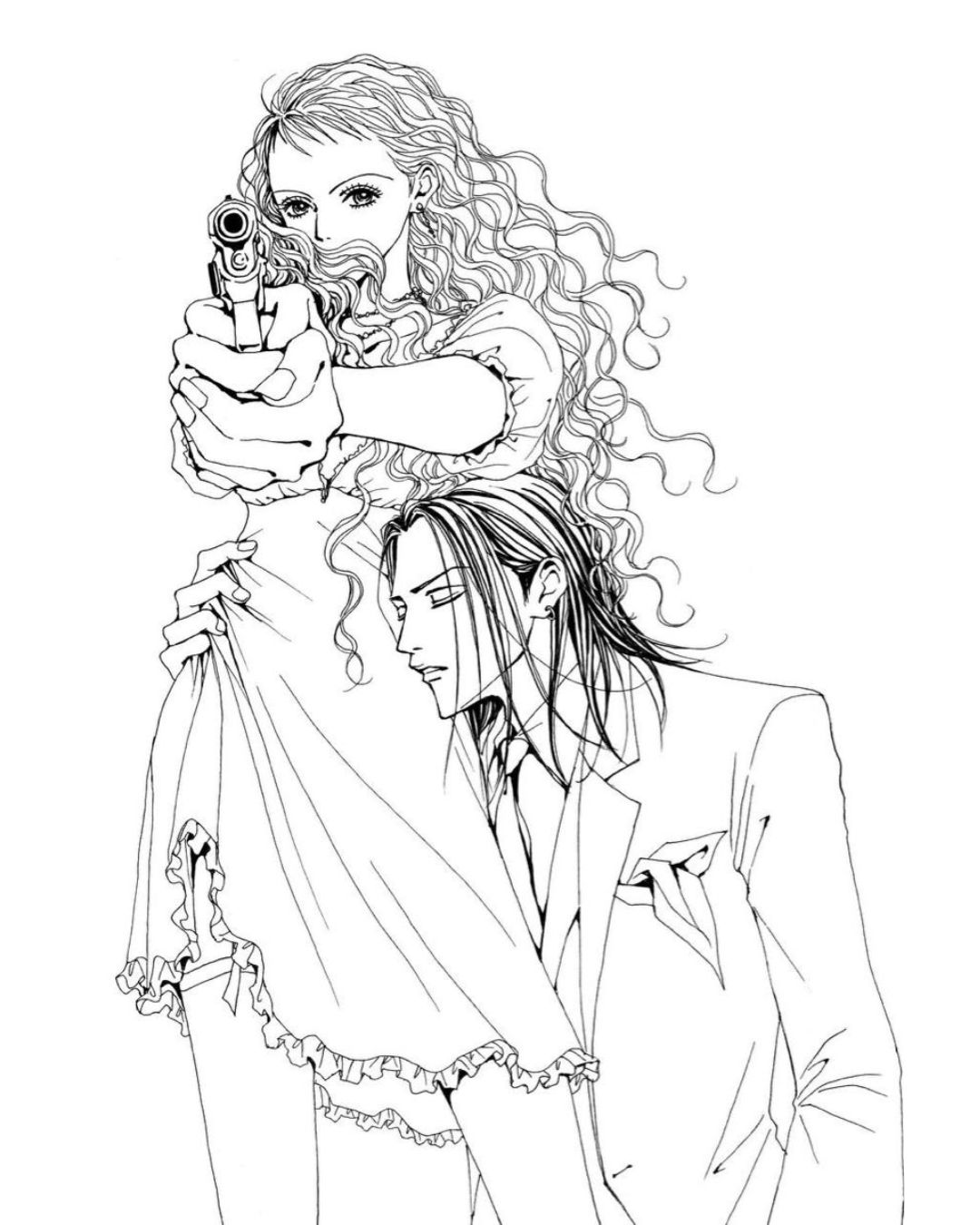
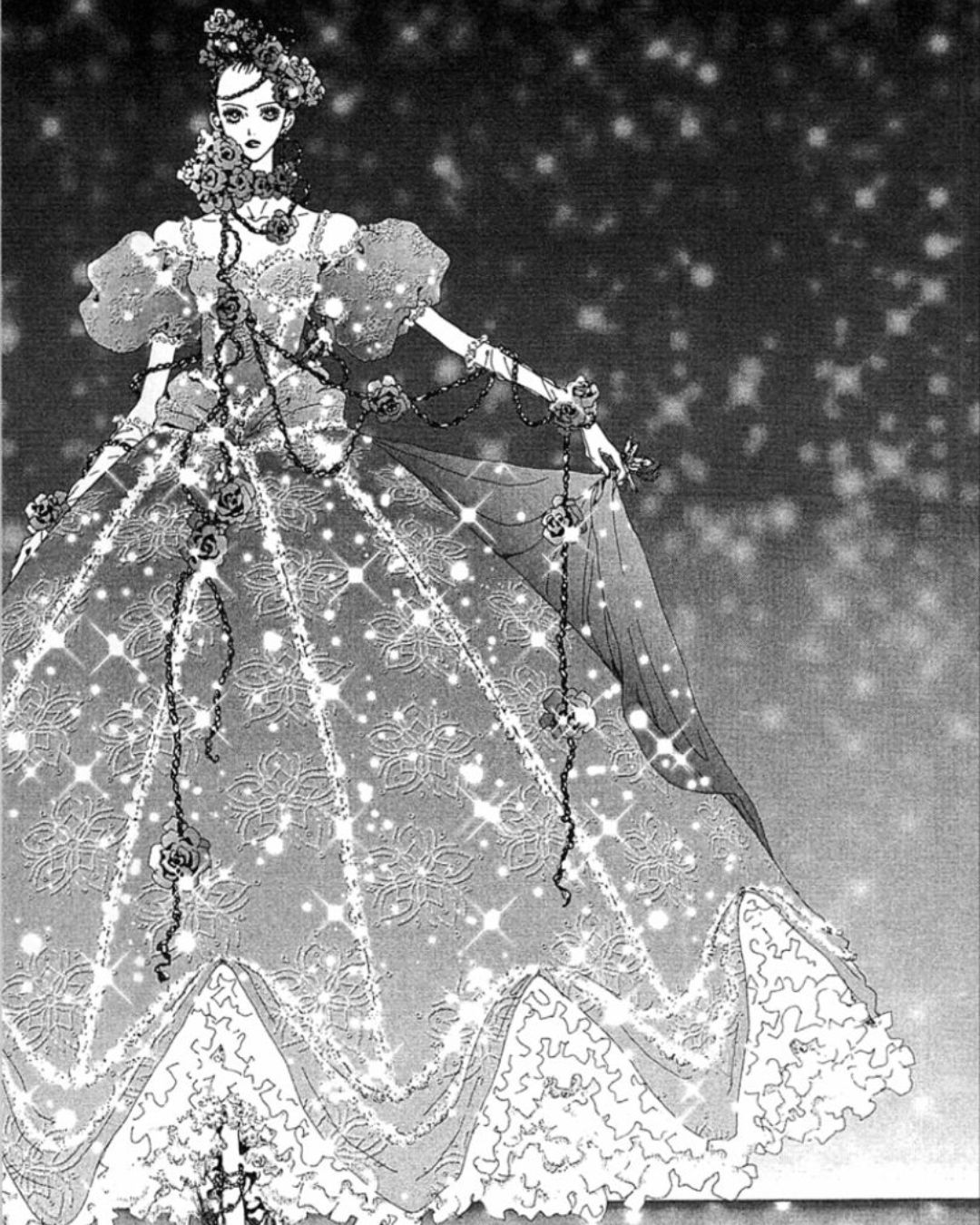
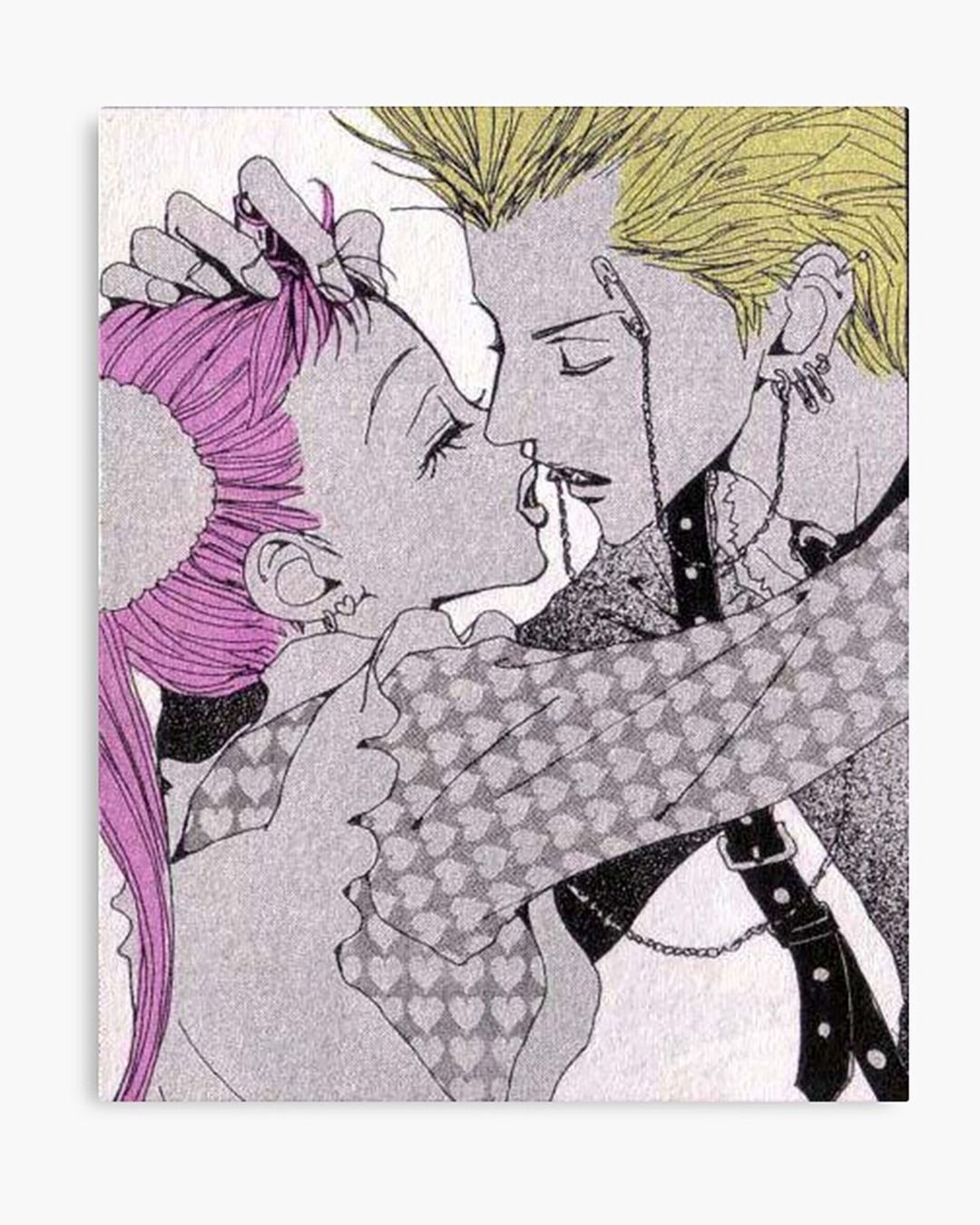
It is with Paradise Kiss that the writer unleashes her most experimental side. This story, which follows a group of designers making their graduation dress around their model, intertwines punk elements with Victorian touches and a styling that, to this day, feels modern. Each character has a clear universe—some romantic, others more edgy and rebellious—where trendy accessories include piercings, chains, and safety pins. The transformation through clothing and how it can represent personality is explored, with specific attention to all details.
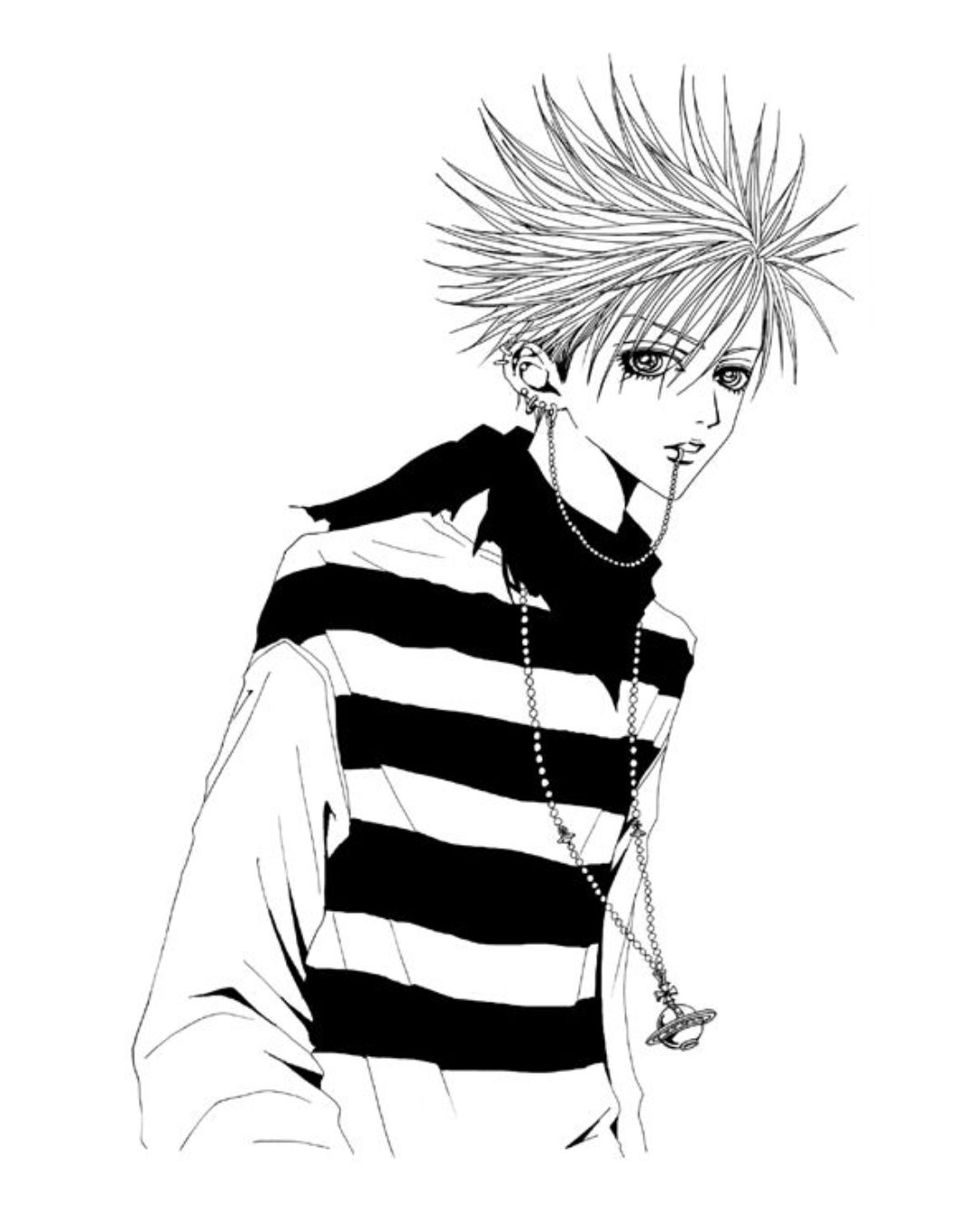
Immersing yourself as a viewer in a story that progresses with clothing is hard to find. In Nana, the protagonists' styles mark a clear difference between them, as well as their bond. The rock band, whose vocalist is one of the protagonists, often uses garments straight from Vivienne Westwood's runways, as well as accessories featuring "The Orb," characteristic of the designer.
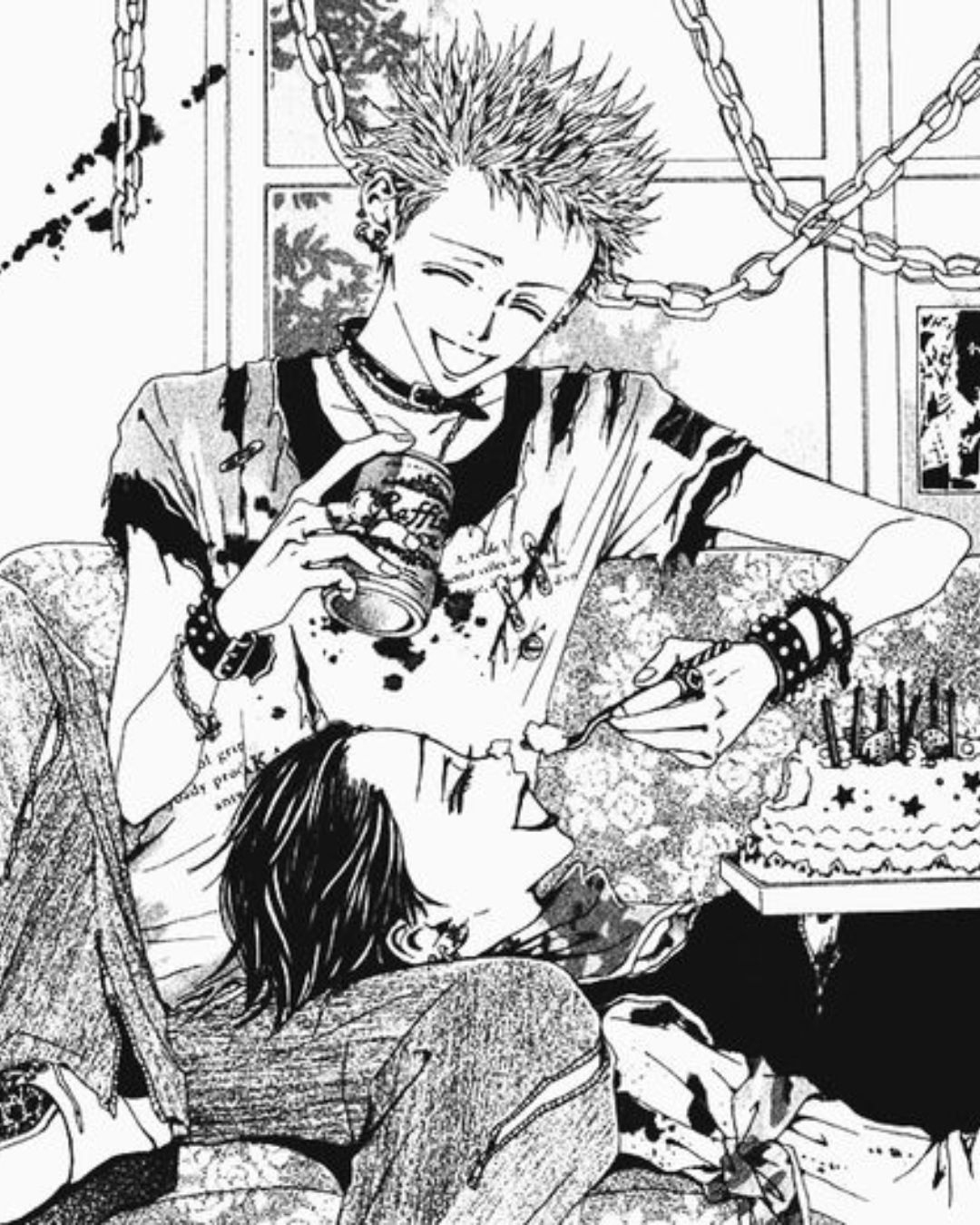
With band T-shirts like Sex Pistols, Ai Yazawa styles each protagonist's outfit with elements of punk from the era: leopard prints, skinny pants, chains connecting lips to earrings, and even if a character wears a tailored suit, she pairs it with glasses, a buzz-cut, and, of course, Black Stone Cherry cigarettes.
The attention to detail, the play of prints, as well as the juxtaposition of loose, fit, and skinny garments marked the differences within the same punk style. To talk about how Ai references Vivienne Westwood is to talk about perfect styling and the correct way to do layering with an unmissable focal point. It's about involving all the elements that coexist in our existence: nail polish, hairstyle, our addictions, and aspirations in the form of a fashion sketch.
It is for this and more that, despite the twenty-year hiatus we've had to endure from Nana, the story remains fresh in our minds. Now, with the internet and its ease of access to these printed works, more people are following her stylings and dressing rules to create challenging and unique outfits, and we hope this trend remains alive until the end of time.
If you're a fan of manga, anime, and enjoy exploring how personal style can say a lot about your story and what you love, I recommend delving into the world of Ai Yazawa. You'll find many tears, even more tears, laughter, and a whole lot of style.