HOW ALEXANDER MCQUEEN'S "JOAN" REVOLUTIONIZED THE FASHION INDUSTRY
Select Ishtar

Alexander McQueen

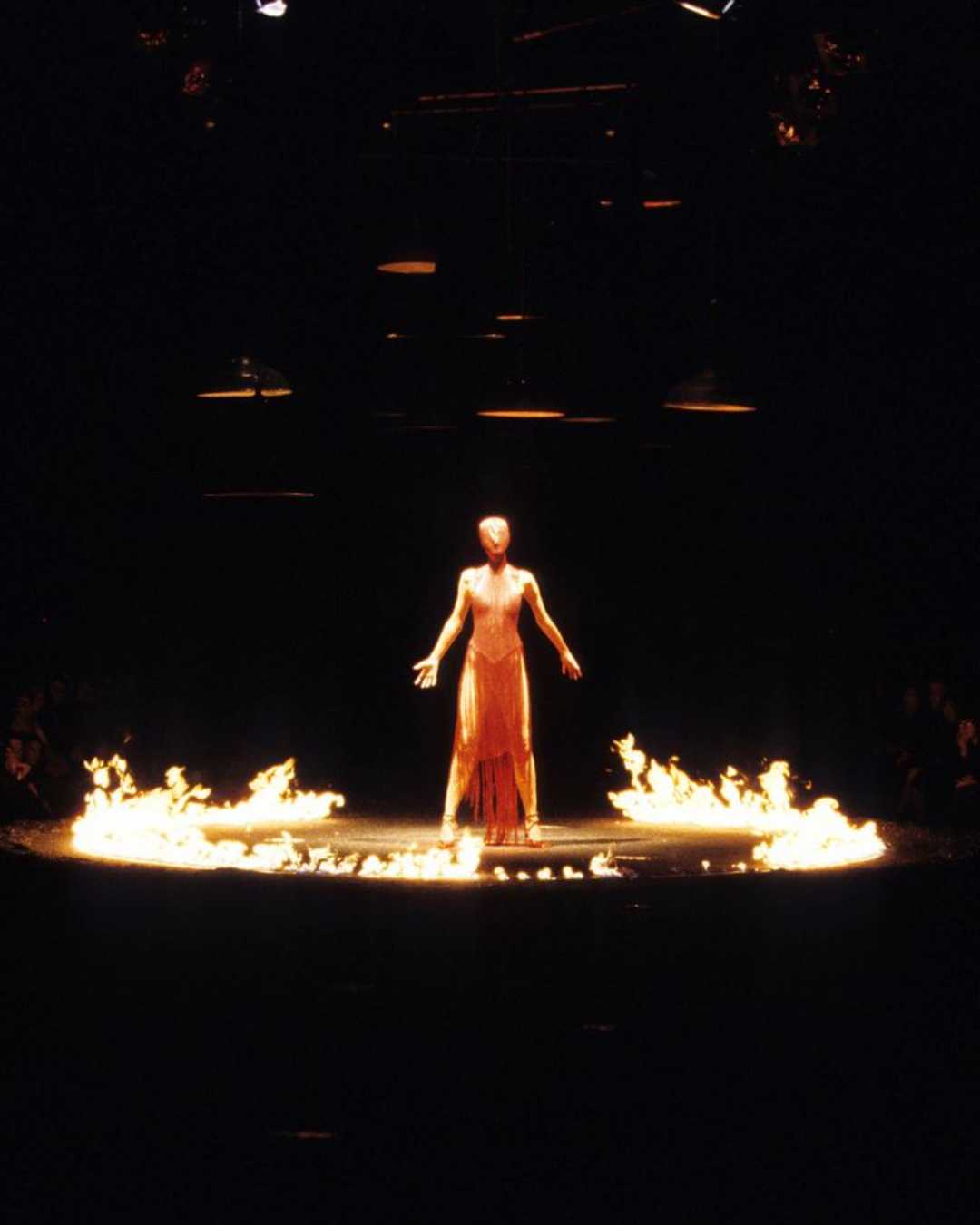
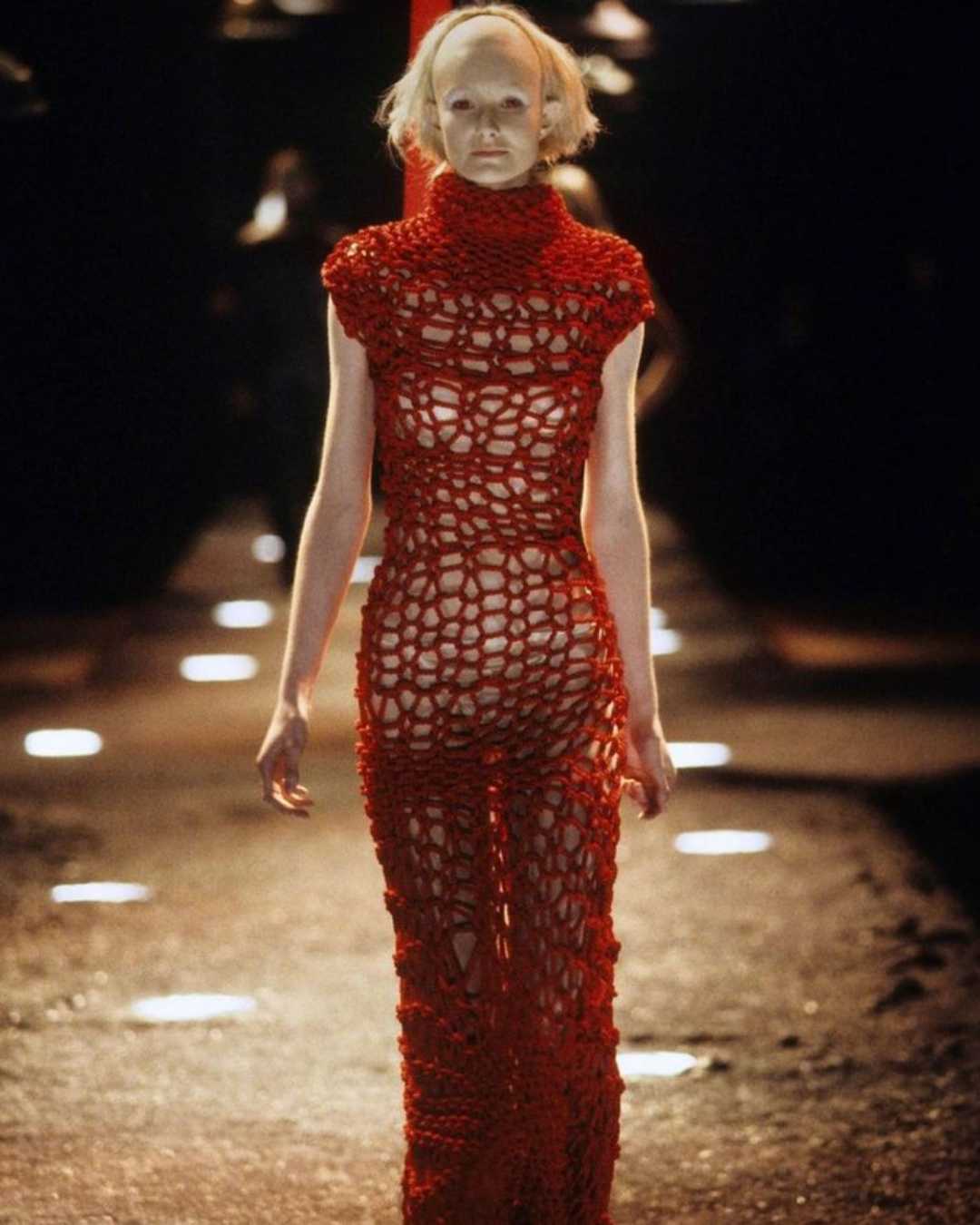
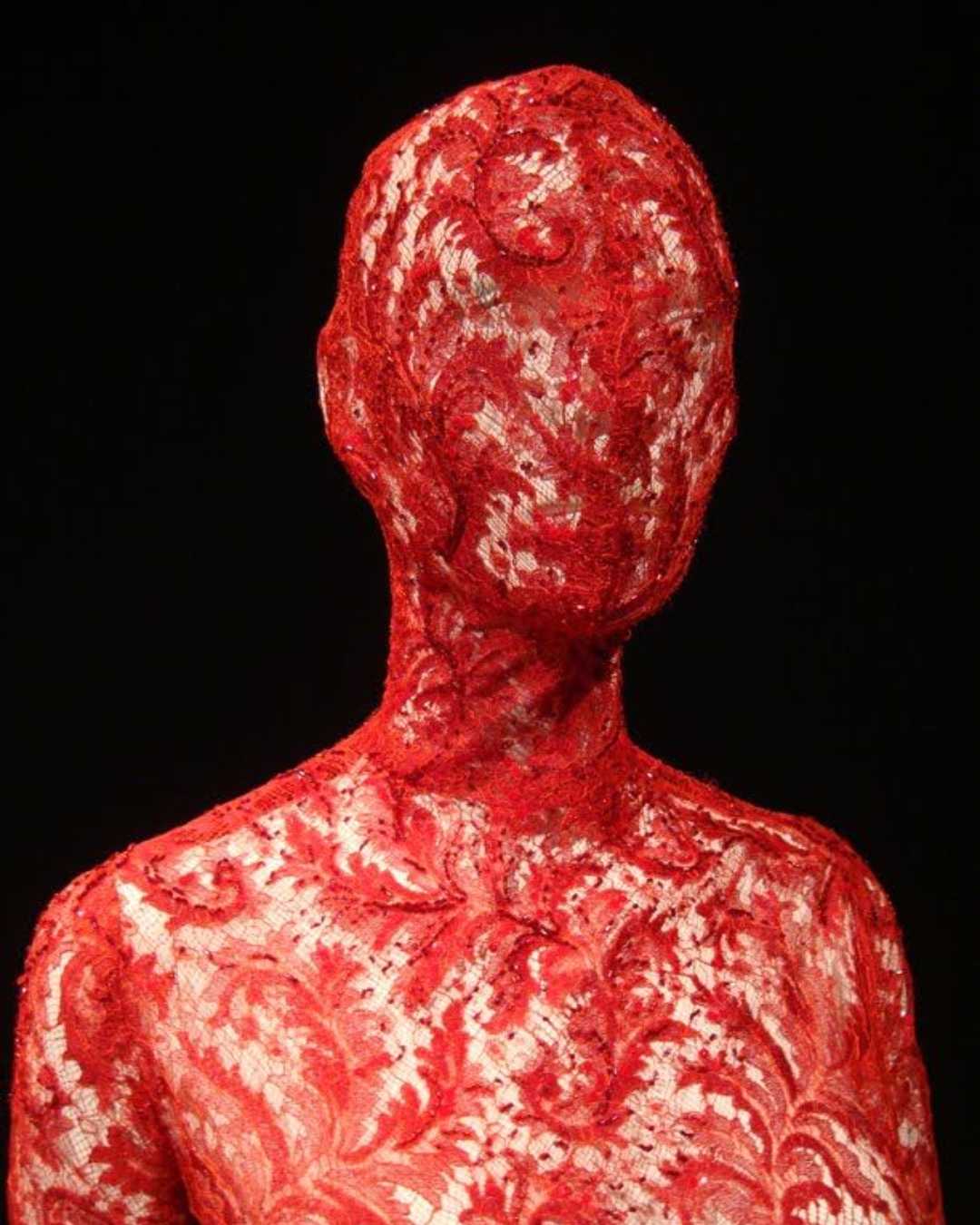
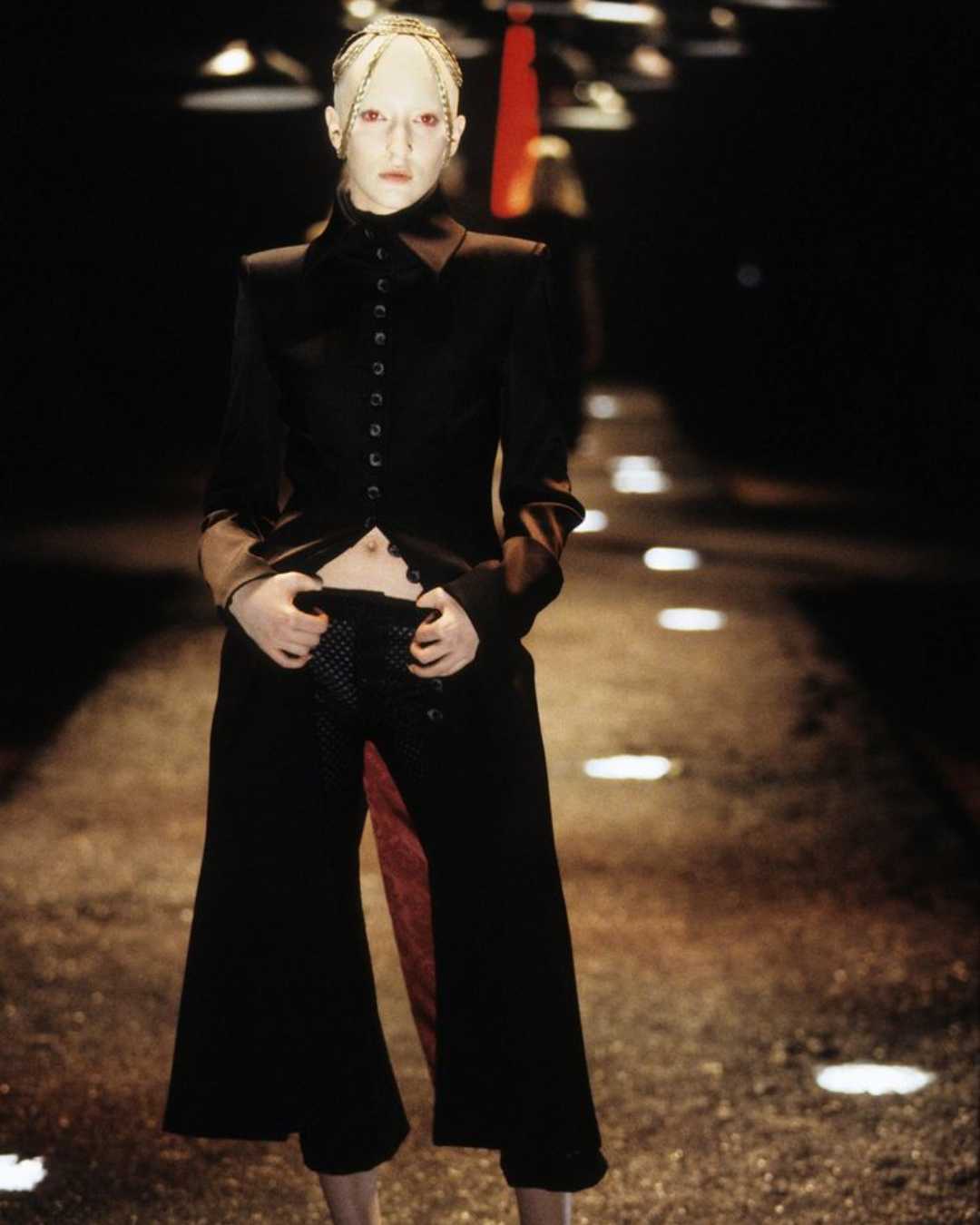
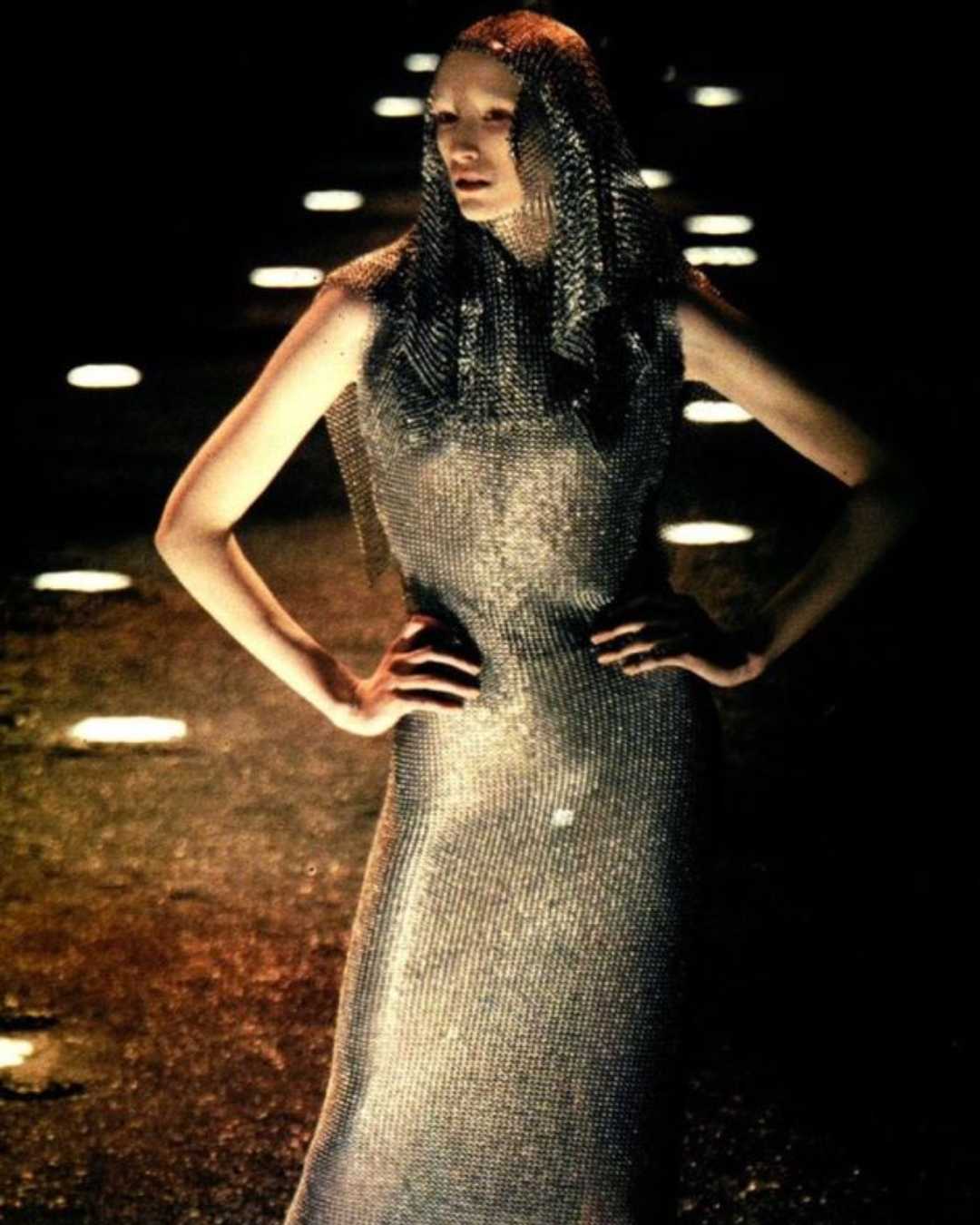
There was a moment in history that etched itself into the minds, books, and fabric of fashion. It was 1998 when a young Alexander McQueen presented a fusion of religion and violence in an industrial setting, portraying Joan of Arc in shades of red, black, and silver. The collection, of course, generated controversy in the editorial world despite the designer's history of drawing inspiration from historical moments. At the same time, it was praised for its perfect balance between accurate historical representation and avoiding the exaggerations often seen in medieval-inspired clothing. The construction and technique showcased on the runway not only demonstrated McQueen's already renowned mastery but also offered versatility. Garments that at first glance seemed unwearable were, in fact, commercial, consisting of delicate pieces with fabrics like lace, tartan, denim, leather, and sublimated prints depicting Victorian children. The styling was inspired by a sculpture McQueen saw on his way to Givenchy. He noticed an androgynous touch in this sculpture of Joan of Arc and sought to bring it to the runway with shaved heads and loose blonde wigs. The makeup featured a pale face with contact lenses and red lipstick, giving it a futuristic feel. "It's like Joan of Arc was abducted by aliens," McQueen said. The most striking aspect of the presentation was McQueen's characteristic performativity, which depicted Joan of Arc's life and tragic end at the stake from start to finish. Model Erin O'Connor disappeared into a horde of fire, and while McQueen never fully explained the ending in words, it could have symbolized rebirth. The presence of performativity and Joan of Arc's aesthetic continues to trend today in the works of designers like Robert Wun and Christian Dior and has influenced award ceremonies featuring artists such as Lady Gaga. Long live the fusion of fashion and performance!